Ultimate Bali Travel Guide 2026
Everything you need to know about visiting Bali — when to go, where to stay, what to see, and how to get around. Written by a certified local guide.
In This Guide
- When to Visit Bali
- Where to Stay
- Ubud — For Culture and Nature Lovers
- Seminyak — For Beach and Nightlife
- Canggu — For Surfers and Digital Nomads
- Uluwatu — For Dramatic Scenery
- Sidemen — For Off-the-Beaten-Path Peace
- Amed — For Diving and Snorkeling
- Must-See Destinations
- Getting Around
- What to Eat
- Bali Temple Etiquette
- Budget Planning
- How Long to Stay
- Why Book with a Local Guide
- FAQ
- Is Bali worth visiting in 2026?
- How many days do you need in Bali?
- Is Bali safe for tourists?
- What is the best month to visit Bali?
- How much does a Bali trip cost?
- Do I need a visa for Bali?
- Related Guides
Bali is more than a destination — it is an experience that stays with you long after you leave. From the terraced rice paddies of the central highlands to the dramatic sea cliffs of the south, every corner of this island offers something unique.
As a certified local guide who has lived in Bali for over a decade, I have helped hundreds of travelers discover the island's hidden gems. This comprehensive guide shares everything you need to know to plan your perfect Bali trip. If this is your first visit, you may also want to read our dedicated Bali travel guide for first timers for even more practical tips.
Quick answer: The best time to visit Bali is April through October (dry season). Budget $50–200 per day depending on travel style. Most visitors need 7–10 days for a complete experience. Hire a private driver ($40–60/day) rather than renting a scooter. Stay in Ubud for culture, Canggu for surf vibes, Seminyak for dining, or Uluwatu for cliffs and beaches. Bali is one of the safest destinations in Southeast Asia for tourists.
When to Visit Bali
The dry season (April to October) offers the best weather for outdoor activities, with clear skies and comfortable temperatures averaging 27°C. The wet season (November to March) brings afternoon showers but also lush green landscapes, fewer tourists, and lower prices.
Best months overall: May, June, and September give you dry weather without the peak-season crowds and inflated prices of July and August. Shoulder months like April and October are also excellent — you get mostly dry days with the occasional short rain that clears quickly.
If you plan to do a Mount Batur sunrise trek (one of Bali's most iconic experiences), the dry season offers the clearest views. Even the wet season has its charm — read our Bali rainy season guide for what to expect and how to make the most of off-peak travel. For those interested in Balinese ceremonies, March is special because of Nyepi (Day of Silence) and the spectacular Ogoh-Ogoh parades the night before.
Where to Stay
Choosing where to base yourself in Bali depends on what kind of experience you want. Here is an honest breakdown of each area.
Ubud — For Culture and Nature Lovers
Ubud is the cultural heart of Bali, surrounded by rice terraces, art galleries, and ancient temples. It is ideal for yoga retreats, temple visits, and jungle walks along the Campuhan Ridge. The town has transformed over the past decade with excellent restaurants and boutique hotels, but the surrounding villages still feel authentically Balinese. Read our full guide to things to do in Ubud for a detailed itinerary.
Seminyak — For Beach and Nightlife
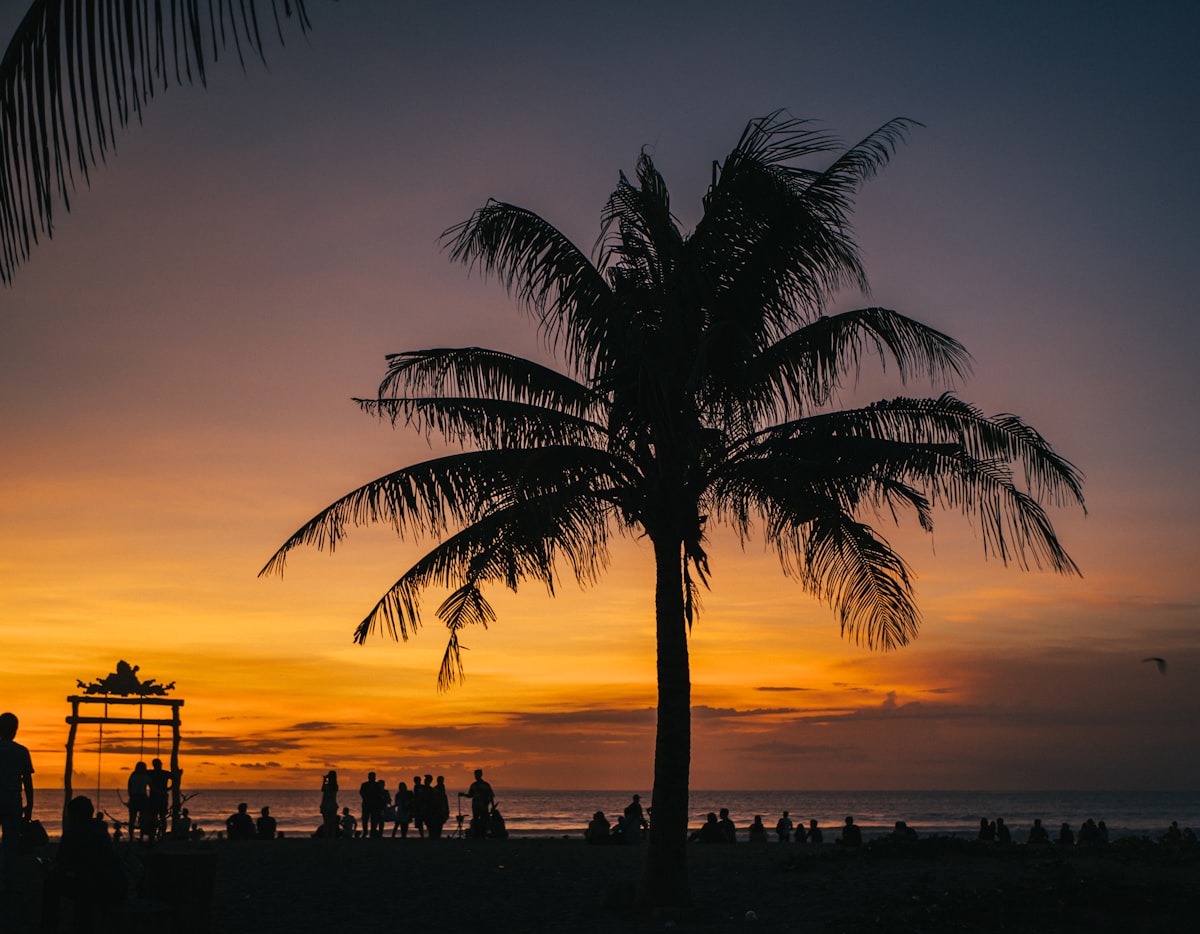
Seminyak is Bali's most cosmopolitan area — upscale beach clubs, fine dining, and boutique shopping line the main streets. The sunsets from Double Six Beach are legendary. It is the best base if you enjoy a lively social scene and want easy access to nightlife without the backpacker vibe of Kuta.
Canggu — For Surfers and Digital Nomads
Canggu has evolved from a quiet surf village into one of Bali's most popular neighborhoods. Trendy cafes, co-working spaces, great surf breaks, and a laid-back atmosphere make it the go-to spot for digital nomads and younger travelers. The vibe sits perfectly between Ubud's calm and Seminyak's energy.
Uluwatu — For Dramatic Scenery
Uluwatu sits on Bali's southern tip, known for its clifftop temples, world-class surf breaks, and hidden beaches reached by steep staircases carved into limestone. It feels less crowded than the central areas and offers some of the most dramatic ocean views on the island. The Kecak fire dance at Uluwatu Temple during sunset is an experience you should not miss.
Sidemen — For Off-the-Beaten-Path Peace
Sidemen is where Bali felt twenty years ago — terraced rice fields stretching to the horizon, Mount Agung towering above, and barely a tourist in sight. It is perfect for travelers who want to slow down, try a cooking class with a local family, and wake up to absolute silence.
Amed — For Diving and Snorkeling
Amed on Bali's northeast coast is the island's best base for underwater exploration. The Japanese shipwreck at Tulamben is a world-class dive site, and the coral gardens along the coast are excellent for snorkeling right off the beach. Amed also offers stunning sunrise views over the Lombok Strait.
Must-See Destinations
Bali is small enough to see multiple areas in a single trip but varied enough that each destination feels like a different island.
- Tegallalang Rice Terraces — The iconic stepped paddies near Ubud that have been farmed using the traditional Balinese subak irrigation system for centuries.
- Uluwatu Temple — A cliff-edge temple with dramatic ocean views and the famous sunset Kecak dance performance.
- Nusa Penida — A wild island off Bali's southeast coast with the famous Kelingking Beach, crystal-clear waters, and manta ray snorkeling. It is a full day trip — leave early and expect bumpy roads.
- Munduk — The cool northern highlands with hidden waterfalls, coffee and clove plantations, and mountain lake views. Our guide to the best Bali waterfalls covers the top ones to visit.
- Tirta Empul — A sacred spring temple where Balinese Hindus come for purification rituals. Visitors are welcome to participate — our temple and culture experiences include a guided purification ceremony.
- Mount Batur — A sunrise trek overlooking a volcanic caldera and lake. The hike takes about two hours and rewards you with one of Bali's most memorable views.
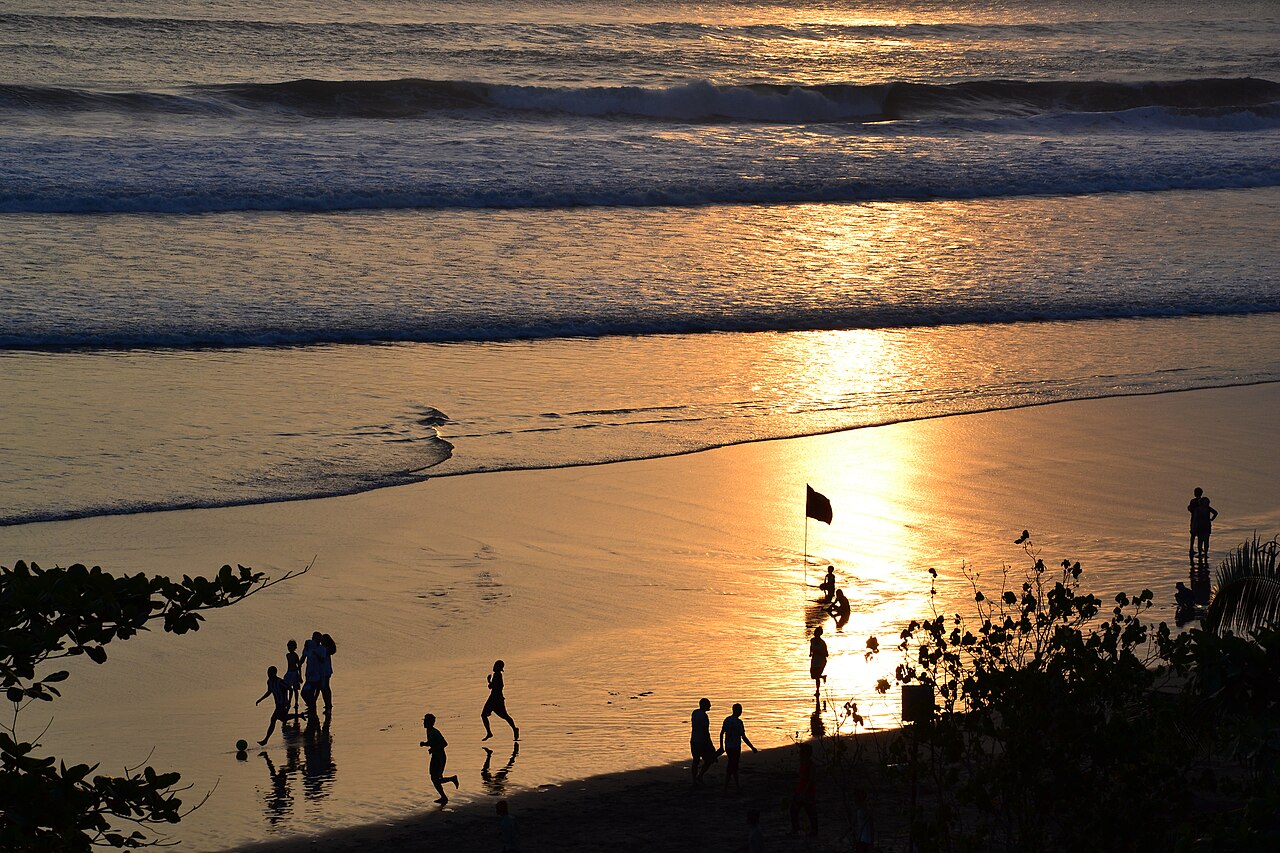
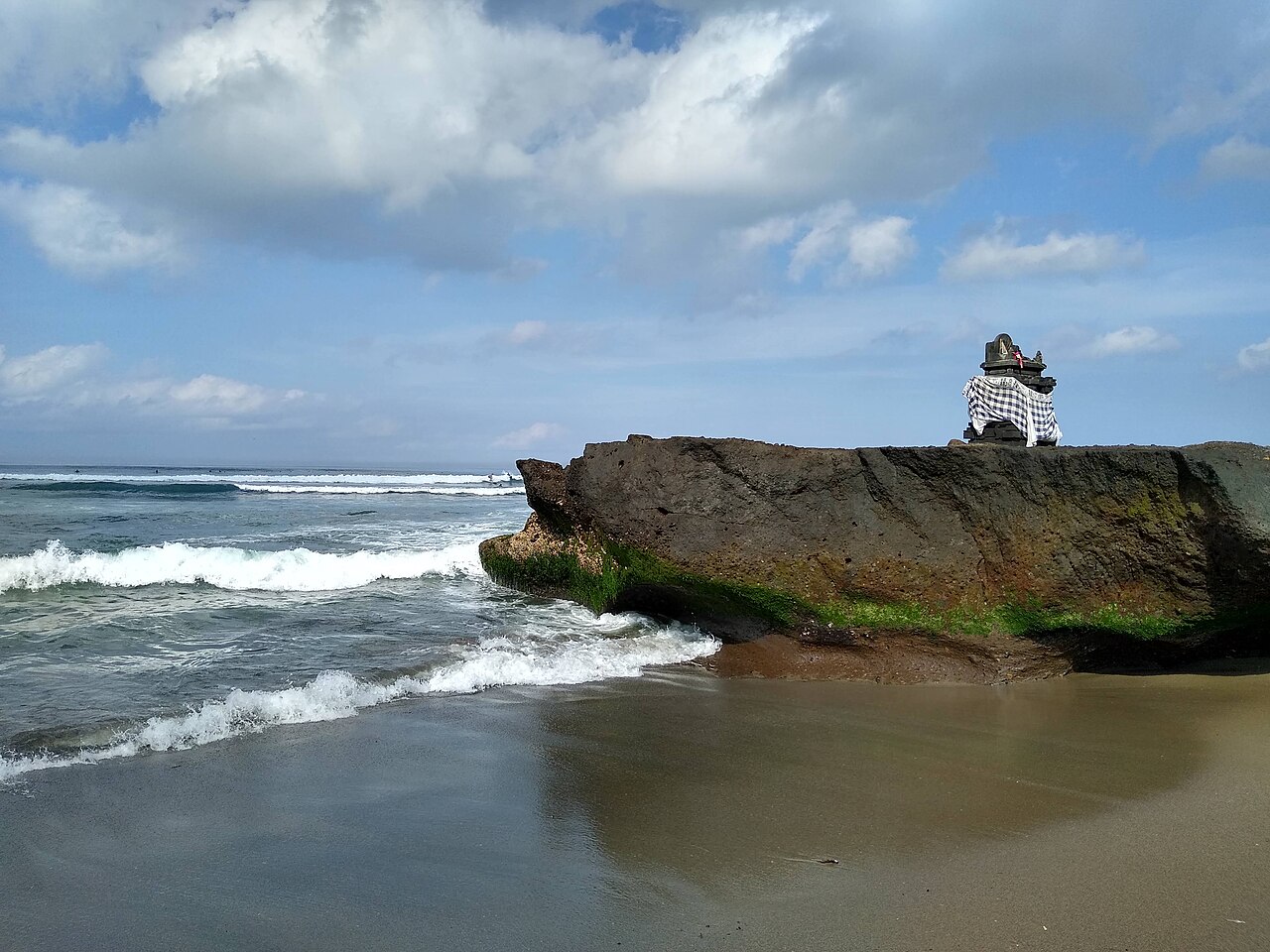
For beach lovers, Bali's coastline offers everything from white sand to dramatic black volcanic shores. Our guide to the best beaches in Bali covers the top spots for swimming, surfing, and sunbathing across the island.
Getting Around
Bali does not have reliable public transport. Getting around requires some planning, and your choice depends on your comfort level and budget.
Private driver — This is the most comfortable and efficient way to explore Bali. Our drivers are locals who know every shortcut, hidden spot, and the best time to visit each attraction to avoid crowds. A full-day driver costs between $40 and $60 and saves you hours of navigating unfamiliar roads. Read our complete Bali private driver guide to understand what to expect.
Scooter rental — Great for short distances if you are an experienced rider. Rental costs around 70,000 IDR per day ($4.50). Not recommended for beginners — Bali traffic is chaotic, roads are narrow, and accidents involving tourists on scooters happen daily.
Want us to plan this trip for you?
Our certified guide will create a personalized itinerary based on your interests, pace, and travel style.
Get Your Free ItineraryRide-hailing apps — Grab and Gojek work in most urban areas but may not serve remote locations like Munduk or Sidemen. They are also restricted from picking up at certain tourist sites and airports due to local driver regulations.
What to Eat
Balinese cuisine is one of the highlights of any trip. The flavors are bold — turmeric, lemongrass, galangal, and fresh chili appear in nearly every dish.
Start with nasi campur (mixed rice) at any local warung for 15,000-35,000 IDR. Try babi guling (roast suckling pig) in Ubud or Gianyar — the best stalls sell out by noon. Sate lilit (Balinese minced satay wrapped around lemongrass) is unique to the island and available everywhere from street carts to fine restaurants.
For a deep dive into the food scene, read our Bali street food guide and the comprehensive Bali food guide that covers everything from warungs to upscale dining.
Bali Temple Etiquette
Temples are central to Balinese life — there are over 20,000 on the island. As a visitor, respecting temple customs is essential.
Always wear a sarong when entering a temple (most provide rentals at the entrance). Remove shoes before stepping onto sacred ground. Women who are menstruating are traditionally asked not to enter temples. Never climb on temple structures or sit higher than a priest during ceremonies.
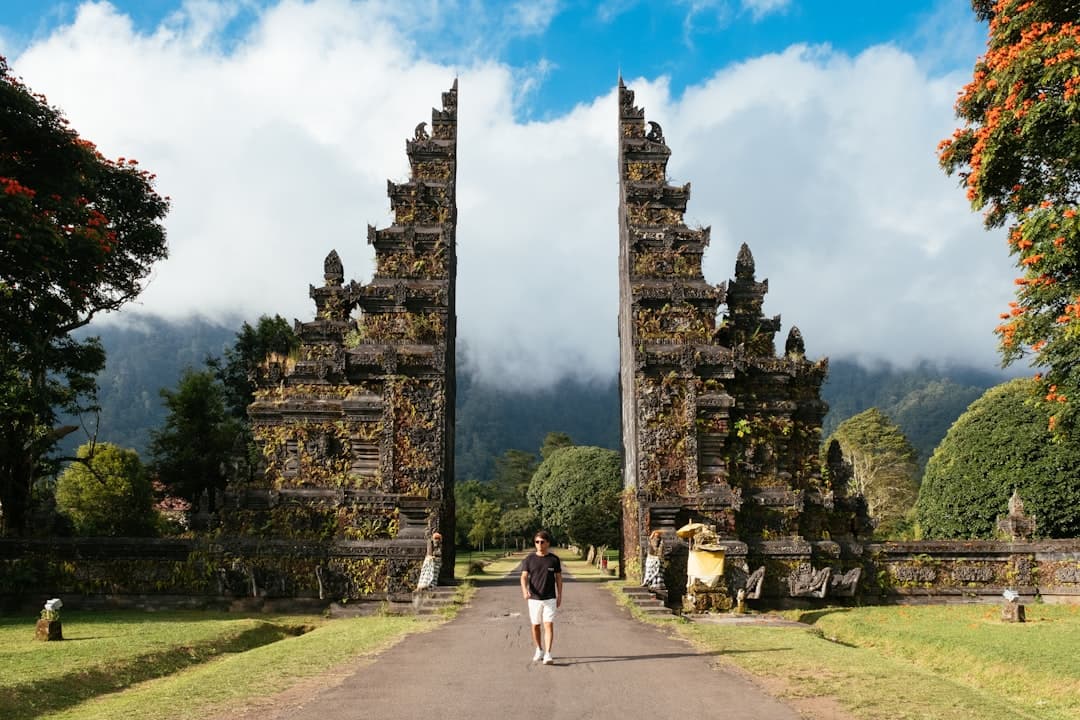
Offerings (canang sari) — the small woven baskets of flowers, rice, and incense you see on sidewalks and doorsteps — are sacred. Step over them, never on them. Our Bali temples guide covers the most important temples and the best times to visit each one.
Budget Planning
Bali can accommodate every budget, from backpacker to luxury.
Budget ($30-50/day): Guesthouses, local warung food, scooter rental, and free beaches. You can live well in Bali on very little if you eat where locals eat and avoid tourist-priced activities.
Mid-range ($100-200/day): Boutique hotels, a mix of local and international dining, a private driver for day trips, and one or two organized activities per day.
Luxury ($300+/day): Five-star resorts, fine dining, private guided experiences, and spa treatments. Bali's luxury scene is world-class at a fraction of what you would pay in Europe or the Maldives.
Use our Bali Cost Calculator to estimate your total trip budget based on your travel style and duration.
How Long to Stay
A week gives you a solid introduction to Bali. Our 7-day Bali itinerary covers the highlights without rushing. If you have more time, our 10-day Bali itinerary adds the northern highlands, Nusa Penida, and time to simply relax.
For honeymooners, Bali is one of the most romantic destinations in the world. Our Bali honeymoon guide and romantic getaway experiences will help you plan the perfect trip as a couple. Traveling with family? Our Bali with kids guide covers the best activities and logistics for all ages. Going solo? Check our solo travel guide for tips on safety, meeting people, and the best areas to base yourself.
Not sure where to start? Try our Bali Trip Planner — answer a few questions and get a personalized itinerary recommendation.
Why Book with a Local Guide
Having a local guide transforms your Bali experience from a tourist itinerary into a genuine cultural journey. We know which temples have ceremonies on which days, which warungs the locals eat at, and which viewpoints have no crowds at sunrise.
As a certified French and Mandarin-speaking guide, I work with travelers from around the world. Whether you need a custom itinerary built around your interests, a guided tour of Bali's highlights, or a full family adventure designed for all ages, we will make sure your trip goes beyond the guidebook.
Ready to plan your Bali trip? Contact us for a personalized itinerary designed around your interests and travel style.
FAQ
Is Bali worth visiting in 2026?
Absolutely. Bali welcomed over 6.9 million international visitors in 2025 — a record year — and 2026 is on track to surpass that. The island offers a unique combination of Hindu culture, world-class beaches, affordable luxury, and natural beauty that few destinations can match. Infrastructure continues to improve while prices remain significantly lower than comparable destinations. If you are weighing options, our Bali vs Thailand comparison breaks down the differences honestly.
How many days do you need in Bali?
A minimum of 7 days gives you time to experience Ubud, the southern beaches, and a day trip to the Nusa islands. For a more complete experience, 10–14 days allows you to explore the northern highlands, eastern coast, and build in relaxation time. See our 7-day itinerary and 10-day itinerary for detailed plans.
Is Bali safe for tourists?
Yes. Bali is one of the safest destinations in Southeast Asia. Violent crime against tourists is extremely rare. The main risks are traffic accidents (use a private driver rather than renting a scooter), petty theft, and common tourist scams. Read our full safety guide for detailed advice.
What is the best month to visit Bali?
The best months are May and September — dry season weather with moderate crowds and reasonable prices. The dry season runs April through October. July and August have the best weather but also the highest prices and biggest crowds. Even the wet season (November–March) has its advantages with lower prices and dramatic green landscapes. See our month-by-month guide.
How much does a Bali trip cost?
Budget travelers spend $30–50/day, mid-range travelers $100–200/day, and luxury travelers $300+/day. A comfortable two-week trip for two costs approximately $3,000–5,000 including accommodation, food, activities, and private transport (excluding flights). Bali offers exceptional value at every price point. Details in our Bali trip cost breakdown.
Do I need a visa for Bali?
Most nationalities can get a Visa on Arrival (VOA) at the airport for 500,000 IDR (~$32). It is valid for 30 days and extendable once for another 30 days. You can also apply online for an e-VOA before departure. Digital nomads can apply for a B211A visa for stays up to 180 days. Visa requirements change periodically — full details and the latest 2026 updates in our visa guide.
Related Guides
<!-- internal-link-sweep:2026-04-29 -->
Certified Travel Guide & Co-Founder
A certified Bali guide credentialed by the Indonesian Ministry of Tourism, fluent in French, Mandarin, English, and Indonesian. Part of a family of certified guides who have been guiding travelers across Bali for many years — sharing temples, rice terraces, and hidden corners that never make the brochures.
Languages: French · Mandarin · English · Indonesian
Ready to discover Bali?
Tell us about your dream trip and our local experts will craft a personalized experience just for you.
Start Planning