Bali vs Thailand — An Honest Comparison From Someone Who Knows Both
Bali and Thailand are both incredible, but they deliver very different trips. A certified Bali guide who has traveled Thailand extensively breaks down costs, beaches, culture, food, and nightlife — so you can pick the right destination.
In This Guide
- Cost of Travel — Bali vs Thailand
- Daily Budget Comparison (per person, USD)
- Beaches — Bali vs Thailand
- Culture and Spirituality
- Food — Street Food vs Warungs
- Nightlife
- Activities and Things to Do
- Safety
- Getting Around
- Best Destination by Traveler Type
- Families
- Couples and Honeymooners
- Solo Travelers
- Backpackers
- Wellness and Yoga
- Surfers
- When to Visit Each
- The Bottom Line — Bali or Thailand?
- FAQ
- Is Bali cheaper than Thailand?
- Is Bali better than Thailand for a honeymoon?
- Is Thailand safer than Bali?
- Can I visit both Bali and Thailand in one trip?
- Which has better beaches — Bali or Thailand?
- Is Bali or Thailand better for digital nomads?
- Related Guides
Quick answer: Bali offers deeper cultural immersion, better value for mid-range travelers, and a more spiritual atmosphere. Thailand offers more geographic variety, cheaper backpacker infrastructure, and a wider range of beach destinations. Thailand edges ahead on backpacker budgets ($25–45/day); Bali often wins for couples and families seeking comfort. Choose Bali for a single concentrated experience, Thailand if you want to cover ground across multiple regions.
Bali vs Thailand is not really a fair comparison — you are comparing a single Indonesian island against an entire country with dozens of distinct regions. But here is the short answer: Bali offers deeper cultural immersion, better value for mid-range travelers, and a more spiritual atmosphere. Thailand offers more geographic variety, cheaper backpacker infrastructure, and a wider range of beach destinations.
I have lived in Bali for years and traveled Thailand extensively — Bangkok, Chiang Mai, Phuket, Krabi, Koh Samui, Koh Phangan, and the islands in between. Both destinations are extraordinary. But they attract different kinds of travelers and deliver different kinds of experiences. This guide breaks it down category by category so you can make the right call.
Cost of Travel — Bali vs Thailand
This is the question everyone asks first, and the answer might surprise you: Bali and Thailand are closer in cost than most people think, especially for mid-range travelers. Thailand has a slight edge for backpackers, while Bali often wins for couples and families seeking comfort.
Daily Budget Comparison (per person, USD)
Backpacker budget ($25–$45/day):
- Thailand edges ahead here. Dorm beds in Bangkok or Chiang Mai run $5–$8/night. Street food meals cost $1–$2. Local transport (songthaews, buses) is extremely cheap.
- Bali is slightly more at the bottom end. Dorm beds in Canggu or Ubud cost $8–$12/night. A warung meal (local restaurant) runs $2–$3. Scooter rental is about $4–$5/day.
Mid-range budget ($60–$120/day):
- Thailand: A decent hotel room is $30–$60/night. Restaurant meals cost $5–$10. Tuk-tuks and taxis add up quickly in Bangkok.
- Bali: A beautiful villa with a pool can cost $40–$70/night — often better quality than what you get in Thailand at the same price. Restaurant meals run $5–$12. A private driver for a full day costs $35–$50, which is often cheaper than taxis and infinitely more convenient.
Comfort/luxury budget ($150–$300/day):
- This is where Bali genuinely shines. Luxury villas, fine dining, and premium experiences in Bali cost significantly less than equivalent options in Phuket or Koh Samui. A stunning private pool villa in Ubud for $120/night would cost $200+ in Thailand's resort areas.
The verdict: Thailand is cheaper at the absolute bottom end. Bali delivers better value for mid-range and luxury travelers. If your budget is $60+/day per person, you will likely get more for your money in Bali.
For a full breakdown of Bali costs in every category, see our Bali travel cost guide.
Looking for the best way to experience Bali without overspending? Our custom itinerary service builds a day-by-day plan around your budget, interests, and travel style — so you do not waste time or money figuring it out on the ground.
Beaches — Bali vs Thailand
Thailand wins on sheer quantity and variety. With thousands of islands and coastline spanning two seas (Andaman and Gulf of Thailand), the beach options are staggering. The Phi Phi Islands, Railay Beach, and the Similan Islands offer the kind of turquoise-water, white-sand perfection that ends up on postcards.
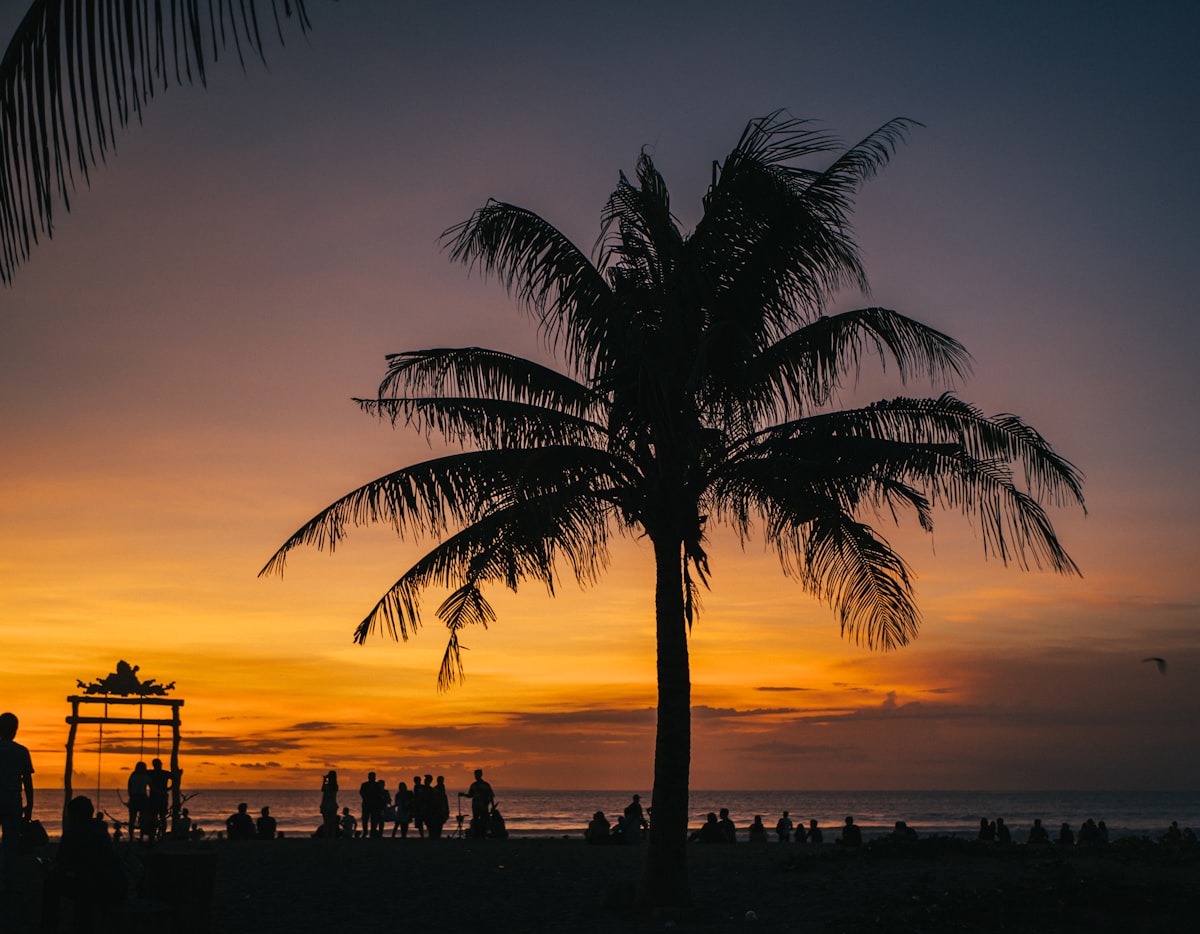
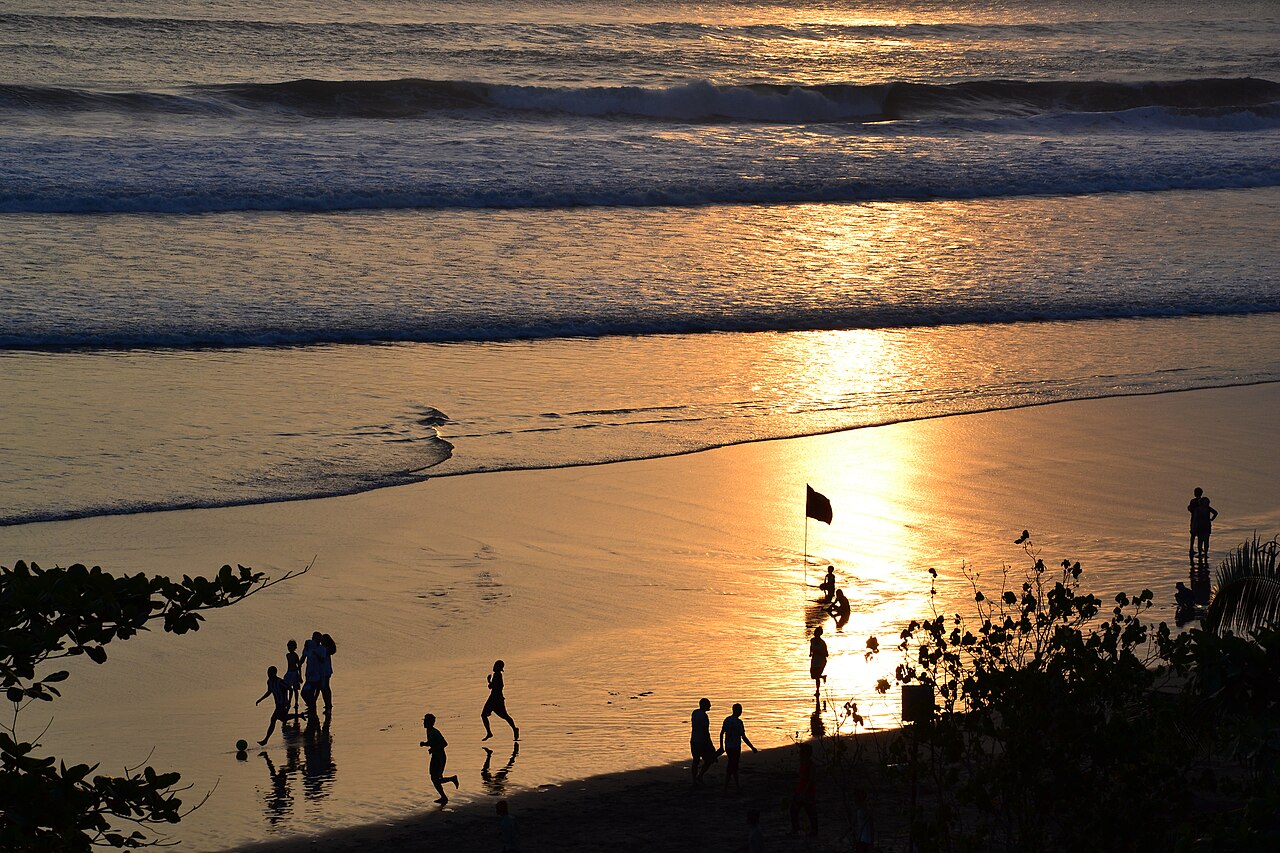
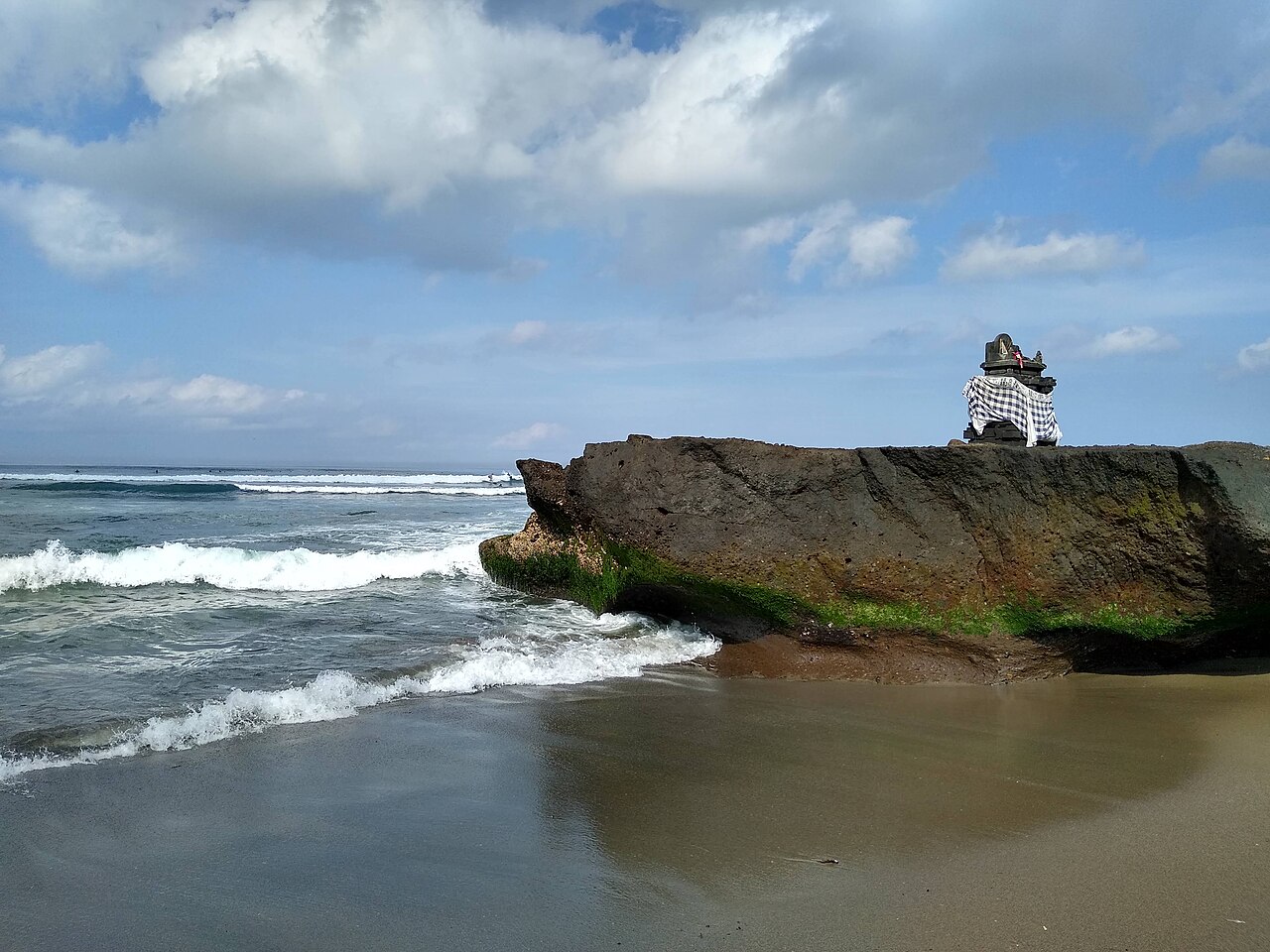
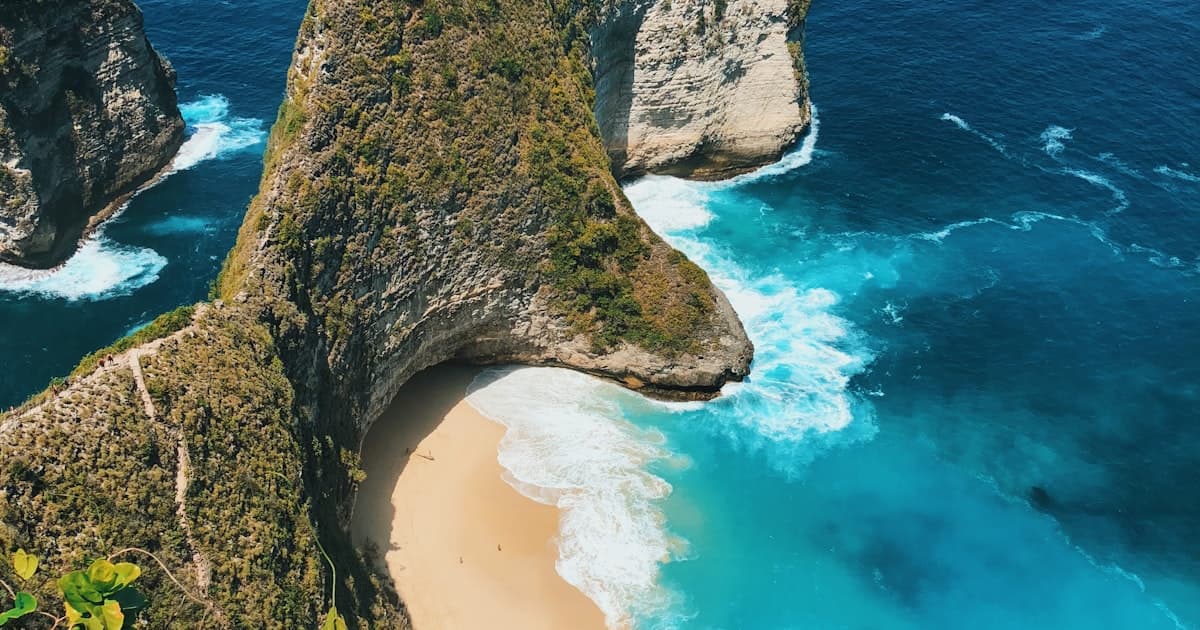
Bali's beaches are different. The south coast around Uluwatu has dramatic cliff-backed beaches with powerful surf. Nusa Dua has calm, resort-friendly shores. The black volcanic sand beaches in Canggu are iconic but not the "Caribbean postcard" type. For white sand and crystal water, you need to hop to Nusa Penida or the Gili Islands — both easy day trips but technically not Bali itself.
Thailand wins if: You want classic tropical beaches with white sand and calm turquoise water. Multiple islands mean you can always find an empty beach.
Bali wins if: You want dramatic coastal scenery — cliffside sunset bars in Uluwatu, surf culture, hidden coves accessed by steep staircases. The beach experience in Bali is more about atmosphere than sand quality.
Culture and Spirituality
This is where Bali pulls ahead decisively. Bali's Hindu culture is not a museum exhibit — it is woven into daily life in a way that is impossible to ignore and deeply moving to witness. Every morning, Balinese women place small offering baskets (canang sari) on sidewalks, dashboards, shop counters, and temple steps. Ceremonies happen constantly — temple festivals, cremations, tooth-filing rituals, full-moon celebrations.
Walking through Ubud during a ceremony, with gamelan music echoing across the rice paddies and processions of women carrying towering offerings on their heads, is one of those travel moments that stays with you permanently.
Thailand has extraordinary Buddhist temples — Wat Pho and the Grand Palace in Bangkok, the hundreds of temples in Chiang Mai, the ancient ruins of Ayutthaya. These are beautiful and historically significant. But Thai temple culture often feels more like sightseeing. In Bali, the spirituality is ambient — you live inside it whether you seek it out or not.
Thailand wins if: You want to explore grand temple architecture and Buddhist history across multiple cities.
Bali wins if: You want to be immersed in living, breathing spiritual culture that shapes every aspect of daily island life.
Food — Street Food vs Warungs
Thai food has a global reputation for good reason. The street food scene in Bangkok is legendary — pad thai from a cart at Yaowarat for $1.50, boat noodles in Victory Monument for under a dollar, som tum (papaya salad) that makes your eyes water in the best way. Chiang Mai's night markets, Khao Soi, and the general depth of Thai cuisine is world-class.
Bali's food scene is different. Local Balinese food — babi guling (roast suckling pig), lawar (mixed vegetables with coconut and spice), nasi campur from a traditional warung — is excellent but less internationally known. What Bali has developed over the past decade is an incredible international food scene. Canggu and Seminyak have some of the best cafes, health-food restaurants, and fusion dining in Southeast Asia. The quality-to-price ratio at mid-range restaurants in Bali is extraordinary.
Meal price comparison:
- Local street food/warung meal: Thailand $1–$3 / Bali $2–$4
- Mid-range restaurant dinner: Thailand $8–$15 / Bali $8–$15
- Fine dining: Thailand $30–$60 / Bali $25–$50
Thailand wins if: You are a street food obsessive who wants to eat for under $5/day and explore one of the world's great culinary traditions.
Bali wins if: You value the cafe scene, health-conscious dining, and international variety. Bali's food scene is more cosmopolitan; Thailand's is more traditionally deep.
Nightlife
Thailand takes this category by a wide margin if you are looking for the classic Southeast Asia party scene. Bangkok's Khao San Road, the Full Moon Party on Koh Phangan, Phuket's Bangla Road, and Chiang Mai's bar scene offer more variety and intensity than Bali.
Bali's nightlife is concentrated in a few areas. Seminyak has upscale beach clubs and cocktail bars. Canggu has a growing scene with live music venues and late-night spots. The beach clubs in Uluwatu (Single Fin, Sundays Beach Club) offer sunset sessions that are more about atmosphere than raging.
Thailand wins if: You want a big, diverse party scene with options ranging from rooftop cocktail bars to full-moon raves.
Bali wins if: You prefer sunset drinks at a cliff-edge beach club and a more relaxed evening scene. Bali nights are about vibes, not volume.
Activities and Things to Do
Both destinations offer an enormous range of activities, but with very different flavors.
Thailand's strengths:
- Island hopping (hundreds of islands to explore)
- Scuba diving in the Similan Islands and Koh Tao
- Muay Thai training camps
- Jungle trekking in northern Thailand
- Floating markets and night markets
- Historical sites (Ayutthaya, Sukhothai)
Bali's strengths:
- World-class surfing (Uluwatu, Canggu, Padang Padang)
- Rice terrace trekking through living landscapes
- Volcano sunrise hikes (Mount Batur, Mount Agung)
- Yoga and wellness retreats (Ubud is the global epicenter)
- Hindu temple ceremonies and cultural experiences
- Waterfall chasing through jungle valleys
Bali packs an extraordinary amount of variety into a small island. You can surf in the morning, hike a rice terrace at midday, visit an ancient temple in the afternoon, and watch the sunset from a clifftop — all without driving more than an hour. Thailand requires more transit time between its highlights.
Want us to plan this trip for you?
Our certified guide will create a personalized itinerary based on your interests, pace, and travel style.
Get Your Free ItineraryFor activity ideas in specific areas, check out our guides to things to do in Ubud, Uluwatu, and Canggu.
Safety
Both Bali and Thailand are generally safe for tourists. Violent crime against visitors is rare in both destinations. The main concerns are similar: petty theft, traffic accidents, and tourist scams.
Thailand-specific concerns:
- Taxi and tuk-tuk scams in Bangkok (always use Grab or insist on the meter)
- Jet-ski damage scams in Phuket and Koh Samui
- Drink spiking at certain party areas
- Some areas near the southern border have security issues (tourists do not typically go there)
Bali-specific concerns:
- Traffic is chaotic, especially around Canggu and Seminyak — scooter accidents are the number one risk
- Monkeys at Ubud Monkey Forest will grab phones, sunglasses, and food
- Bag snatching from passing scooters in busy areas (rare but it happens)
- Strong ocean currents on south coast beaches
Healthcare: Thailand has better hospital infrastructure overall. Bangkok's private hospitals are world-class. Bali has good private clinics (BIMC, Siloam) for common issues, but serious medical emergencies sometimes require evacuation to Singapore or Jakarta.
The verdict: Both are safe destinations by global standards. Thailand has better medical infrastructure. Bali's biggest risk is traffic — consider hiring a private driver rather than renting a scooter if you are not an experienced rider.
Getting Around
Thailand has well-developed public transport in cities — Bangkok's BTS and MRT are efficient and cheap. Between cities, you have domestic flights, overnight trains, and buses. On islands, it is mostly songthaews (shared trucks), longtail boats, and Grab.
Bali has essentially no public transport. You either rent a scooter, use ride-hailing apps (Grab/Gojek), or hire a private driver. This sounds like a disadvantage, but a private driver for a full day ($35–$50) is surprisingly affordable and dramatically improves the experience. Your driver knows the roads, handles the traffic, and can adapt the plan on the fly.
Thailand wins if: You like navigating public transport independently and hopping between cities and islands on your own.
Bali wins if: You prefer the comfort and flexibility of having a dedicated driver. For an island you can cross in 2–3 hours, a private driver is genuinely the best way to move.
Best Destination by Traveler Type
Families
Choose Bali. Private villas with pools are affordable and give families space that hotel rooms cannot match. The culture is family-friendly, activities like rice terrace walks and monkey forests delight kids, and having a private driver means no stressful navigation with children in tow.
Couples and Honeymooners
Choose Bali. The combination of clifftop sunsets in Uluwatu, jungle romance in Ubud, and private pool villas makes Bali one of the best honeymoon destinations in the world. Thailand has romantic options too (Koh Lipe, Koh Yao Noi), but Bali's romance-per-dollar ratio is unbeatable.
Solo Travelers
Either works. Thailand has a more established solo traveler infrastructure — hostels, backpacker trails, easy connections. Bali's coworking and digital nomad scene in Canggu is one of the best in the world, making it ideal for longer solo stays.
Backpackers
Choose Thailand. The backpacker trail through Bangkok, Chiang Mai, and the islands is well-worn for good reason. It is cheaper at the bottom end, easier to navigate without planning, and the hostel culture is more developed.
Wellness and Yoga
Choose Bali. Ubud is the undisputed global capital of yoga retreats and holistic wellness. The combination of spiritual culture, jungle setting, and affordability creates something no Thai destination can quite replicate.
Surfers
Choose Bali. Uluwatu, Padang Padang, Canggu, and dozens of other breaks make Bali one of the world's great surf destinations. Thailand has some surfing (Phuket in monsoon season), but it is not in the same league.
When to Visit Each
Bali's best months: April through October (dry season). May and September offer the best balance of weather and value. Read our full best time to visit Bali guide.
Thailand's best months: November through February (cool season) for most of the country. March and April are brutally hot. The islands have slightly different timing depending on which coast — Andaman side (Phuket, Krabi) is best November to April, Gulf side (Koh Samui) is best January to September.
Pro tip: If you want both, Bali's dry season and Thailand's wet season roughly overlap. Consider visiting Thailand November–February and Bali April–October.
The Bottom Line — Bali or Thailand?
After years of guiding travelers in Bali and spending significant time in Thailand, here is my honest take:
Choose Thailand if you want geographic variety, cheap backpacking, legendary street food, big nightlife, and the freedom to island-hop across dozens of distinct destinations over two or three weeks.
Choose Bali if you want depth over breadth — a single island where ancient spirituality, stunning landscapes, world-class surf, incredible food, and genuine warmth converge into something that feels like more than a vacation. Bali changes people in a way that resort destinations typically do not.
If you have two weeks, Bali alone is more than enough. If you have three or four weeks and want variety, combine both — fly into Bangkok, work south through the islands, then fly to Bali for the second half. Many travelers I guide have done exactly this, and they consistently tell me that Bali is where they wished they had spent more time.
FAQ
Is Bali cheaper than Thailand?
For backpackers, Thailand is slightly cheaper — budget accommodation and street food cost less. For mid-range and luxury travelers, Bali often delivers better value. A private pool villa in Bali for $60/night would cost significantly more in Thailand's resort areas.
Is Bali better than Thailand for a honeymoon?
Yes, in most cases. Bali's combination of affordable luxury villas, clifftop sunset dining, jungle romance in Ubud, and cultural depth makes it one of the top honeymoon destinations globally. Thailand has romantic spots, but Bali's entire atmosphere is built for couples.
Is Thailand safer than Bali?
Both are safe for tourists. Thailand has better hospital infrastructure, which matters for serious emergencies. Bali's main safety concern is traffic — scooter accidents are common among tourists. Neither destination has significant violent crime against visitors.
Can I visit both Bali and Thailand in one trip?
Absolutely. Direct flights between Bali and Bangkok take about four hours and are often under $100 on budget airlines. A common route is one week in Thailand followed by one to two weeks in Bali. Many travelers find they prefer to spend the majority of their time in Bali once they arrive.
Which has better beaches — Bali or Thailand?
Thailand has more and better traditional beaches — white sand, turquoise water, calm lagoons. Bali's beaches are more dramatic (volcanic sand, towering cliffs, big surf) but less conventionally "tropical paradise." For classic beach holidays, Thailand wins. For coastal atmosphere and surf culture, Bali wins.
Is Bali or Thailand better for digital nomads?
Bali, specifically Canggu. The coworking infrastructure, cafe culture, fast internet, affordable cost of living, and established nomad community make it one of the top digital nomad hubs in the world. Chiang Mai is Thailand's equivalent and is also excellent, but Canggu's combination of surf, social scene, and workspace density gives it the edge.
Ready to plan your Bali trip? Whether it is your first visit or you are adding Bali to a Southeast Asia itinerary, we can help you make the most of your time on the island. Our private driver service takes the stress out of getting around, and our certified guides speak French, Mandarin, and English. Get in touch and we will build a plan that fits your style.
Related Guides
<!-- internal-link-sweep:2026-04-29 -->
Certified Travel Guide & Co-Founder
A certified Bali guide credentialed by the Indonesian Ministry of Tourism, fluent in French, Mandarin, English, and Indonesian. Part of a family of certified guides who have been guiding travelers across Bali for many years — sharing temples, rice terraces, and hidden corners that never make the brochures.
Languages: French · Mandarin · English · Indonesian
Ready to discover Bali?
Tell us about your dream trip and our local experts will craft a personalized experience just for you.
Start Planning