Quick answer: Sidemen is a tranquil valley in east Bali at the foot of Mount Agung, known for rice terraces, traditional ikat weaving villages, and sweeping volcano views. It is ~90 minutes from Ubud and ~2 hours from the airport. Best visited April to October (dry season) for clearest Agung views. Stay 2–3 nights to explore the rice terraces, Bukit Cinta sunrise viewpoint, Tirta Gangga water palace, and family weaving workshops. Ideal for travelers who want authentic Balinese village life without Ubud's crowds.
Sidemen Valley is east Bali's answer to Ubud — but without the crowds. This serene village sits in a lush river valley framed by Mount Agung, Bali's highest and most sacred volcano. It is one of the most photogenic locations on the island, with sweeping rice terraces, traditional weaving villages, and a pace of life that has barely changed in generations.
While Ubud has become increasingly commercialized, Sidemen remains authentically Balinese. Farmers tend their paddies by hand, temple ceremonies follow the traditional calendar, and the soundtrack is birdsong rather than motorbike traffic. For travelers who want to experience the "real Bali" that guidebooks talk about, Sidemen delivers.
Why Sidemen vs other Bali bases
Sidemen, Ubud, and Amed are the three classic east-Bali bases. Here is the honest comparison we share with our clients:
| Feature | Sidemen | Ubud | Amed |
|---|---|---|---|
| Vibe | Sleepy valley, traditional | Cultural hub, busy | Coastal fishing village |
| Crowds | Very low | High in centre | Low to moderate |
| Activities | Rice walks, ikat weaving, Mount Agung views | Temples, yoga, art galleries | Diving, snorkelling, sunrise |
| Beach | None | None | Black sand & coral coves |
| Best for | Slow travel, photography, retreat | First-time culture | Divers, snorkelers, relaxed coast |
| Stay length | 2–3 nights | 3–4 nights | 2–3 nights |
A favourite east-Bali pairing in our custom itineraries is 2 nights Sidemen + 2 nights Amed for travellers who want both rice terraces and the sea.
Sidemen Rice Terraces
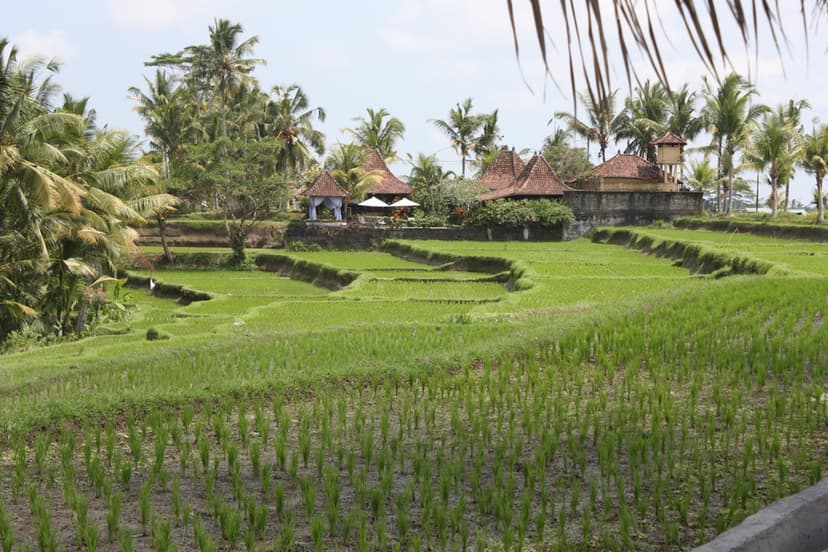
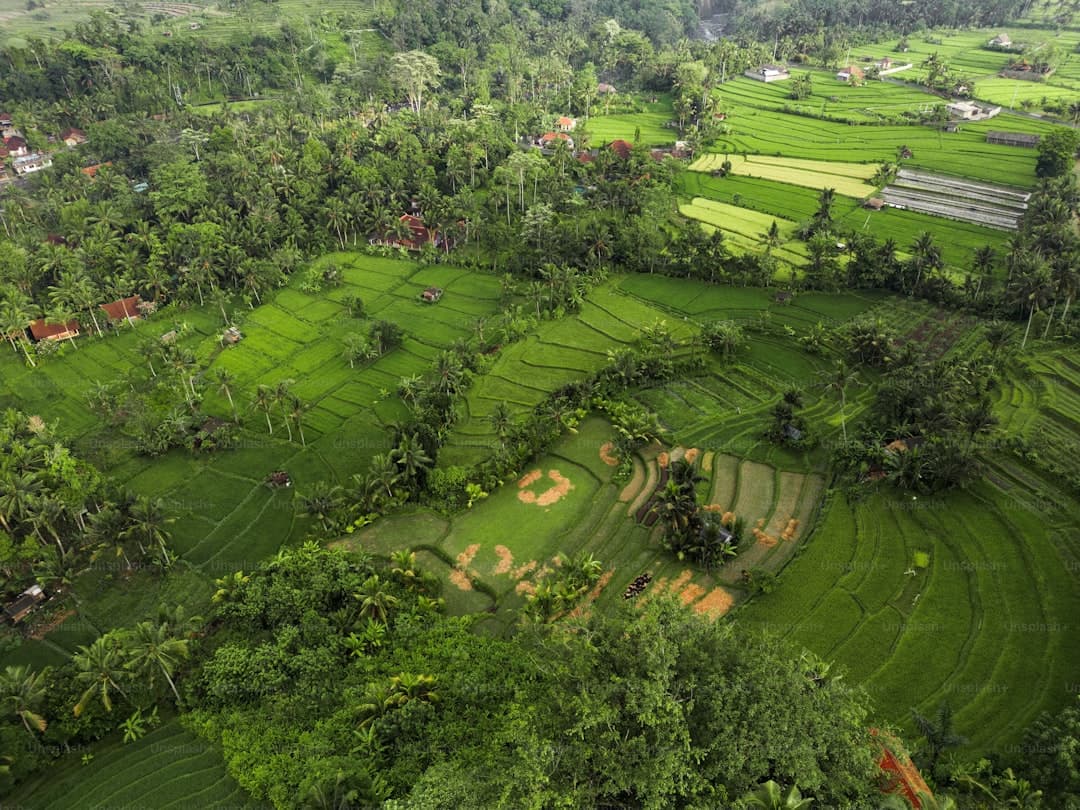
The rice terraces around Sidemen are among Bali's most beautiful and least visited. Unlike the often-crowded Tegallalang terraces near Ubud, Sidemen's paddies stretch across the valley floor with Mount Agung rising dramatically behind them.
Sidemen vs Tegalalang vs Jatiluwih — which rice terrace should you visit?
Bali's three best-known rice terrace areas attract very different travelers. Here is the honest breakdown we share with our clients before they pick:
| Feature | Sidemen | Tegalalang | Jatiluwih |
|---|---|---|---|
| Total area | ~12 km of working valley | One roadside slope (~600 m) | 600 hectares (UNESCO) |
| Mount Agung view | Yes, dominates every shot | No | No (Mount Batukaru instead) |
| Crowds | Very low | Very high | Moderate |
| Entrance fee | Free | 25,000 IDR + Bali swing pricing | 40,000 IDR |
| Walking time | 1–4 hours of trail options | 30–60 min loop | 1.5–3 hour loop |
| Working farms | Yes — daily rice cultivation | Mostly tourist-facing now | Yes, traditional subak |
| Drive from Ubud | 90 minutes east | 20 minutes north | 90 minutes northwest |
| Best for | Photography, slow travel, Agung shots | Quick stop near Ubud | UNESCO heritage walk |
| Photography window | Dawn through 9 AM (clear Agung) | Anytime, but busiest 10 AM–3 PM | Mid-morning (avoiding cloud) |
Tegalalang gives you a 30-minute photo stop on the way to or from Ubud. Jatiluwih is the UNESCO option if heritage labels matter — but no Mount Agung backdrop. Sidemen is for travelers who want the rice terrace experience to be the trip itself, not a roadside attraction.
Best photo spots for Sidemen rice terraces with Mount Agung view
These are the four locations our guides return to with photographers, in order of the lighting window:
- Bukit Cinta viewpoint (sunrise, 5:30–6:30 AM dry season). The classic shot — paddies cascading down toward Agung, often with mist clinging to the lower terraces. Walk five minutes from the parking area; arrive 20 minutes before sunrise to set up.
- Telaga Waja River south ridge (mid-morning, 8–10 AM). A small unmarked trail above the river gives you Agung framed by palms and bamboo. Less iconic than Bukit Cinta but no other tourists.
- Selat road pull-offs (8–11 AM). The road from Sidemen toward Selat passes through elevated terrain with multiple unmarked viewpoints. Your driver can pull over wherever the light catches the volcano face.
- Lower river-road paddies (sunset, 5:30–6:30 PM). The west-facing paddies along the lower lanes catch warm light on the rice and Agung gets the last alpenglow on its eastern slope. Best from any homestay or warung porch facing the valley.
For drone work, fly only from your accommodation's grounds with permission — Indonesian regulations restrict drones near Mount Agung and around active temple ceremonies, both of which apply across the valley. Your Ohana guide can confirm the rules for the specific spot and day.
Walking trails wind through the terraces and neighboring villages where you can observe daily Balinese life up close — farmers planting rice, women carrying offerings to temple, children playing in the irrigation channels. The best time for photography is early morning when mist rises from the valley and the light is golden.
Several trekking routes range from easy one-hour walks along the rice paddy paths to more challenging half-day hikes that climb into the surrounding hills for panoramic views. Your Ohana guide can tailor the trek to your fitness level and interests.
Bukit Cinta Viewpoint
Bukit Cinta (Love Hill) is the most iconic viewpoint in east Bali. From here, you get a sweeping panorama of Sidemen Valley with rice terraces cascading down the slopes and Mount Agung dominating the skyline behind them. On clear mornings, the reflection of Agung in the flooded paddy fields creates a mirror-like effect that is simply breathtaking.
The viewpoint is accessible by a short walk from the road and is particularly stunning at sunrise. We recommend arriving around 5:30 AM during dry season for the best conditions.
Traditional Ikat Weaving
Sidemen is the heartland of Balinese ikat weaving — a centuries-old textile technique where threads are dyed before weaving to create intricate patterns. This is not a tourist demonstration; weaving is a living tradition here, with families passing techniques down through generations.
Visit a family workshop to watch the painstaking process from raw cotton to finished textile. The weavers are happy to explain their craft, and purchasing directly from them supports the local economy in the most meaningful way. A quality hand-woven ikat piece takes weeks to complete and makes a unique souvenir.
Mount Agung
Sidemen sits at the foot of Mount Agung (3,031 meters), making it an ideal base for volcano treks. Sunrise treks depart in the early hours of the morning and reward climbers with views across the island — on clear days you can see all the way to Mount Rinjani on Lombok.
The full summit trek is demanding (6-8 hours round trip) and requires good fitness. A less challenging alternative is the trek to Pasar Agung temple at 1,500 meters, which offers stunning views without the grueling final ascent.
Tirta Gangga Water Palace
Just 30 minutes from Sidemen, Tirta Gangga is a royal water palace built in 1946 by the last king of Karangasem. The palace features ornamental pools, fountains, and stepping stones surrounded by manicured gardens with Mount Agung in the background.
You can swim in the natural spring-fed pools and walk through the grounds at a leisurely pace. The water is believed to be holy, and locals come here for purification ceremonies. Combine this with a stop at Taman Ujung, another royal water palace nearby.
Where to Stay in Sidemen
Sidemen has a growing selection of accommodation, from simple homestays to boutique eco-lodges with infinity pools overlooking the valley. The area is still developing, which means even mid-range options offer the kind of valley views that would cost significantly more in Ubud.
Many properties are family-run, which means personalized service and authentic Balinese hospitality. Some of the best stays include open-air restaurants where you can dine with rice terrace views.
Getting to Sidemen
Sidemen is approximately 90 minutes from Ubud and 2 hours from Ngurah Rai airport. The drive from Ubud passes through the town of Klungkung (Semarapura) where you can stop at Kerta Gosa, the old royal court of justice with its remarkable painted ceiling.
The road into Sidemen valley winds through rice paddies and small villages — the drive itself is scenic and worth savoring. With an Ohana private driver, you can stop wherever catches your eye along the way.
Best Time to Visit
The dry season (April to October) offers the clearest views of Mount Agung and the best conditions for trekking. Mornings are typically clearer than afternoons, as clouds tend to build around the summit after midday.
The rainy season (November to March) is still beautiful — the rice terraces are at their greenest — but trails can be slippery and Agung is often hidden behind clouds. If you visit during rainy season, aim for early morning activities.
Rice Terrace Trekking Routes
Sidemen offers some of the best trekking in Bali, with routes that take you deep into the working landscape of the valley. The most popular route starts from the main road near the village center and descends through tiered paddies to the Telaga Waja river below. This walk takes roughly two hours at a relaxed pace, crosses bamboo bridges, and passes through small hamlets where farmers are often happy to wave you over for a chat.
A longer half-day route climbs the eastern ridge of the valley, passing through clove and cacao plantations before opening up to panoramic views across the entire Sidemen basin with Agung towering behind. The trail is well-worn but uneven in places, so sturdy shoes are recommended. Your Ohana guide knows which paths are in the best condition depending on the season, and can adjust the route on the fly if you want to linger at a particular viewpoint or detour to a temple ceremony happening along the way.
For something gentler, the flat rice paddy paths along the valley floor are perfect for families or anyone who prefers a stroll over a hike. These paths connect several villages and weaving workshops, so you can combine a walk with cultural visits without any strenuous climbing.
Village Walks and Artisan Workshops
Beyond ikat weaving, the villages around Sidemen are home to other traditional crafts that rarely appear in tourist brochures. Silverwork is practiced by a handful of families in the area, who create intricate jewelry and ceremonial objects using techniques passed down for generations. Watching a silversmith shape delicate filigree with simple hand tools is mesmerizing, and the finished pieces make meaningful keepsakes.
Palm sugar production is another craft you can observe on village walks. Farmers climb towering coconut palms at dawn to collect sap, which is then boiled down in open pans over wood fires until it caramelizes into rich, dark sugar. The whole process happens in family compounds, and if your guide has a relationship with the family — which ours do — you can taste it fresh and learn about the different grades used in Balinese cooking.
Bamboo weaving and offering-making are everyday activities you will encounter simply by walking through the villages. Women sit on their porches folding palm leaves into elaborate ceremonial offerings, and bamboo artisans produce baskets, trays, and construction materials. None of this is staged for tourists — it is daily life, and that is what makes Sidemen special.
Mount Agung Viewpoints
You do not need to climb Agung to appreciate it. Several viewpoints around Sidemen offer spectacular perspectives of the volcano without any strenuous effort. Bukit Cinta is the most famous, but locals know quieter spots along the eastern ridge road where you can pull over and have the view entirely to yourself, especially in the early morning.
The road to Selat, north of Sidemen, passes through elevated terrain with unobstructed sightlines toward the summit. During dry season mornings (roughly April through September), Agung is typically clear until mid-morning before clouds begin wrapping the upper slopes. The window between sunrise and about 9 AM is when you will get the sharpest, most dramatic views — the low-angle light picks out every fold and ridge on the mountain face.
For photographers, the combination of foreground rice paddies, mid-ground village rooftops, and Agung in the background creates the kind of layered composition that defines the Bali landscape. Your Ohana guide can position you at the right spot at the right time for the conditions.
Practical Tips
Where to stay: The best accommodation clusters along two areas — the main Sidemen road (convenient, with views across the valley) and the quieter lanes descending toward the river (more secluded, closer to rice terraces). If you want infinity pool views of Agung, the properties along the main road deliver. If you prefer waking up surrounded by paddies with nothing but birdsong, look toward the lower lanes.
Getting around: Sidemen has no public transport to speak of. The roads are narrow and winding, making scooters risky for inexperienced riders. A private driver is the most comfortable and safest option, especially if you want to combine Sidemen with stops at Tirta Gangga, Besakih, or the coast. Your driver can wait while you trek and be ready when you emerge.
Local warungs: Some of the best food in Sidemen comes from tiny family-run warungs along the main road and village lanes. These serve authentic Balinese dishes — nasi campur, lawar, sate lilit — at a fraction of hotel restaurant prices. Ask your guide for their personal favorites; the best warungs change with seasons and family circumstances, so a local recommendation is worth more than any online review.
Combine with East Bali
Sidemen is perfectly positioned as a base for exploring east Bali. Within easy reach are Candidasa and Amed (coastal towns with excellent snorkeling), Besakih (the Mother Temple), and the traditional salt-farming villages along the coast. A two to three night stay in Sidemen gives you enough time to explore the valley and surrounding area without rushing.
Sidemen sits at the foot of Mount Agung (3,031 m), Bali's sacred volcano — clear-day views from the rice terraces are unobstructed, and the temple at its base (Pura Pasar Agung) is a quieter alternative to Besakih.
Related guides
- Things to Do in Sidemen Bali — Beyond the Tourist Trail — deep-dive listicle for the valley.
- Best Bali Waterfalls — the East Bali falls within reach of Sidemen.
- Bali Temples Guide — Pura Besakih and Pura Pasar Agung etiquette.
- Amed → — the coastal pairing 1 hour east, USS Liberty wreck on the doorstep.
- Ubud → — the cultural hub 1 hour west.