Balinese cuisine is one of the most complex and least understood food traditions in Southeast Asia. While Indonesian staples like nasi goreng have global recognition, the real depth of Balinese cooking lies in its spice pastes — the bumbu — which can contain a dozen or more freshly ground ingredients and take hours of preparation. This hands-on cooking experience takes you from a bustling morning market through a tropical spice garden to a traditional kitchen where you prepare a full Balinese feast from scratch, learning techniques that have been passed down through families for generations.
Quick answer: This half-day experience begins with a guided visit to a traditional Balinese morning market, continues through a spice garden where you pick fresh ingredients, and culminates in a hands-on cooking session where you prepare 5-7 authentic dishes. You leave with practical skills and recipes to recreate Balinese flavors at home. No prior cooking experience is needed.
What Makes This Experience Special
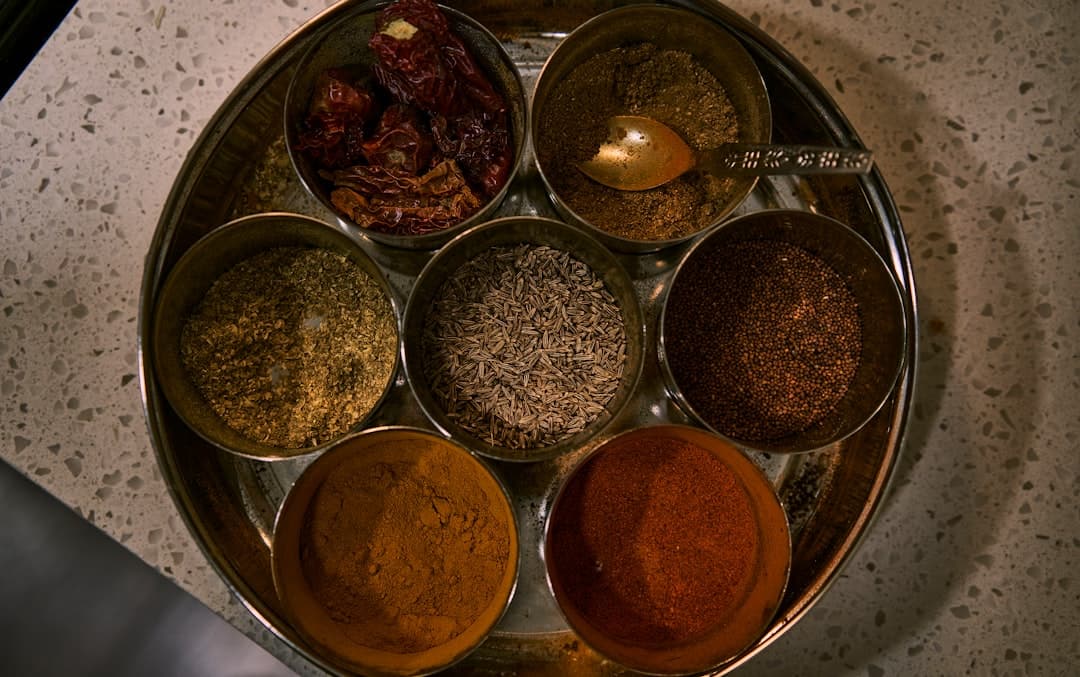
The difference between Balinese cooking and most Southeast Asian cuisines you may have encountered is the bumbu — the spice paste foundation that underlies nearly every dish. A single bumbu can include shallots, garlic, galangal, turmeric, ginger, lemongrass, candlenuts, coriander seeds, white pepper, shrimp paste, palm sugar, and several varieties of chili, all ground by hand in a stone mortar. The ratio and grinding technique vary between families and villages, and a Balinese cook's reputation rests largely on the quality of their bumbu.
In this experience, you do not just watch someone demonstrate these techniques — you do them yourself. You learn to identify each ingredient by sight, smell, and taste. You grind your own bumbu in a traditional cobek (stone mortar) and feel the texture change as the paste comes together. This hands-on understanding is something no recipe book can teach, because bumbu preparation is as much about feel and smell as it is about measurements.
The experience also contextualizes Balinese food within the island's ceremonial life. Many of the dishes you prepare — lawar, satay lilit, babi guling preparations — are deeply connected to temple ceremonies and community celebrations. Your guide explains which dishes belong to which occasions, and why food preparation in Bali is considered a devotional act, not merely a domestic task.
What to Expect
7:00 AM — Market Visit
The morning begins at a traditional Balinese market, arriving early enough to see it at peak activity. This is not a sanitized tourist market — it is where local families do their daily shopping. The energy is remarkable: vendors calling out prices, the colors of tropical fruits and vegetables stacked in precise arrangements, the smell of fresh spices and flowers mixed together.
Your guide walks you through each section of the market, explaining what you are seeing. The vegetable section, where you learn to identify ingredients like kencur (lesser galangal), daun salam (Indonesian bay leaf), and different varieties of shallot and chili. The spice vendors, where whole coriander, cumin, and white pepper are sold by weight. The flower sellers, whose products are destined for temple offerings rather than dining tables — but your guide explains the connection between the two, since ceremonial and culinary traditions in Bali are deeply intertwined.
You select ingredients for the dishes you will cook later, guided by what looks freshest that morning. This flexibility is intentional — Balinese home cooking responds to what the market offers, not the other way around.
9:00 AM — Spice Garden Tour
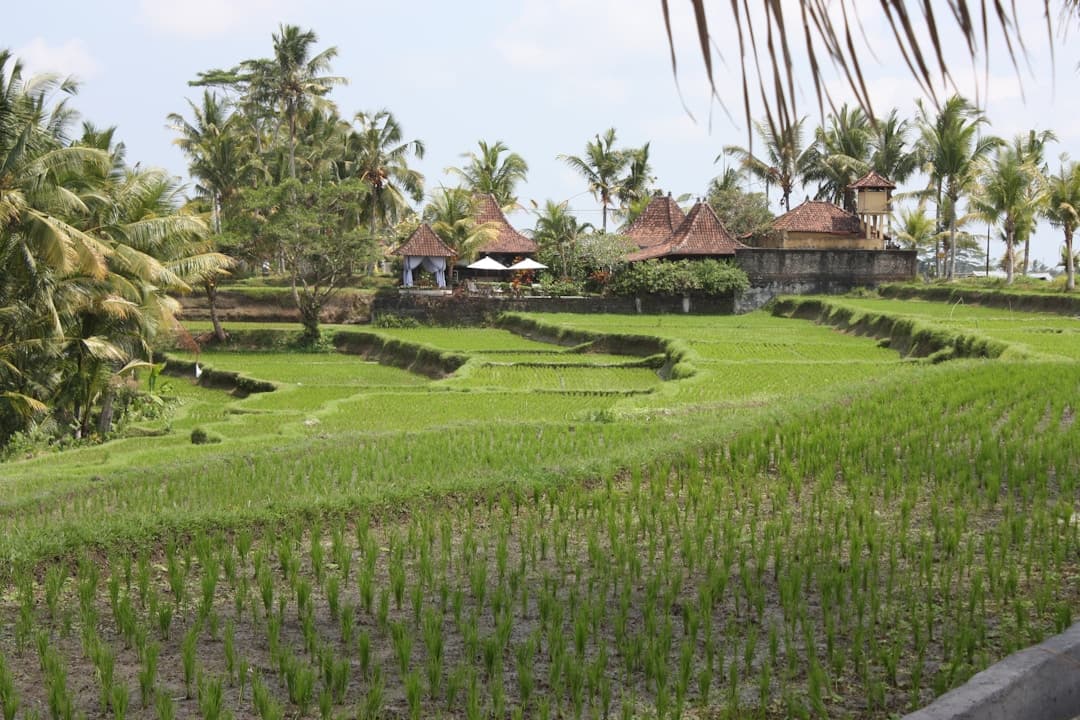
From the market, you travel to a traditional spice garden set within a lush tropical compound. Here, the ingredients you bought at the market are contextualized in their living form. You walk among turmeric plants, lemongrass clumps, galangal roots, and chili bushes, picking fresh herbs and spices directly for your cooking session.
Your guide provides botanical and culinary information for each plant — not just how it tastes, but how it grows, when it is harvested, and how different parts of the same plant serve different purposes. Turmeric leaves, for example, are used to wrap fish for grilling, while the root is ground into spice paste. Lemongrass stalks flavor soups and curries, but the outer leaves can be woven into fragrant brushes for basting satay.
This section is particularly engaging for children and anyone with an interest in gardening or botany. The sensory experience — crushing a turmeric root between your fingers, smelling fresh galangal, tasting a raw candlenut — creates understanding that goes far beyond reading a recipe.
10:00 AM — Bumbu Preparation
Back in the traditional outdoor kitchen, the cooking begins with the most important step: preparing the bumbu. Your instructor demonstrates the traditional mortar-and-pestle technique, then guides you as you grind your own spice paste. This is physical work — proper bumbu requires sustained grinding until the paste reaches a smooth, aromatic consistency — and it gives you immediate respect for the labor behind Balinese cooking.
You also learn the logic behind bumbu composition. Why certain spices are added first (harder ingredients like candlenuts go in before delicate ones like shallots). How the color of the paste indicates whether the turmeric and chili ratios are correct. What the paste should smell like at each stage. These are the details that recipes omit but that make the difference between a competent approximation and the real thing.
10:30 AM — Cooking Session
With your bumbu prepared, you move through the full menu of dishes. A typical session includes:
- Satay lilit — Minced fish or chicken mixed with coconut, lime leaf, and bumbu, wrapped around lemongrass stalks and grilled over coconut husks. This is Bali's signature satay, distinct from the peanut-sauce skewered version found elsewhere in Indonesia.
- Lawar — A finely chopped salad of long beans, coconut, and spices, traditionally served at ceremonial occasions. The technique of achieving the right texture through knife work rather than a food processor is an art in itself.
- Nasi goreng — Indonesia's national dish, but prepared the Balinese way with fresh bumbu rather than bottled sauces. The wok technique — managing heat, timing, and ingredient order — is where many home cooks struggle, and your instructor gives hands-on correction.
- Soto ayam or chicken curry — A turmeric-rich soup that demonstrates how bumbu transforms simple ingredients into something extraordinary.
- Sambal matah — A raw shallot and lemongrass sambal that is quintessentially Balinese, requiring no cooking but precise knife skills and balance of flavors.
- Jaje Bali — A traditional Balinese sweet, often made from rice flour, palm sugar, and coconut, offering a window into the island's dessert traditions.
Each dish is taught step by step, with your instructor explaining not just the technique but the cultural significance and regional variations.
12:30 PM — The Feast
You sit down to eat everything you have prepared, served on traditional plates in a garden setting. This is one of the most satisfying parts of the experience — the food tastes different when you have made it yourself, selected the ingredients at the market, and understand what went into every element. Your instructor joins the meal and is happy to answer remaining questions about technique, ingredient substitution for cooking at home, and Balinese food culture.
What's Included
- Return transportation from your hotel (Ubud, Canggu, or Seminyak area)
- Guided market tour with ingredient shopping
- Spice garden tour with fresh herb picking
- Hands-on cooking instruction for 5-7 dishes
- All ingredients, equipment, and cooking materials
- Full meal of everything you prepare
- Printed recipe cards to take home
- Bottled water, tea, and coffee throughout
Practical Tips
Skill level: Absolutely no cooking experience is required. The instruction starts from basics — how to hold a knife, how to manage heat — and adjusts to your level. Experienced home cooks will find the bumbu preparation and wok techniques challenging and rewarding. There is something to learn at every skill level.
What to wear: Comfortable, casual clothing you do not mind getting slightly splashed. The kitchen is outdoors and shaded but warm. Closed-toe shoes are recommended for the market visit, where the floors can be wet.
Dietary requirements: The menu can be adapted for vegetarian diets. Vegan accommodations are possible with advance notice (several dishes rely on shrimp paste, which can be substituted). Please inform us of any allergies when booking.
Best time to go: This experience runs year-round. The early morning market visit is the same in any season. During the wet season, the outdoor kitchen is covered, so rain does not interrupt the cooking. The spice garden is actually at its most lush and aromatic during the wetter months.
What to bring: A camera is worthwhile, especially for the market visit. An appetite — you will eat a generous meal at the end. If you want to take notes beyond the recipe cards, bring a small notebook. Some guests film the bumbu preparation on their phones for reference, which the instructor encourages.
Children: This is an excellent experience for children. The market visit is sensory and exciting, the spice garden is hands-on, and kids generally love the cooking itself — especially shaping satay lilit and grinding spices. The instructor adapts tasks to be age-appropriate.
Who Is This For?
This experience appeals to a wide range of travelers. Food enthusiasts who want to understand a cuisine at its roots, not just taste it in restaurants. Couples looking for a shared hands-on activity that produces a tangible (and delicious) result. Families wanting an interactive experience that engages all ages. Solo travelers who enjoy learning practical skills and connecting with local culture through food.
It is also valuable for anyone who cooks regularly at home and wants to add Southeast Asian techniques to their repertoire. The bumbu preparation method and wok skills you learn here transfer directly to Indonesian, Thai, and Malaysian cooking. You leave with recipes, but more importantly, you leave with understanding of principles that make you a better cook generally.