Quick answer: Seminyak is Bali's upscale beach destination on the southwest coast, known for iconic beach clubs (Potato Head, Ku De Ta, Mrs Sippy), designer shopping along Jalan Kayu Aya, fine dining, and sunset views from Seminyak Beach. It is only ~30 minutes from Ngurah Rai International Airport by private car. Best visited April to October (dry season). Stay 2–3 days to enjoy the beach, shop, dine at top restaurants, and experience beach club culture. Works well as a base for day trips to Ubud, Uluwatu, or Tanah Lot.
Seminyak is Bali's most polished resort destination — a stretch of golden sand backed by upscale boutiques, fine-dining restaurants, and some of the island's most iconic beach clubs. The village has transformed from a quiet fishing community into a sophisticated international destination without losing its Balinese character entirely. If you're looking for a blend of beach relaxation, world-class dining, high-end shopping, and vibrant nightlife, Seminyak delivers effortlessly. The atmosphere is cosmopolitan and energetic, attracting travelers from across the globe who appreciate both luxury and the laid-back beach lifestyle.
Why Seminyak vs other Bali bases
Seminyak sits between trendy Canggu and budget Kuta on the southwest coast. Here is the honest comparison we share with first-time travellers:
| Feature | Seminyak | Canggu | Kuta |
|---|---|---|---|
| Vibe | Upscale, polished | Trendy, surfy, young | Lively, budget, busy |
| Polish | High — designer boutiques, fine dining | Medium — cafes & co-working | Low — markets & surf shops |
| Price | High (≈US$80–500/night) | Mid (≈US$30–200/night) | Low (≈US$15–150/night) |
| Beach clubs | World-class — Potato Head, Ku De Ta, Mrs Sippy | Casual — Finns, La Brisa | Few; mostly beachfront bars |
| Best for | Honeymooners, foodies, shoppers | Surfers, digital nomads | Backpackers, first night, surf lessons |
| Stay length | 2–3 nights | 2–4 nights | 1–2 nights |
A common pairing in our custom itineraries is 1 night Kuta on arrival, then 2–3 nights Seminyak before moving inland to Ubud.
Seminyak Beach
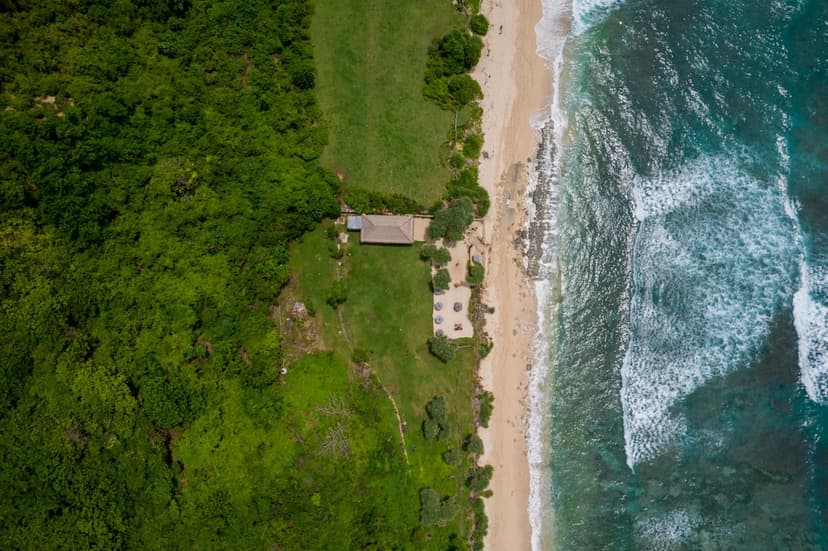
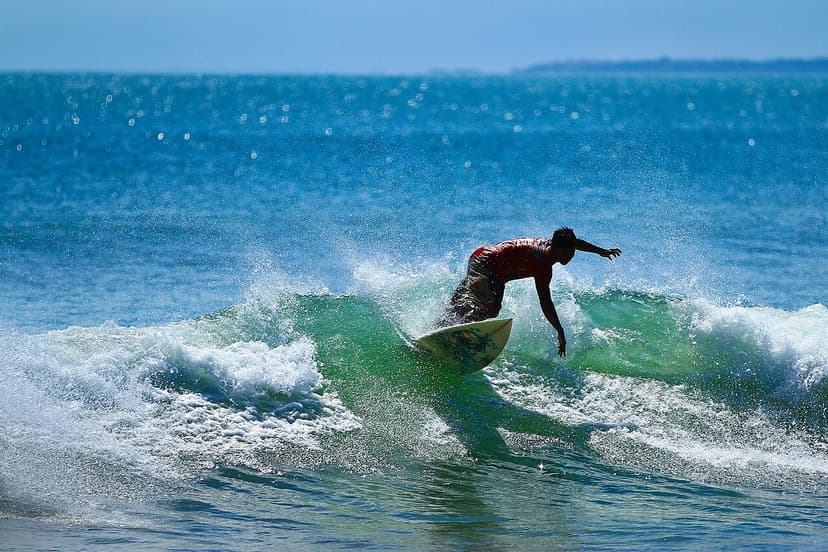
Seminyak Beach stretches for approximately 3 kilometers of golden sand, backed by hotels, restaurants, and beach clubs. The beach is broad, well-maintained, and offers consistent waves for surfing alongside calm areas for swimming and sunbathing. Unlike southern Bali's most famous breaks, Seminyak's waves are generally manageable for intermediate surfers and beginners with instruction — reef breaks in the area peel slowly, making them forgiving for those building their skills.
Surfing — Seminyak is an excellent learning destination for beginning surfers. Multiple surf schools operate along the beach offering lessons and board rentals at competitive rates. The waves typically reach 1-2 meters, with occasional larger swells during the dry season (May-September). The beach breaks change with tide and swell direction, so there are usually rideable waves somewhere along the sand. Local instructors know where the gentlest waves are on any given day.
Sunbathing and Swimming — Protected sections of beach near beach clubs offer calm water for swimming. The sand is fine and comfortable, and the water is warm year-round (26-28°C / 79-82°F). Sunset swimming is particularly pleasant — the light is soft, water temperature peaks at day's end, and the crowds thin as beach clubs begin to focus on evening events.
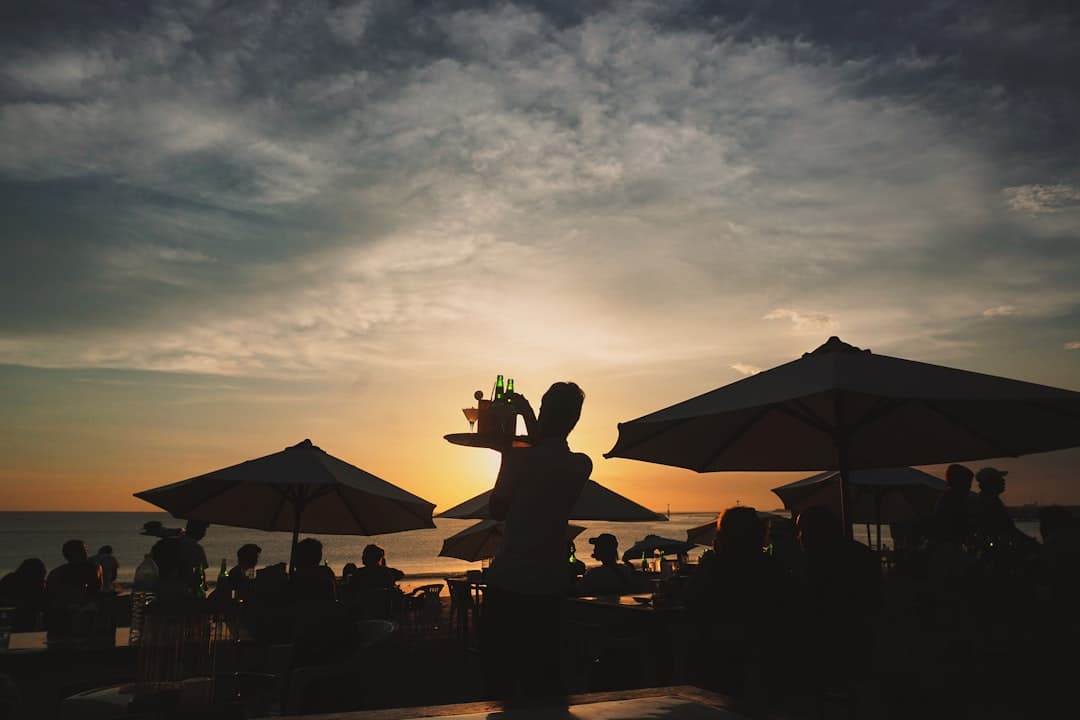
Sunset Walks — The most magical time on Seminyak Beach is the hour before sunset. Walk from the northern end (near Ku De Ta) southward as the light turns golden. The beach is lined with vendors selling fresh fruit, coconuts, and traditional snacks; locals heading out for evening fishing; and travelers settling in to watch the sun descend into the Indian Ocean. The sunset here is reliable and photogenic — the sun dips directly toward the water in clear view from the beach.
Beach Clubs
Seminyak's beach clubs are legendary internationally and define the destination's social scene. These are not simple shacks but full-service resort facilities with pools, loungers, fine dining, and professional service.
Potato Head Beach Club — Perhaps Seminyak's most recognizable venue, Potato Head features a large saltwater pool, multiple dining areas, and a full bar. The atmosphere is sophisticated but relaxed — wealthy travelers mix with digital nomads and young professionals. The sunset experience here is social and energetic; book a table if you want a guaranteed spot. DJ sets begin in late afternoon and continue through evening. The food and cocktails are excellent and priced accordingly.
Ku De Ta — Positioned slightly north of Potato Head, Ku De Ta offers a different vibe — more upscale and formal, with emphasis on fine dining and sunset champagne service. The infinity pool appears to spill into the ocean (a design illusion, but effective). The venue attracts a more mature, affluent crowd and sometimes enforces dress codes. Sunset here is premium and reservations are essential.
Mrs Sippy — A newer addition to the Seminyak club scene, Mrs Sippy combines beachfront location with a fun, unpretentious atmosphere. The venue features a pool, casual dining, and a relaxed bar scene. The vibe is less exclusive than Ku De Ta and more energetic than some competing venues — it's a good middle ground for travelers seeking beach club experience without maximum formality.
All three clubs welcome day visitors during daylight hours (loungers cost 100,000-200,000 IDR / US$7-13 per day, often redeemable toward food or drinks). Sunset reservations are advisable during peak season (July-August, December). Dress codes typically require covered shoes after dark but are otherwise relaxed.
Shopping
Jalan Kayu Aya is Seminyak's main shopping street, lined with designer boutiques, local fashion brands, and artisan shops. The street has been gentrified significantly over the past decade and now rivals boutique shopping areas in major international cities. You'll find high-end brands, Indonesian designers creating contemporary pieces, jewelry, home goods, and spa products.
Local Designers — Bali has a thriving fashion and craft community, and Seminyak is where many local designers show their work. Boutiques feature colorful clothing blending Indonesian motifs with contemporary cuts, unique jewelry using local stones and materials, and home items like hand-woven textiles. Supporting local designers directly (rather than mass-market retailers) ensures your money supports Balinese artisans.
Artisan Shops — Scattered throughout the shopping area are shops selling crafts from across Indonesia — woodcarvings, textiles, ceramics, and traditional items. Prices here are higher than purchasing directly from artisans in their villages, but the convenience and assurance of quality justify the markup.
Shopping in Seminyak is decidedly upscale; budget accordingly. A designer piece might cost 1,500,000-3,000,000 IDR (US$100-200), while local artisan items range from 200,000 IDR (US$13) for small goods to millions for larger pieces. Haggling is not typical in Seminyak's boutiques (unlike markets in Ubud), so prices are fixed.
Dining Scene
Seminyak has arguably the best restaurant density and quality in all of Bali, ranging from casual warungs to Michelin-standard fine dining.
Contemporary Indonesian — Restaurants like Sarong and Mozaic Beach Club serve modern Indonesian cuisine using local ingredients and traditional techniques with contemporary presentation. These are fine-dining experiences with substantial price tags (meals for two: 500,000-1,500,000 IDR / US$33-100+) but showcase the depth and sophistication of Balinese and Indonesian food.
Fresh Seafood — Beachside warungs and casual restaurants serve grilled fish, prawns, and squid at local prices (meals for two: 150,000-300,000 IDR / US$10-20). These range from simple open-air setups to more structured restaurants with ocean views. The quality is consistently excellent, and the freshness unquestionable — fish are purchased daily from the morning catch.
International Cuisine — Seminyak has excellent Italian, Japanese, Thai, and international restaurants. This is the place in Bali to find sushi made by trained Japanese chefs, authentic Italian pasta, or fine French cuisine. These restaurants serve both tourists seeking familiar food and expats who have been in Bali long-term.
Casual Dining — Cafes, pho shops, ramen vendors, and casual bistros serve affordable meals (30,000-80,000 IDR / US$2-5 for a full meal) in relaxed settings. These are where locals eat and where the real food scene exists beyond the tourist restaurants.
Restaurant Recommendations — Make dinner reservations in advance during peak season (July-August, December). Many upscale restaurants have waitlists, especially at sunset times. Seminyak's dining scene changes regularly with new restaurants opening and others closing; ask your accommodation for current recommendations.
Petitenget Temple
Perched on the beach itself, Petitenget Temple is a striking reminder that spiritual life continues in Seminyak despite the commercial development. The temple (also called Pura Petitenget) is an active place of worship, and Balinese families arrive daily to make offerings and pray. The temple is beautifully carved and ornamented, with the ocean as its dramatic backdrop.
Visiting the temple requires respectful behavior — wear a sarong (provided at the entrance or at nearby shops), walk quietly, and observe without interrupting ceremonies if they're occurring. The temple is small and easily viewed in 15-20 minutes. The best time to visit is early morning when locals come to pray and the beach is quieter. The golden light before sunrise illuminates the temple's carvings beautifully. Entry is free; a small donation to the temple is customary.
The temple's presence in the midst of beach clubs and resort development is culturally significant — it demonstrates how Balinese tradition continues alongside modern tourism, rather than being erased by it.
Day Trips from Seminyak
Seminyak's central location makes it an ideal base for exploring other parts of Bali.
Ubud (1 hour) — Bali's cultural heart offers art galleries, dance performances, traditional markets, and the famous Tegallalang Rice Terraces. A full-day trip combining Ubud's attractions with lunch at a local restaurant is easily managed. Many travelers spend 1-2 full days in Ubud.
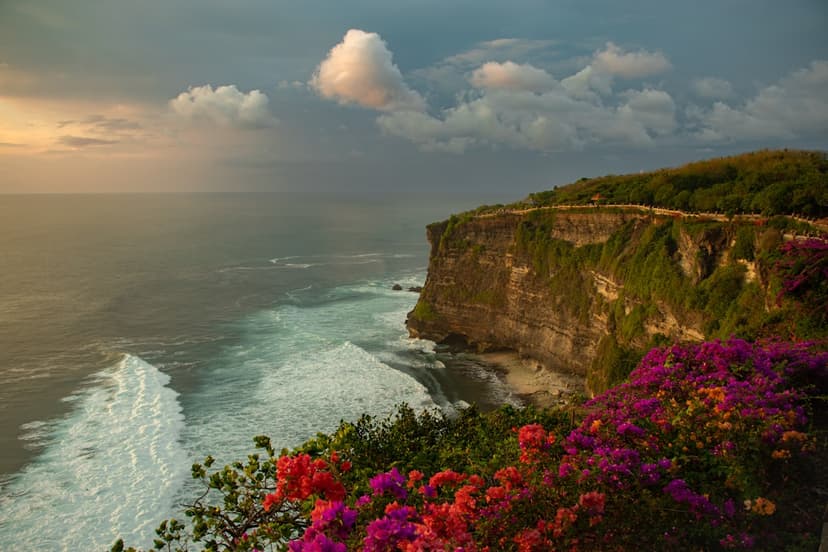
Uluwatu (45 minutes) — Bali's southwestern clifftop destination with hidden beaches, world-class surfing, and the stunning Uluwatu Temple sunset ceremony. A half-day trip focusing on temples and beaches, or a full day combining multiple beaches and dining.
Tanah Lot (20 minutes) — One of Bali's most iconic temples, sitting on a rocky outcrop surrounded by sea. Best visited at sunset, when the temple is backlit and beautifully framed against the ocean. A sunset trip includes driving time plus 1-2 hours at the temple.
Canggu (15-20 minutes) — Bali's trendy beach village offers surfing, world-class cafes, rice field walks, and more casual nightlife than Seminyak. Easy to combine as a morning or afternoon excursion.
All of these day trips are best managed with a private driver, allowing flexible timing and multiple stops along the way. Expect to pay 500,000-900,000 IDR (US$33-60) for a full-day driver.
Practical Information
Seminyak is one of Bali's most developed areas, with excellent infrastructure. ATMs, pharmacies, supermarkets, and all basic services are abundant. Internet is reliable, making it suitable for business travelers and remote workers. Accommodation ranges from budget hostels (100,000-200,000 IDR / US$7-13 per night) to ultra-luxury resorts (2,000,000+ IDR / US$133+), with excellent mid-range options (400,000-800,000 IDR / US$27-53 per night).
Traffic on Seminyak's main roads can be heavy, especially during rush hours and peak tourist season. Walking between restaurants and shops in the compact beachfront and shopping areas is pleasant and feasible. For exploring beyond walking distance, use a hired driver or scooter (with caution).
Book accommodations and restaurant reservations in advance during peak season (July-August, December). The beach is never truly empty, but crowds are lightest on weekday mornings. Seminyak rewards both those seeking luxury and comfort and those seeking budget-conscious beachside fun — the destination adapts to different travel styles while maintaining its distinctive character. The iconic Tanah Lot temple sits 30 minutes north and pairs naturally with a Seminyak base.
Related guides
- Seminyak Beach — A Local Guide to Bali's Most Famous Sunset Stretch — beach-day playbook, Potato Head logistics, sunset timing.
- Ubud vs Canggu vs Seminyak — Where to Stay in Bali — honest base-comparison if you're undecided.
- Bali Nightlife Guide — La Favela, Mrs. Sippy, and the Petitenget late-night strip.
- Canggu → — the younger, surf-oriented neighbour 20 minutes north.
- Kuta → — the budget alternative 15 minutes south.