Ubud vs Canggu vs Seminyak 2026 — Where to Stay in Bali (By Region Experts)
Ubud vs Canggu vs Seminyak in 2026 — daily costs, hotel ranges, vibes, surf, dining, nightlife, and family fit compared by a family of certified guides who run trips in all three areas every week.
In This Guide
- Why trust this comparison
- 2026 daily cost & accommodation snapshot
- Multi-axis comparison table
- The vibe (what each area actually feels like)
- Beaches and nature
- Food and dining
- Nightlife and social scene
- Cost — the honest summary
- For families
- For couples
- Getting around (and the traffic reality)
- Our recommendation (after years of doing this)
- Frequently Asked Questions
- Is it better to stay in Ubud or Canggu?
- Can I do day trips between Ubud, Canggu, and Seminyak?
- Which area is safest for solo travelers?
- Where should I stay for my first time in Bali?
- Is Seminyak too touristy in 2026?
- How many nights should I stay in each area?
- Which area has the best value villas in 2026?
- Can I work remotely from all three areas?
- What about beach clubs — where are the best?
- Is it worth combining Ubud and Seminyak (skipping Canggu)?
- How do I decide quickly without reading all of this?
- Related Guides
Not sure which area fits you? Use our interactive tool to get a personalised pick in under a minute → Bali Region Picker. Already comparing distances? Try the Bali Distance Calculator.
Quick answer (2026 verdict): Ubud wins for culture, jungle, and value — daily budget USD 55-95 with private-pool villas from USD 70/night. Canggu wins for surf, cafes, and remote work — daily budget USD 70-130, hotel range USD 50-220. Seminyak wins for dining, beach clubs, and walkable nightlife — daily budget USD 90-180, hotel range USD 90-400+. Stay 7+ nights and you split between two; under a week, pick one and use a private driver for day trips.
Why trust this comparison
We are a family of certified guides — Indonesian, originally from Medan, and based in Bali for years. The wife of the family is a French and Mandarin certified guide; her parents are official Mandarin guides. Between us we run trips through Ubud, Canggu, and Seminyak every single week — drop-offs, dinners, surf transfers, market walks, villa check-ins. This is not a 2019 listicle scraped from old TripAdvisor reviews. The prices, neighborhood notes, and traffic windows below come from what we paid and saw on the ground in April 2026. If you would rather have a human plan it for you, see our custom itinerary service.
2026 daily cost & accommodation snapshot
Mid-range traveler, single room or shared villa, two meals out per day, a few activities. USD figures rounded.
| Line item (per day) | Ubud | Canggu | Seminyak |
|---|---|---|---|
| Mid-range hotel / villa | USD 60-130 | USD 70-180 | USD 110-260 |
| Budget guesthouse / hostel | USD 18-35 | USD 22-45 | USD 30-55 |
| Luxury villa or 5-star (low end) | USD 180-400 | USD 220-450 | USD 300-700+ |
| Breakfast (cafe) | USD 5-9 | USD 7-12 | USD 9-15 |
| Lunch (warung) | USD 3-5 | USD 4-6 | USD 5-8 |
| Dinner (mid-range) | USD 10-18 | USD 13-22 | USD 18-40 |
| Cocktail (bar) | USD 6-10 | USD 8-12 | USD 10-16 |
| Scooter rental (24h) | USD 6-9 | USD 7-10 | USD 7-11 |
| Private driver (10h) | USD 45-60 | USD 50-65 | USD 55-70 |
| Surf board rental (full day) | n/a | USD 5-8 | USD 6-10 |
| Yoga class drop-in | USD 9-14 | USD 12-18 | USD 15-22 |
| Beach club entry (food/drink min) | n/a | USD 25-40 | USD 40-90 |
| Realistic mid-range daily total | USD 55-95 | USD 70-130 | USD 90-180 |
Cross-check live numbers in our Bali travel cost guide, which covers daily costs, accommodation, food, and currency exchange in one place.
Multi-axis comparison table
| Axis | Ubud | Canggu | Seminyak |
|---|---|---|---|
| Vibe | Spiritual, artistic, calm | Surf, creative, energetic | Polished, cosmopolitan, social |
| Accommodation strength | Jungle and rice-field villas, boutique retreats | Modern villas, design hotels, co-living | Beachfront resorts, fine villas, branded hotels |
| Beach | None — rivers, gorges, terraces | Black-sand surf beaches | Wider beach, calmer waves, sunset crowd |
| Surf | n/a (river rafting instead) | Excellent for beginners and intermediates | Mellow beach break, crowded peaks |
| Nightlife | Quiet — dance, wine bars, sound healing | Surf bars, live music, nomad events | Beach clubs, nightclubs, rooftop lounges |
| Food | Warungs, organic cafes, cooking schools | International brunch, trendy cafes | Fine dining, beach club kitchens |
| Culture | Highest density of temples, art, ritual | Light — surf and cafe culture | Light — commercial-coastal |
| Family-friendly | Excellent for under-10s | Good for older kids | Good for resort families |
| Walkability | Center only | Low — scooter or driver | Most walkable of the three |
| Best for | Honeymooners, yogis, culture seekers | Surfers, nomads, creatives | Foodies, nightlife, luxury travelers |
| Suggested nights | 2-4 | 3-5 | 2-4 |
The vibe (what each area actually feels like)
Ubud feels like stepping into a different Bali. Slower pace, cooler air (it sits at higher elevation), gamelan music and roosters in the soundscape rather than scooter engines. Step outside the center and you are in rice paddies with nothing but birdsong. It pulls in travelers who want to feel something rather than just see something — yogis, artists, honeymooners, anyone needing to decompress.
Canggu is scrappy and constantly evolving. Main roads are congested, but turn down a side street and you find quiet rice fields, hidden cafes, and surf breaks with nobody on them. It draws surfers, digital nomads, young couples, and solo travelers who want an active social scene without resort polish. It is the part of Bali where you meet someone at a coffee shop and end up sharing a ride to a waterfall.
Seminyak is the most developed and cosmopolitan. Boutique shops, cocktail bars, and restaurants that would hold their own in any major city. The beach is wider and calmer than Canggu's. Sunset views are among the best on the island. Couples wanting date nights, groups wanting nightlife, and travelers who prefer comfort over rawness all gravitate here. It is the area where you walk in sandals and never worry about potholes. For a coastal alternative with more luxury and calmer water, look at Jimbaran or the wider Bukit Peninsula.
Beaches and nature
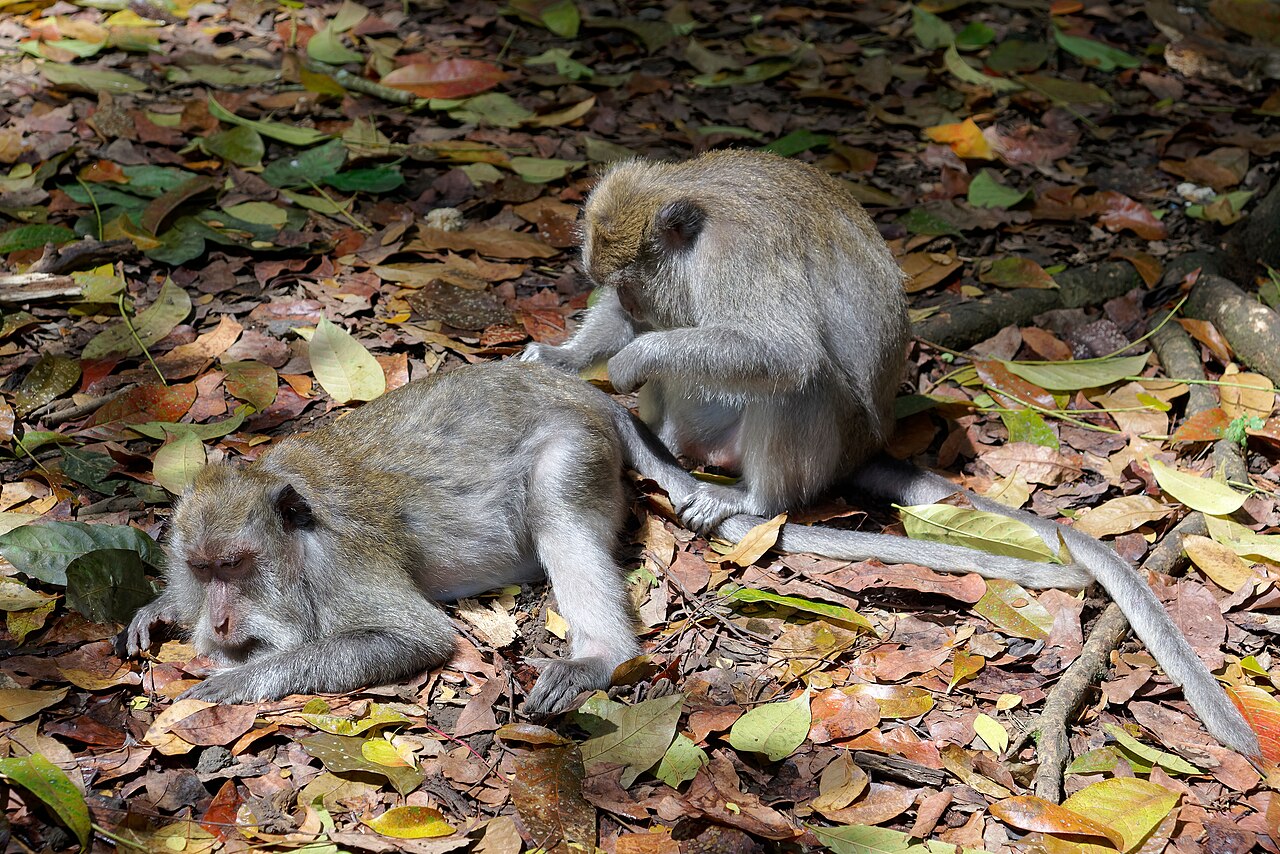
Ubud has no beach. What it has instead — Tegallalang rice terraces, the Campuhan Ridge Walk at sunrise, the Ayung River gorge, monkey-filled forests, dozens of waterfalls within a short drive — is arguably more memorable. If your trip is about lush green landscapes and temple valleys, no coastal area delivers that. The best Bali waterfalls are mostly day trips from Ubud.
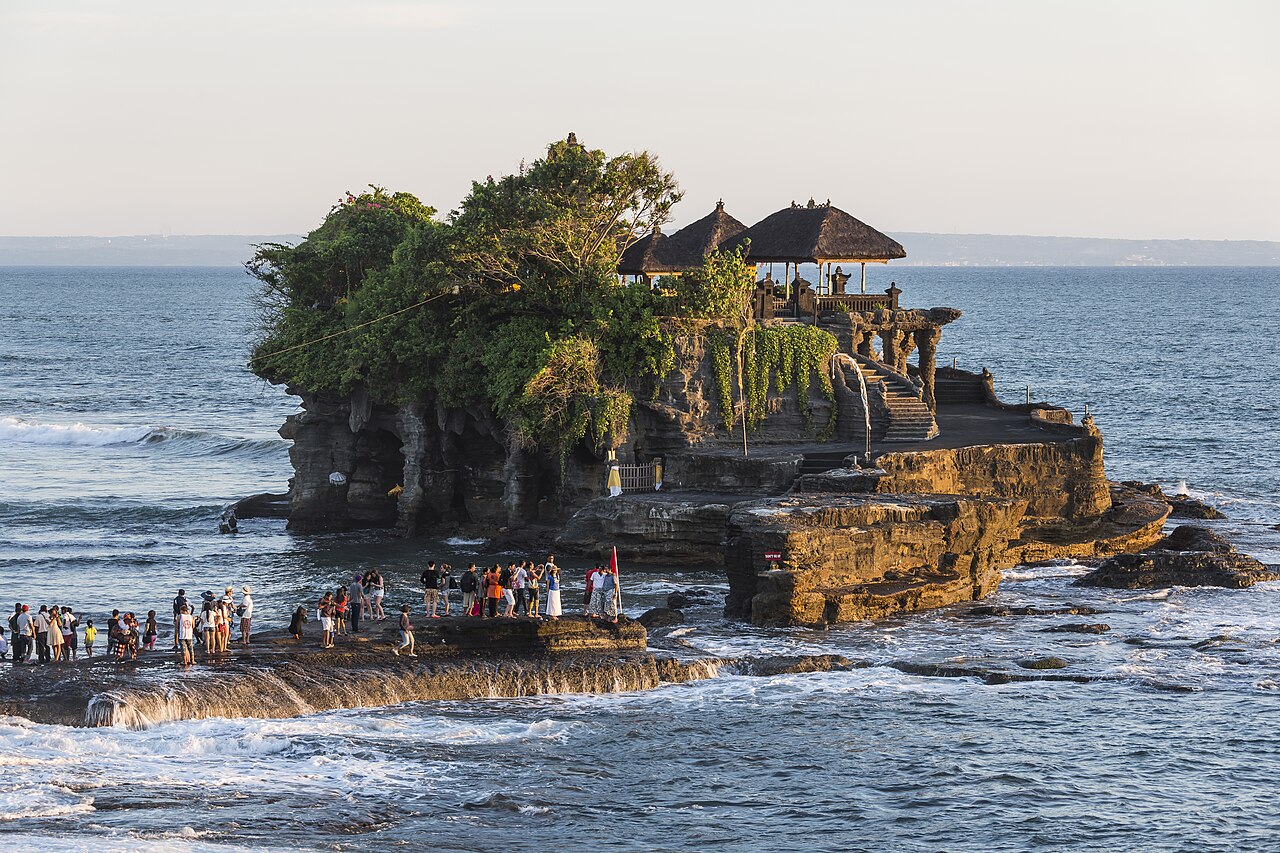
Canggu has several distinct beaches. Batu Bolong is the most popular — black-sand, consistent surf, a temple perched on the rocks at the south end. Echo Beach is wider and draws more advanced surfers. Berawa to the south is calmer and less crowded. The sand is volcanic and gets scorching in afternoon sun. These beaches are for surfing and sunsets, not calm swimming — the waves and currents are strong. Inland, the Pererenan paddies are lovely at sunrise.
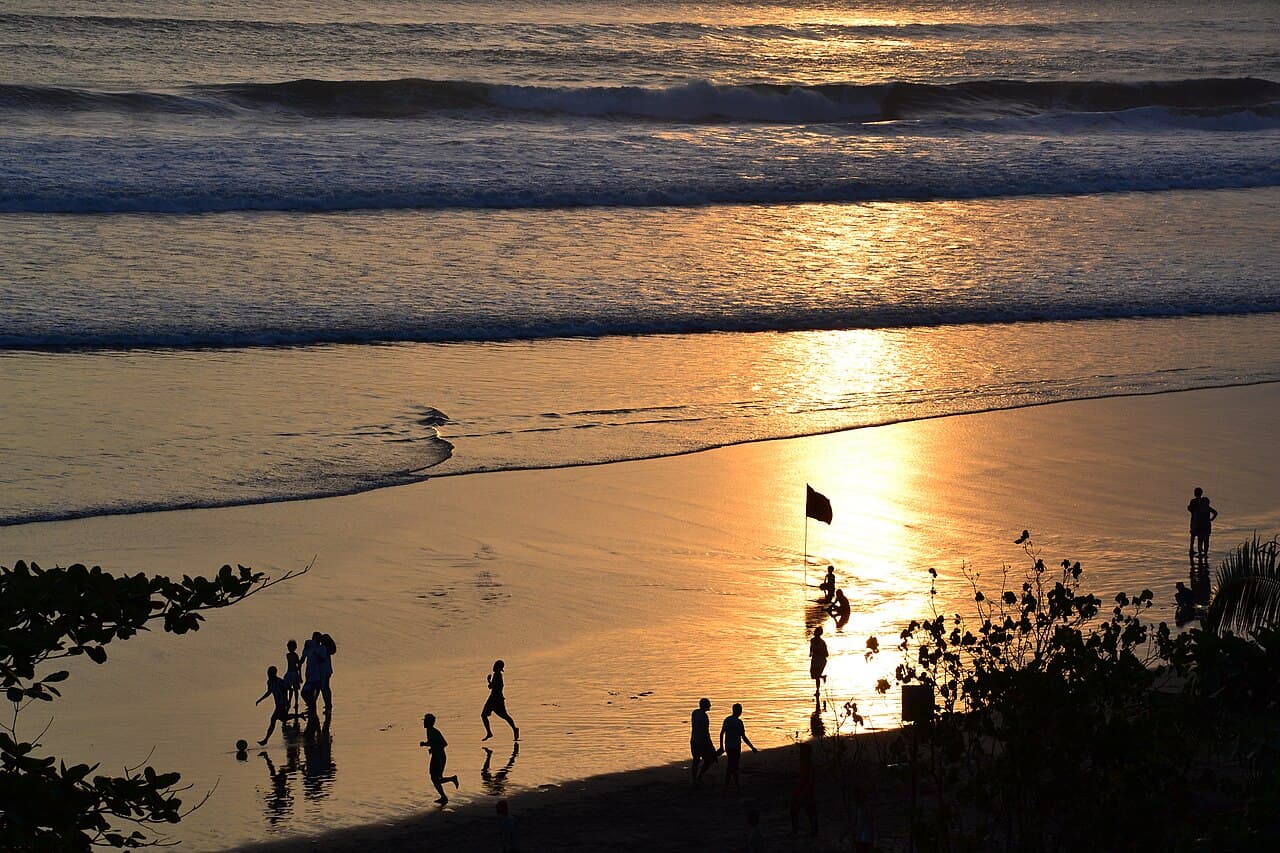
Seminyak has the widest, most accessible beach of the three coastal areas. Lighter sand, broad shoreline, generally calmer waves than Canggu. More suitable for families or anyone who wants to swim rather than surf. Major beach clubs set up loungers along this stretch and sunset is the main event. For white sand and turquoise water, day trip to Nusa Penida, the Gili Islands, or head east to Sanur for a calmer base with reef-protected swimming.
Food and dining
Ubud has the most interesting food scene of the three, in our opinion. Family-run warungs serve authentic Balinese — nasi campur, babi guling, lawar — at prices that barely register. An exceptional organic and health-food cafe scene built around the yoga community. Cooking classes here are genuinely worth doing — see our cooking class service and the broader Bali food guide.
Canggu is where international food culture meets Bali. Enormous brunch scene — acai bowls, avocado toast, specialty coffee — with new cafes opening almost weekly. Excellent Mexican, Japanese, Italian, and Middle Eastern food at mid-range prices. What it lacks is depth in traditional Balinese dining; warungs exist but they are outnumbered by spots serving the nomad and surfer crowd. Eat international for lunch, hunt warungs in residential streets for dinner.
Seminyak is the fine-dining capital of Bali. Chef-driven restaurants, creative cocktail bars, multi-course tasting menus that justify getting dressed up. Beach club food ranges from decent to excellent and the cocktail game is on another level. If a memorable dinner is important to your trip, this is the area.
Nightlife and social scene
Ubud is quiet after dark and that is the point. Evenings are for traditional Legong or Kecak dance, sound healing, the night market, or sitting on a terrace listening to the jungle. Wine bars and cocktail spots exist in the center, but nobody comes to Ubud for nightlife.
Canggu has the most varied nightlife of the three. Surf bars host live music several nights a week. Nomad-community events — open mics, film screenings, networking. On weekends a few beach clubs and bars push into proper club territory with DJs until late. The social scene is easy to plug into solo: a communal table at any popular cafe and you have a conversation within minutes.
Seminyak is where nightlife gets serious. Large-scale beach clubs with international DJs, pool parties, bottle service. A dense strip of bars, rooftops, and clubs that stay open later than anywhere else. If dancing until 3 AM matters, Seminyak wins. The flavor skews louder and more commercial than Canggu's.
Cost — the honest summary
Ubud is the most affordable overall. No beachfront premium, so a private villa with a pool and rice-field views costs significantly less than an equivalent property in Seminyak. Warungs are the cheapest eating in Bali. Temple visits, rice walks, and most yoga classes are free or near-free. Where Ubud costs more is transport — day trips to the coast or waterfalls need a private driver.
Canggu sits in the middle. Accommodation has risen sharply as nomad demand pushed prices up, but it is still cheaper than Seminyak. Food costs vary wildly — a USD 3 warung lunch and a USD 18 brunch live on the same street. Coworking adds a daily cost the other two areas do not impose if you are working remotely.
Want us to plan this trip for you?
Our certified guide will create a personalized itinerary based on your interests, pace, and travel style.
Get Your Free ItinerarySeminyak is the most expensive of the three. Pricier accommodation (especially anything beach-adjacent), a dining scene tilted toward mid-range and upscale, and beach-club premiums on entry, cocktails, and nightlife. That said, Seminyak luxury is still cheaper than Phuket, the Maldives, or Hawaii.
Best value by budget:
- Budget travelers: Ubud, then Canggu
- Mid-range: Canggu or Ubud (best villa value)
- Luxury: Seminyak (upscale dining and beach clubs) or Ubud (private luxury villas at lower coastal prices)
For families
Ubud is the strongest choice for families, especially with younger children. Manageable pace, genuinely educational cultural activities, calm environment. Kids love the Monkey Forest, rice paddy walks, and cooking classes. Family-friendly villas with private pools and gardens at reasonable prices are easy to find. The lack of beach is a trade-off, but most families find more than enough to fill their days. See our Bali with kids guide.
Canggu works for families with older kids who want surf and a beach-oriented trip. Surf schools are excellent and welcoming to beginners of all ages. Roads are hectic, traffic is heavy, and some pockets lean into the party crowd — choose Berawa or Pererenan over the area around Batu Bolong if calm matters.
Seminyak is good for resort-style family trips. Bigger hotels with kids' clubs, family pools, and organized activities. The beach is calmer for swimming than Canggu's. Downside: Seminyak's identity is built around dining and nightlife, so the area comes alive at exactly the hour most families with young children want things to quiet down.
For couples
Ubud is the most romantic of the three. Private villas tucked into jungle or above rice terraces, couples spa, sunrise on the Campuhan Ridge, candlelit dinners in garden restaurants. It is the default choice for honeymooners — see our Bali honeymoon guide.
Canggu suits couples who want to be active together. Surf in the morning, share a long brunch, explore rice fields in the afternoon, sunset at a beach bar. Casual and fun rather than traditionally romantic.
Seminyak is the date-night capital. Sunset cocktails, multi-course dinner, rooftop drinks — Seminyak makes a memorable evening easy to engineer. Couples who enjoy food, wine, and going out get the most from this area.
Getting around (and the traffic reality)
The three are close geographically but can feel far apart in Bali traffic.
- Ubud to Canggu: about 45 minutes to 1.5 hours
- Ubud to Seminyak: about 50 minutes to 1.5 hours
- Canggu to Seminyak: about 20 to 40 minutes
Southern Bali traffic is unpredictable. A 25-minute drive at 7 AM can take over an hour at 5 PM. This is why most of our travelers hire a private driver for moves between areas — the driver knows the back roads, handles the chaos, and you arrive relaxed. Within each area: Ubud is somewhat walkable in the center but you need transport for anything outside town; Canggu is spread out, scooter-dominant, and stressful for inexperienced riders; Seminyak is the most walkable of the three.
If you are combining two areas, book accommodation in each and move bags once rather than commute daily. A driver can turn the transfer into a sightseeing day along the way. Distances are surprisingly addable — sanity-check your route with the Bali Distance Calculator before you book.
Our recommendation (after years of doing this)
For first-time visitors with seven or more days, the pattern that works best is: start in Ubud, then move to the coast.
Ubud first lets you adjust to the climate, shake jet lag in calm, and absorb Balinese culture before the south coast's beach-and-party energy. Two to three nights is enough for most travelers to see temples, walk the terraces, and feel the rhythm of the island. Then move to Canggu (surf-and-cafe people) or Seminyak (dining-and-nightlife people). Ten or more days, do all three. Add a third area like Uluwatu on the Bukit Peninsula if cliffs and world-class surf appeal.
For seven days or longer, splitting between two areas is almost always the right call. Our 7-day Bali itinerary and 10-day Bali itinerary both use this split-base approach. If you want a trip designed around your specific interests, group size, and budget, our custom itinerary service builds the day-by-day so you do not waste time in the wrong place.
Frequently Asked Questions
Is it better to stay in Ubud or Canggu?
It depends entirely on the trip you want. Ubud wins for culture, nature, and relaxation. Canggu wins for surfing, social energy, and a beach-adjacent lifestyle. If you have the time, stay in both — they complement each other perfectly. Most travelers who split tell us Ubud was the highlight for experiences and Canggu for fun.
Can I do day trips between Ubud, Canggu, and Seminyak?
Yes, but factor in traffic. Drives range from 20 minutes to 1.5 hours depending on time of day. Day trips work best with a private driver who knows the back roads. Daily commuting between areas is exhausting — split your stay if you want to experience more than one neighborhood properly.
Which area is safest for solo travelers?
All three are safe for solo travelers. Ubud is the calmest and most introspective option. Canggu has the strongest solo-traveler social scene — coworking, surf lineups, communal cafes make meeting people easy. Seminyak is fine for solo travelers but skews toward couples and groups in the evening. See the full solo travel in Bali guide.
Where should I stay for my first time in Bali?
For a first visit of seven or more days, split between Ubud and one coastal area. Ubud gives you the cultural foundation that makes the rest of Bali make sense. Then choose Canggu for a relaxed beach vibe or Seminyak for dining and nightlife. Our first-timers guide walks through this in detail.
Is Seminyak too touristy in 2026?
Seminyak is the most developed and commercially oriented of the three, and some travelers find it lacks Ubud's authenticity or Canggu's rawness. But "touristy" is not the same as "bad." The restaurants are genuinely excellent, the beach is beautiful, and the infrastructure makes it the most convenient base in Bali. Pair a few nights here with time in Ubud or a less-developed area like Sidemen, Amed, or Sanur for the best of both worlds.
How many nights should I stay in each area?
For a 7-night trip: 3 nights Ubud + 4 nights Canggu OR Seminyak. For 10 nights: 3 Ubud + 4 Canggu + 3 Seminyak, or swap one coastal stay for Uluwatu or Sanur. For 14 nights: add a Nusa island or East Bali (Sidemen or Amed) into the mix.
Which area has the best value villas in 2026?
Ubud — by a clear margin. Private-pool villas in jungle or rice-field settings start around USD 70/night in 2026 for a one-bedroom. Equivalent quality in Seminyak starts at USD 130-180. Canggu sits in between, with strong USD 90-150 villas in Pererenan and Berawa.
Can I work remotely from all three areas?
Yes, but Canggu is built for it — the densest coworking infrastructure (Tropical Nomad, BWork, Outpost), reliable fiber, and a community designed around laptops and short calls. Ubud has Hubud and several quieter coworks; great for deep work, less for networking. Seminyak has fewer dedicated coworks; most remote workers there work from cafes or villa offices. See our Bali digital nomad guide.
What about beach clubs — where are the best?
Seminyak hosts the largest, most internationally-known beach clubs (the names you already know). Canggu has a younger, surf-flavored beach club scene that is often more fun if you are under 35. Ubud has no beach clubs but has several jungle-and-pool day clubs that play a similar role at a calmer tempo. For pure white-sand beach club, day-trip to Jimbaran or the Bukit.
Is it worth combining Ubud and Seminyak (skipping Canggu)?
Yes, if you are not interested in surfing or remote work and you want polished dining and nightlife. Ubud + Seminyak is a classic honeymoon split (jungle romance + coastal date nights). The drive between them is around 50-90 minutes and a private driver can turn it into a temple-and-coffee day along the way.
How do I decide quickly without reading all of this?
Try our Bali Region Picker — answer 6 questions and it tells you which combination fits your trip style. Or message us on WhatsApp via the contact page and a guide will help you pick in a few minutes.
Planning a trip and unsure where to base yourself? We help travelers build custom itineraries that combine the right areas for their style, budget, and group. As a family of certified guides who speak French, Mandarin, and English and know every corner of these neighborhoods, we will get it right the first time — get in touch and we will help.
Related Guides
<!-- internal-link-sweep:2026-04-29 -->
Certified Travel Guide & Co-Founder
A certified Bali guide credentialed by the Indonesian Ministry of Tourism, fluent in French, Mandarin, English, and Indonesian. Part of a family of certified guides who have been guiding travelers across Bali for many years — sharing temples, rice terraces, and hidden corners that never make the brochures.
Languages: French · Mandarin · English · Indonesian
Ready to discover Bali?
Tell us about your dream trip and our local experts will craft a personalized experience just for you.
Start Planning