Best Waterfalls in Bali 2026: 10 Real Local Picks (Skip the Crowds)
A certified local guide ranks Bali's 10 best waterfalls for 2026 — Sekumpul, Tukad Cepung, Banyumala and more. 2026 entry fees, drive times from Ubud, hike difficulty, swimming spots, safety notes and the hidden gems most travelers miss.
In This Guide
- Who's writing this
- Bali waterfalls 2026 comparison table
- 1. Sekumpul Waterfall — the one everyone should see
- 2. Tukad Cepung — the cave waterfall
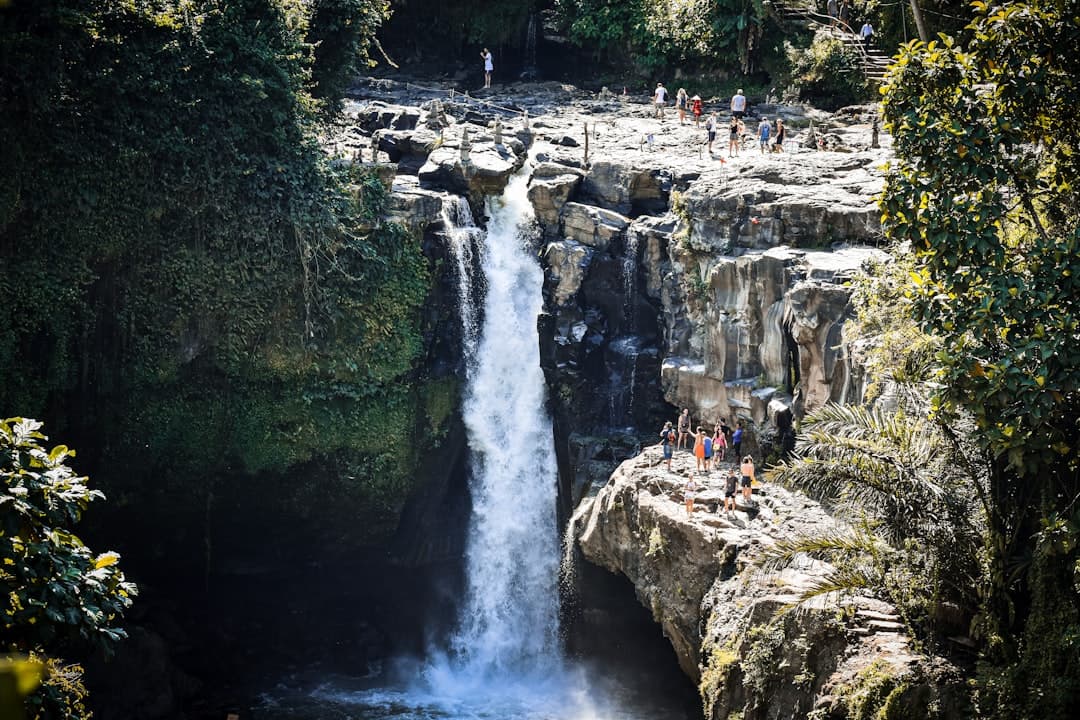
- 3. Tegenungan — the most accessible
- 4. Tibumana — best easy fall near Ubud
- 5. Banyumala Twin Waterfalls — our favourite hidden gem
- 6. Aling-Aling — the swimming hole + cliff jumps
- 7. Nungnung — raw power
- 8. Munduk Waterfalls — three falls in one trek
- 9. Kanto Lampo — the cascading staircase
- 10. Gitgit Waterfall — the classic
- Hidden gems most blogs miss
- Leke Leke Waterfall
- Pengibul Waterfall
- Pucak Manik (Munduk area)
- How to choose your waterfall by traveler type
- Best time to visit Bali waterfalls
- Waterfall safety in Bali — read this before you go
- Skip these waterfalls in 2026
- Planning your waterfall day — three real itineraries
- North Bali Loop (full day, ~12 hours)
- Central Highlands (half day from Ubud, ~5 hours)
- Eastern Quiet Route (half day, ~5 hours)
- Waterfall photography — what actually works
- What to bring
- FAQ — Bali waterfalls 2026
- What's the best waterfall day trip from Ubud?
- Can you swim in Bali waterfalls?
- Are drones allowed at Bali waterfalls?
- Do you need a sarong at Bali waterfalls?
- How much do entry fees total for a 3-waterfall day in 2026?
- How far are Bali waterfalls from Seminyak / Canggu / Kuta?
- Sunrise vs midday — which is better for Bali waterfalls?
- Are there mosquitoes at Bali waterfalls?
- Sekumpul vs Tegenungan — which should I pick?
- Is rainy season too dangerous for waterfalls?
- Is Banyumala worth it over Sekumpul?
- Ready to plan your Bali waterfall day?
- Related Guides
Bali has more than 50 waterfalls scattered across its volcanic highlands, but most visitors only see one or two — usually the overcrowded ones near Ubud. The island's most spectacular falls are tucked into jungle valleys in the north and east, where the roads narrow, tourist buses disappear, and the landscape feels like a different world.
This is our honest 2026 ranking — the 10 waterfalls in Bali we keep coming back to, with real entry fees, real drive times and real safety notes. If you want a bigger picture, our 7-day Bali itinerary and 10-day itinerary both include waterfall days.
Quick answer (2026): The best waterfalls in Bali by category are:
- Best overall — Sekumpul (80m three-tier cascade, north Bali, IDR 30,000) and Tukad Cepung (cave waterfall with golden light shafts 9–11 AM, Bangli, IDR 25,000).
- Most accessible — Tegenungan (10-minute walk, 30 minutes from Ubud, IDR 20,000) and Tibumana (10-minute walk, swimming pool, IDR 15,000).
- Hidden gem — Banyumala Twin Falls (north Bali highlands, side-by-side cascades, far fewer visitors than Sekumpul, IDR 30,000).
A private driver (IDR 600,000–800,000 / day in 2026) is essential — most of these falls are 1.5–2.5 hours from Ubud on winding mountain roads.
Who's writing this
Our family of certified FR+ZH guides has taken visitors to every waterfall on Bali for years. We are an Indonesian family from Medan, based in Bali, and we run private guided tours in French and Mandarin. These are the 10 worth going to in 2026 — ranked honestly, not by Instagram trendiness. Where we say "skip it," we mean it.
Bali waterfalls 2026 comparison table
This is the table we wish someone had given us when we started guiding. All entry fees are 2026 prices verified at the gate; drive times are from central Ubud on dry-season roads.
| Waterfall | Region | Drive from Ubud | Entry fee (2026 IDR) | Hike difficulty | Swimming | Crowd level | Photo rating | Best time of day | Our verdict |
|---|---|---|---|---|---|---|---|---|---|
| Sekumpul | North (Singaraja) | ~2h 15m | 30,000 + 50,000 trek fee | Hard (steep 30 min descent + return) | No (river crossing only) | Medium | 10/10 | 7–9 AM | Bali's most spectacular fall. Worth the drive. |
| Tukad Cepung | Bangli | ~45 min | 25,000 | Moderate (15 min, ankle-deep wading) | No (cave only) | Medium-high | 10/10 | 9–11 AM (golden rays) | Unique cave-light shot — go on a sunny morning. |
| Tegenungan | Gianyar | ~30 min | 20,000 | Easy (10 min steps) | Yes (downstream pools) | Very high | 7/10 | Before 8 AM | Closest to Ubud, expect crowds — sunrise only. |
| Tibumana | Bangli | ~40 min | 15,000 | Easy (10 min path) | Yes (clear pool) | Low-medium | 8/10 | 7–10 AM | Best easy + swim combo near Ubud. |
| Banyumala Twin | North highlands | ~2h | 30,000 | Moderate (20 min bamboo descent) | Yes (wide pool) | Low | 9/10 | Mid-morning | Hidden gem — twin cascade, half Sekumpul's crowd. |
| Aling-Aling | North (Sambangan) | ~2h 15m | 20,000 + 125,000 guide | Moderate (mandatory guide) | Yes (slides + jumps) | Medium | 8/10 | 9–11 AM | Most fun — cliff jumps and natural waterslides. |
| Nungnung | Petang highlands | ~1h | 20,000 | Hard (500+ steps return) | Yes (cold pool) | Low | 9/10 | 8–10 AM | Most powerful single drop. Real workout. |
| Gitgit | North (Singaraja) | ~2h 15m | 20,000 | Easy (10 min) | No (rocky) | Medium | 7/10 | 8–10 AM | Classic. Pair with Sekumpul as warm-up. |
| Kanto Lampo | Gianyar | ~25 min | 15,000 | Easy (5 min) | No (shallow) | High | 8/10 | Before 8 AM | Photogenic stair-cascade — arrive at opening. |
| Munduk Trek | North-central | ~1h 45m | 25,000 | Moderate (2–3h circuit) | Yes (Munduk pool) | Low | 9/10 | 7–10 AM | Three falls in one walk. Best half-day trek. |
We've also included a "skip" list at the end — popular waterfalls that disappointed us — so you don't waste a day.
1. Sekumpul Waterfall — the one everyone should see
Sekumpul is often called the most beautiful waterfall in Bali, and for once the hype is justified. Located in the northern highlands near Singaraja, it's actually a cluster of falls cascading through dense tropical jungle. The main drop is around 80 meters and the spray creates permanent rainbows on sunny mornings. Our French version of this story has more detail: cascade Sekumpul.
2026 entry fee: 30,000 IDR + 50,000 IDR mandatory trek fee (covers local guide and trail maintenance). Combined with neighbouring Fiji Falls, the fee jumps to 125,000 IDR.
Drive time: ~2h 15m from Ubud, 90 min from Munduk. The roads north are winding and poorly signed — this is one of the main reasons having a private driver actually matters.
Hike: ~30 minutes down through rice paddies and jungle trail. Steep and slippery after rain — wear proper shoes, not flip-flops. You cross a shallow river at the bottom to reach the main viewing area.
Best time: 7–9 AM. The falls face east, so morning sun lights up the spray. Rainy season (Nov–Mar) means more water volume but muddier trails.
Our verdict: 10/10. If you only do one waterfall in Bali, do this one. Pair with Munduk for a north-Bali overnight.
2. Tukad Cepung — the cave waterfall
Tukad Cepung is unlike any other waterfall you've seen. The water falls through a gap in a cave ceiling, creating shafts of light that cut through the mist. When the sun is at the right angle (between 9 and 11 AM on a clear day), the whole cave fills with golden light.
2026 entry fee: 25,000 IDR.
Drive time: ~45 minutes east of Ubud, in Bangli regency.
Hike: ~15 minutes through a narrow river gorge. You'll get wet — the final approach means wading through ankle-deep water. Bring a dry bag for your phone.
Best time: 9–11 AM, sunny day only. On overcast mornings the famous "light beams" don't appear and you'll be queuing in mist for nothing. Check the weather first.
Our verdict: 10/10 on a clear day, 5/10 on a cloudy one. Pairs well with a morning at Tirta Empul or a drive through the Kintamani volcanic ridge.
3. Tegenungan — the most accessible
Tegenungan is the most-visited waterfall in Bali because it's only 30 minutes from Ubud and the access is genuinely easy: a wide stone staircase, handrails, food stalls and viewpoints from the top.
2026 entry fee: 20,000 IDR (foreigners), parking 5,000 IDR.
Drive time: ~30 minutes from Ubud, ~1 hour from Canggu.
Hike: ~10 minutes down well-maintained steps.
Swimming: Not safe at the base of the main fall (strong current and rocks), but downstream pools are popular and the water is clear most of the dry season.
Best time: Before 8 AM. By 10 AM it's packed with day-tour buses. After 4 PM the late light is also good but crowds linger.
Our verdict: 7/10. Beautiful but heavily commercialised — coffee shops, swing platforms, photo props. If you have time, swap it for Tibumana.
4. Tibumana — best easy fall near Ubud
If you want a beautiful waterfall without a serious hike, Tibumana is the one. The walk from the parking area takes about 10 minutes down a well-maintained path with steps and railings. The falls drop into a clear pool surrounded by jungle, and swimming is easy.
2026 entry fee: 15,000 IDR.
Drive time: ~40 minutes east of Ubud.
Hike: ~10 minutes on a graded path.
Best time: 7–10 AM. Tibumana is popular but rarely as packed as Tegenungan, which most tour groups visit instead.
Our verdict: 8/10. The easiest "real" waterfall experience near Ubud. See our guide to things to do in Ubud for combining it with other nearby attractions.
5. Banyumala Twin Waterfalls — our favourite hidden gem
Banyumala is in the same northern highlands as Sekumpul but sees a fraction of the visitors. Two streams of water fall side by side into a wide pool, and the surrounding jungle is thick and green. We send couples here when they want a "Sekumpul vibe" without the steady stream of trekkers.
2026 entry fee: 30,000 IDR.
Drive time: ~2 hours from Ubud, 30 minutes from Munduk.
Hike: ~20 minutes down through bamboo forest. Moderate — there are some steep wooden steps but they are well maintained.
Swimming: Yes — the wide pool at the base is one of the best swimming spots on the island.
Best time: Mid-morning (9–11 AM) when light hits the twin falls.
Our verdict: 9/10. Pairs perfectly with the Wanagiri Hidden Hills viewpoints and the twin lakes of Buyan and Tamblingan. Strong "north Bali day" combo with Sekumpul.
6. Aling-Aling — the swimming hole + cliff jumps
Aling-Aling in north Bali is famous for its natural waterslides and cliff jumps. The main waterfall is about 35 meters and stunning to look at, but the real draw is the series of smaller cascades below where you can slide down natural rock chutes and jump from ledges of varying heights (5m, 10m, 15m).
2026 entry fee: 20,000 IDR + 125,000 IDR mandatory local guide.
Drive time: ~2h 15m from Ubud. Closest base: Munduk or Lovina.
Hike: Moderate. The guide will show you the safe spots for jumping and sliding.
Best time: 9–11 AM (warmer water).
Our verdict: 8/10. The most fun waterfall experience in Bali if you like adventure. Not for nervous swimmers — the cliff jumps are real cliffs.
7. Nungnung — raw power
Nungnung is the most powerful waterfall on this list. The single drop plunges about 50 meters into a massive natural pool, and the roar of water is deafening during peak flow. It feels genuinely wild and untouched.
2026 entry fee: 20,000 IDR.
Drive time: ~1 hour north of Ubud, ~1 hour from Canggu.
Hike: ~500 steps down (and back up) through steep jungle. This is a real workout — budget 90 minutes round trip including time at the falls.
Best time: 8–10 AM, before the heat. Bring water.
Our verdict: 9/10 if you can do the steps. Combines well with Jatiluwih rice terraces on the same day. See things to do in Canggu for a full route.
8. Munduk Waterfalls — three falls in one trek
The Munduk area in north-central Bali has three waterfalls you can visit on a single jungle trek: Munduk Waterfall, Melanting Waterfall, and Golden Valley Waterfall. The trail connecting them winds through clove and coffee plantations with mountain views the entire way.
2026 entry fee: 25,000 IDR for the full trek (paid at the trailhead).
Drive time: ~1h 45m from Ubud.
Hike: Full circuit is 2–3 hours at a comfortable pace. Rolling elevation; a local guide is helpful for navigation since trail markers are minimal.
Swimming: Yes — Munduk Waterfall has a natural pool at the base.
Our verdict: 9/10. Best half-day trek on the island. Pair with a Munduk overnight for a complete mountain experience.
9. Kanto Lampo — the cascading staircase
Kanto Lampo near Gianyar has water that cascades over terraced rock formations, creating a natural staircase effect. It's photogenic and easy to reach — only a 5-minute walk from the road.
2026 entry fee: 15,000 IDR.
Drive time: ~25 minutes from Ubud.
Hike: 5-minute walk + a few rocks to scramble for the iconic shot.
Best time: Before 8 AM. By 9 AM there's a queue for the photo spot.
Our verdict: 8/10 if you arrive at opening, 5/10 if you arrive after 9 AM.
10. Gitgit Waterfall — the classic
Gitgit was one of the first waterfalls in Bali to become a tourist attraction, and it remains a solid choice. The 40-meter drop is impressive, the path is well-maintained, and there are local warungs near the parking area for coffee or lunch.
2026 entry fee: 20,000 IDR.
Drive time: ~2h 15m from Ubud — but it's only 10 minutes south of Singaraja, so it pairs naturally with Sekumpul on a north Bali loop.
Hike: ~10 minutes on a paved path.
Our verdict: 7/10 on its own, 9/10 as part of a Sekumpul + Banyumala + Gitgit loop.
Hidden gems most blogs miss
These don't make the "top 10" but they're worth knowing about if you want to escape the crowds completely.
Leke Leke Waterfall
A tall, thin waterfall that drops through a narrow jungle gorge. The walk in takes about 15 minutes across a bamboo bridge and through dense vegetation. Rarely crowded, and the setting feels intimate.
- Entry: 25,000 IDR (2026, includes welcome drink)
- Drive from Ubud: ~1 hour
- Best for: Couples, photographers wanting solitude
Pengibul Waterfall
A two-tier fall in a moss-covered amphitheatre near Gianyar. The trail is short but slippery. Almost no foreign visitors.
- Entry: 15,000 IDR
- Drive from Ubud: ~40 minutes
- Best for: Travelers who've already done Tegenungan and Tibumana
Pucak Manik (Munduk area)
A "secret" waterfall at the end of a 30-minute jungle path through a clove plantation. The pool is deep and clean and you'll often have it to yourself.
- Entry: 20,000 IDR
- Drive from Ubud: ~2 hours (combine with Munduk overnight)
- Best for: Trekkers, swimmers, anyone tired of selfie-stick queues
How to choose your waterfall by traveler type
After years of guiding, we've learned that "the best waterfall in Bali" depends entirely on who's asking. Here are the picks we actually give to different travelers.
Want us to plan this trip for you?
Our certified guide will create a personalized itinerary based on your interests, pace, and travel style.
Get Your Free ItineraryHoneymoon couples — Banyumala Twin Falls + a Munduk overnight. Twin cascades, swimmable pool, and the drive through clove plantations is part of the experience. Skip Tegenungan completely; it's too commercial for a romantic morning.
Families with young kids (5–10) — Tibumana + Kanto Lampo. Both have short, manageable paths, swimmable shallow pools, and minimal exposure to drops or river crossings. Avoid Nungnung (500 steps will end the day) and Sekumpul (steep slippery descent).
Photographers — Tukad Cepung at 10 AM on a sunny day, then Sekumpul the following morning at 7 AM. These are the two most distinctive waterfall images in Bali. Add Kanto Lampo at opening for the cascading-stairs shot.
Adventure travelers — Aling-Aling (cliff jumps + slides) + Munduk full circuit. Combine into a north-Bali two-day trip with overnight in Munduk village. This is also our pick for solo travelers in their 20s.
Luxury travelers short on time — Tukad Cepung + Tibumana morning, then back to your villa by 1 PM. A private driver makes this seamless and you skip the worst crowds.
First-time Bali visitors with 3 days — Tegenungan at sunrise (60-second photo, 30 minutes total), then prioritise other Bali experiences. Don't burn a full day on north-Bali waterfalls if your week is tight; better to see Uluwatu temples and Ubud rice fields properly.
Repeat Bali visitors — Banyumala + Pucak Manik + Sekumpul. The "second-trip" loop. You've seen the famous ones; now go quieter and deeper.
Best time to visit Bali waterfalls
Bali's waterfalls have two distinct seasons.
Rainy season (November–March) — peak waterfalls. Water volume is at its highest, the jungle is dense and green, mist creates dramatic light. But: trails are muddy and slippery, river crossings rise quickly, and flash flood risk is real (more on safety below). This is when waterfalls are most photogenic but also most dangerous. Our Bali rainy season guide has full month-by-month detail.
Dry season (April–October) — clearer water, easier trails. Some smaller falls (Kanto Lampo, Pengibul) drop noticeably in volume by August–September, but the big ones (Sekumpul, Nungnung, Munduk) remain impressive year-round. Trails are dry, sun cooperates with photography, and crowds are bigger — go early.
Sweet spot: Late April to early June. Trails are drying out, water volume is still high, crowds haven't peaked yet. This is when we book most of our waterfall day trips. For month-by-month weather, see best time to visit Bali.
Time of day: Always go early. Most falls open at 7 AM. Arriving by 7:30–8 AM means cooler temperatures, better light, and crowds that haven't woken up yet. Tukad Cepung is the only exception — its golden light only appears 9–11 AM.
Waterfall safety in Bali — read this before you go
Every year there are incidents at Bali's waterfalls. Most are preventable. We tell every guest these four rules.
1. Flash floods are real. During and just after heavy rain, narrow gorge waterfalls (Tukad Cepung, Aling-Aling, sections of the Munduk trek) can flood within minutes. If the river suddenly turns brown or rises, leave immediately — don't wait to see what happens. Several tourists have died at Tukad Cepung from flash floods after upstream rain.
2. Slippery rocks cause most injuries. The combination of moss, mineral water and humidity makes every surface treacherous. Wear hiking sandals or water shoes with proper grip — never flip-flops, never barefoot, never smooth-soled trainers. We've seen broken ankles at Tibumana, Sekumpul and Aling-Aling.
3. Don't swim under the main drop. The hydraulic force of falling water can hold a swimmer underwater. Stay in the calm sections of pools, not directly beneath the cascade. This applies even at "swimmable" falls like Tibumana and Banyumala.
4. Cliff jumping at Aling-Aling — only with the guide. The mandatory local guide knows which jumps are safe and which depths fluctuate. Don't improvise. The 15m jump is for confident swimmers only.
Other practical safety: Tell someone your route. Don't visit remote falls alone after rain. Keep your phone in a dry bag — falling phones into pools is the #1 reason guests panic at the bottom of Sekumpul. If you're injured, mobile signal is patchy in north Bali — your driver is your evac plan, which is one more reason to have a private driver rather than a scooter rental.
Skip these waterfalls in 2026
A short, honest list. We don't take guests to these and we don't recommend them.
- Tukad Cepung at 11 AM on a cloudy day — the famous light beams don't appear, you queue with 60 people, and you get wet for nothing. Reschedule.
- Tegenungan after 9 AM — completely overrun. Substitute with Tibumana.
- Tibumana on Sundays — local families fill the small swimming pool. Go on a weekday.
- Sekumpul without proper shoes — we've sent people back to their hotel. The trail is genuinely dangerous in flip-flops.
- Any Nusa Penida waterfall during big swell — the staircase down to Peguyangan is exposed and the swell forecast matters more than people realise.
Planning your waterfall day — three real itineraries
North Bali Loop (full day, ~12 hours)
Our most-requested waterfall route.
Stops: Sekumpul → Banyumala Twin → Gitgit → lunch in Singaraja → return. Drive total: ~5 hours. Best for: Travelers prioritising the most spectacular waterfalls. Pairs with: A Munduk overnight if you want to break the drive.
Central Highlands (half day from Ubud, ~5 hours)
Stops: Tukad Cepung → Tibumana → Kanto Lampo. Drive total: ~1.5 hours. Best for: Travelers based in Ubud with limited time. Pairs with: Tegalalang rice terrace for a full Ubud-area day.
Eastern Quiet Route (half day, ~5 hours)
Stops: Leke Leke → village walks in Sidemen → local warung lunch. Drive total: ~2 hours. Best for: Travelers seeking the "real Bali" away from main tourist zones. Pairs with: A Sidemen overnight or a temple morning at Pura Lempuyang.
A driver who knows these roads can fit 2 to 3 waterfalls into a single day, time arrivals for the best light and smallest crowds, and handle the logistics while you focus on the experience. We've found this is genuinely one of the situations where hiring a private driver makes your day dramatically better — and a sensible safety choice for north-Bali roads.
Waterfall photography — what actually works
We've taken thousands of photos at these falls. The shortlist of what matters:
- Timing. 6–9 AM at almost every fall. 9–11 AM only at Tukad Cepung (the cave-light shot). Avoid 11 AM–3 PM — harsh overhead sun, deep shadows.
- ND filter or long exposure. For silky water, use an ND filter or your phone's long-exposure mode (iPhone Live Photo → Long Exposure works well). Without it, water often looks frozen.
- Foreground. Rocks, jungle leaves, a person wading — anything to give scale. A waterfall shot from far away rarely conveys the height.
- Dry bag + microfibre cloth. Mist destroys lens shots and phone speakers. Wipe constantly.
- RAW if you have a real camera. The jungle/sky contrast is brutal in JPEG.
For a deeper dive, we run guided sunrise photography experiences at Sekumpul and Nungnung — small groups, focus on composition, and we get you to the trailhead before any other visitors arrive.
What to bring
- Water shoes or hiking sandals with grip (Teva, Keen, or local rubber sandals — IDR 80,000 in any market)
- Dry bag for phone and camera
- Quick-dry clothing + a change for the drive back
- Reusable water bottle
- Light raincoat (Nov–Mar)
- Sunscreen for exposed sections of trail
- Small cash (IDR 200,000 covers entry + parking for a 3-fall day)
- Sarong if you plan to combine with a temple visit
A sarong is not required at any waterfall in 2026 — that rule applies to temples, not waterfalls. Don't let a parking-lot tout sell you one.
FAQ — Bali waterfalls 2026
What's the best waterfall day trip from Ubud?
For most travelers, the best day trip from Ubud is the Tukad Cepung + Tibumana + Kanto Lampo loop — three contrasting falls within 90 minutes' drive total, all easy to moderate hikes, completed in 4–5 hours. If you have a full day and don't mind a 2-hour drive each way, do the Sekumpul + Banyumala + Gitgit north-Bali loop instead — that's the trip for travelers prioritising scale and drama.
Can you swim in Bali waterfalls?
Yes, at most of them. The best swimming spots are Tibumana, Banyumala Twin Falls, Munduk Waterfall, Aling-Aling (slides + jumps), and Nungnung (cold pool). Avoid swimming directly under the main drop at any waterfall — the hydraulic can hold you under. Tegenungan's downstream pools are popular for swimming but the base is unsafe. Tukad Cepung and Sekumpul are not really for swimming.
Are drones allowed at Bali waterfalls?
It depends on the site. Sekumpul and Nungnung are usually fine if you stay clear of trekkers and ask the gate staff. Tukad Cepung does not allow drones (caves + tight space + crowds). Aling-Aling requires permission from the local guide. Tegenungan has unofficial restrictions during peak hours. Always ask at the entry gate before flying — and respect the answer. Bali authorities have started fining drone pilots in protected areas.
Do you need a sarong at Bali waterfalls?
No. Sarongs are required at Hindu temples, not at waterfalls. At Tukad Cepung you'll be ankle-deep in water — wearing a sarong is impractical. Quick-dry shorts or swimwear is the right call at every fall on this list.
How much do entry fees total for a 3-waterfall day in 2026?
For most three-fall combinations, expect IDR 60,000–110,000 per person in entry fees (around USD 4–7), plus 5,000 IDR parking at each. The big exceptions are Sekumpul (+50,000 IDR mandatory trek fee) and Aling-Aling (+125,000 IDR mandatory guide). A north-Bali loop with all three big falls runs IDR 200,000–250,000 per person in fees alone. Add fuel, driver and lunch and a full waterfall day is around IDR 800,000–1,200,000 per couple.
How far are Bali waterfalls from Seminyak / Canggu / Kuta?
From Seminyak/Kuta: add ~45 minutes to all our Ubud drive times. Tegenungan is ~1h 15m, Tibumana ~1h 30m, Tukad Cepung ~1h 45m, Sekumpul ~3 hours. From Canggu: Nungnung is the closest big fall (~1h 15m), Tegenungan is ~1h 15m, Sekumpul ~2h 45m. If you're staying south, we recommend basing one full day around waterfalls and committing the drive — half-day attempts lose the best light.
Sunrise vs midday — which is better for Bali waterfalls?
Sunrise wins almost everywhere. Lower sun angle, cooler air, no crowds, better photography light, and many falls (Sekumpul, Tegenungan) face east. The single exception is Tukad Cepung, where the famous light beams through the cave roof only appear between 9 and 11 AM on sunny days. Plan your route around that window if Tukad Cepung is on your list.
Are there mosquitoes at Bali waterfalls?
Surprisingly few at the falls themselves — the mist and water flow keep them away. The mosquito risk is on the trail (especially Munduk and Banyumala in rainy season) and in the parking areas at dusk. Apply DEET-based repellent before the hike, not at the bottom. Long sleeves help on the Munduk trek.
Sekumpul vs Tegenungan — which should I pick?
If you have time and a driver: Sekumpul, no question — it's a 10/10 versus Tegenungan's 7/10, and the experience is incomparable. If you have only half a day and you're based in Ubud or south Bali: Tegenungan, but go before 8 AM. Tegenungan is the right choice for first-day jet-lagged travelers; Sekumpul is the right choice for anyone willing to commit a full day.
Is rainy season too dangerous for waterfalls?
Not if you go in the morning, check the forecast, and avoid narrow-gorge falls (Tukad Cepung, Aling-Aling) on heavy-rain days. The biggest, safest rainy-season picks are Sekumpul, Nungnung and Munduk — wide valleys with clear escape routes. Always go with someone who knows the trail and watches the upstream water colour. See our Bali rainy season guide for full planning detail.
Is Banyumala worth it over Sekumpul?
Banyumala is our hidden-gem pick, but it's not "better" than Sekumpul — it's quieter and easier. The right move is to do both on the same day: Sekumpul first (when you're freshest for the steep return climb), Banyumala after lunch when the crowd at Sekumpul peaks. They're 40 minutes apart by car.
Ready to plan your Bali waterfall day?
If you'd like a certified local guide who has hiked every trail on this list — and who can read the upstream weather, time the light, and keep your day safe — get in touch. We build custom itineraries around fitness level, photography goals and which falls you want to prioritise. You can also pair a waterfall trek with a Mount Batur sunrise hike for the ultimate nature-focused two-day combo, or use our Bali Trip Planner to build the full week around the waterfalls.
Contact us for a tailored waterfall day, or WhatsApp us directly to book a private driver for tomorrow morning.
Related Guides
<!-- internal-link-sweep:2026-04-29 -->
Certified Travel Guide & Co-Founder
A certified Bali guide credentialed by the Indonesian Ministry of Tourism, fluent in French, Mandarin, English, and Indonesian. Part of a family of certified guides who have been guiding travelers across Bali for many years — sharing temples, rice terraces, and hidden corners that never make the brochures.
Languages: French · Mandarin · English · Indonesian
Ready to discover Bali?
Tell us about your dream trip and our local experts will craft a personalized experience just for you.
Start Planning