Quick answer: Uluwatu sits on dramatic limestone cliffs at Bali's southwestern tip, known for Pura Luhur Uluwatu (an 11th-century clifftop sea temple with the nightly Kecak fire dance), world-class reef surf breaks, hidden cliff beaches (Suluban, Padang Padang, Thomas, Dreamland), and clifftop beach clubs with panoramic Indian Ocean views. It is about 1.5 hours by car from Seminyak or Kuta. Best visited April to October (dry season, best surf conditions). Stay a full day to see the temple and one or two beaches; 2 nights if you want to surf multiple breaks or relax at beach clubs.
Perched on dramatic limestone cliffs at Bali's southwestern tip, Uluwatu is where raw natural beauty meets world-class surf breaks and one of the island's most important sea temples. The area has evolved from a surfer's secret into a sophisticated destination with clifftop beach clubs, boutique hotels, and some of Bali's best sunset views. The combination of cultural significance, natural drama, and adventurous spirit makes Uluwatu an essential stop for any serious Bali traveler.
Why Uluwatu vs other Bali bases
Uluwatu sits on the Bukit Peninsula, separated from Seminyak and Canggu by 45–60 minutes of traffic. Here is how it compares as a base or day trip:
| Feature | Uluwatu | Seminyak | Canggu |
|---|---|---|---|
| Vibe | Clifftop, dramatic, surfy | Polished, upscale | Trendy, surfy, young |
| Beach access | Steep stairs to hidden coves | Wide flat beach, easy | Easy, flat black sand |
| Nightlife | Clifftop sundowners (Single Fin) | Beach clubs, cocktail venues | Beach bars, sunset DJs |
| Best for | Surfers, view-chasers, couples | Honeymooners, foodies | Surfers, digital nomads |
| Walkable | Very low — scooter or private driver essential | Medium — Eat Street walkable | Low — scooter needed |
| Day-trip vs base | Day trip works; 2 nights ideal for surfers | Base 2–3 nights | Base 2–4 nights |
Many of our clients combine a Seminyak base with a full-day Uluwatu trip ending at the kecak dance and a Jimbaran Bay seafood dinner — see our custom itineraries.
Uluwatu Temple & Kecak Dance
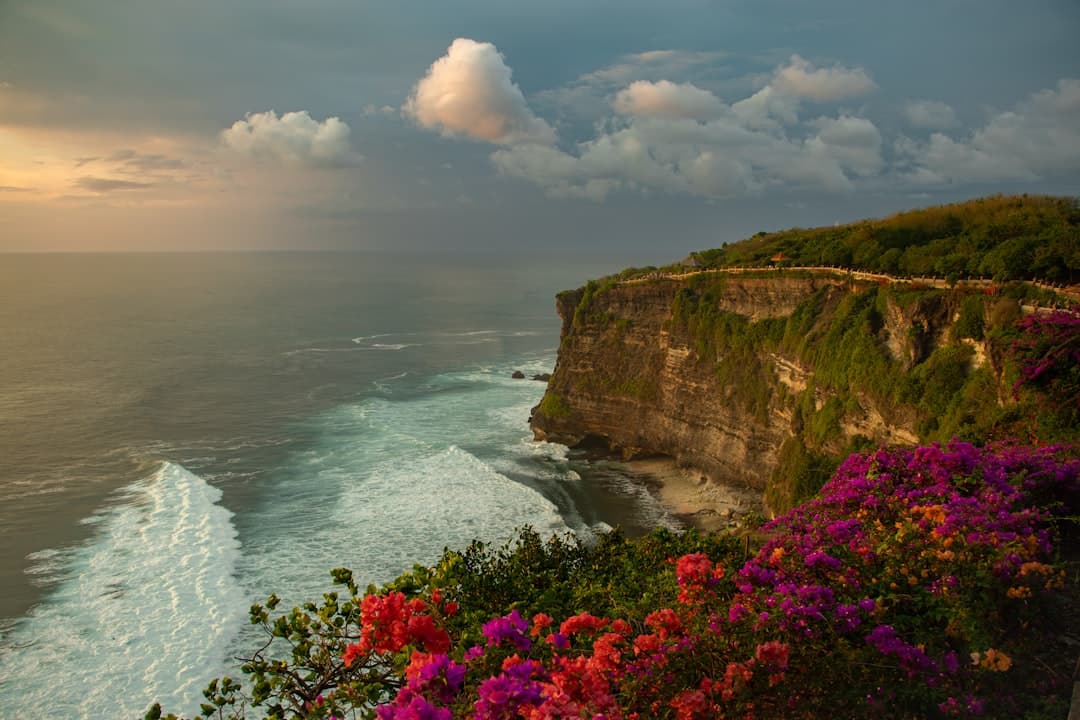
Pura Luhur Uluwatu, Bali's most iconic sea temple, sits precariously on a 70-meter cliff edge overlooking the Indian Ocean. Built in the 11th century and dedicated to the protection of Bali and its people from negative forces from the sea, the temple is not just architecturally stunning but spiritually significant. The sunset ceremony here draws hundreds of visitors, many staying for the famous Kecak fire dance that begins as dusk approaches.
The Kecak dance is a mesmerizing performance of chanting, choreography, and controlled fire — originally a ceremonial trance dance, it was adapted into the theatrical form we see today. Performers create a hypnotic rhythm through a repeating "cak cak cak" chant while acting out scenes from the Ramayana epic. As the sun dips below the horizon and the ocean turns gold, the dancers strike flaming torches in a crescendo of movement and sound. Arrive by 4 p.m. to secure a good seat in the amphitheater, wear a sarong (provided at the entrance for a small donation), and be prepared for crowds. The temple entrance fee is reasonable, and the ceremony typically runs 30-45 minutes.
Beaches
Uluwatu is home to some of Bali's most stunning hidden beaches, each with distinct character:
Suluban Beach (Blue Point) — Perhaps the most dramatic, Suluban requires a steep scramble down a limestone cave to reach a small crescent of sand backed by towering cliffs. The water is crystal-clear and excellent for swimming, though currents can be strong. A local operator offers basic warung facilities at beach level. This is quieter than its famous neighbors and preferred by travelers seeking solitude.
Padang Padang Beach — A postcard-perfect cove with fine sand and emerald water, Padang Padang is smaller and more sheltered than Suluban. A walkway cuts through the cliff face, making access easier. The beach becomes packed in late afternoon as sun-seekers flock here for sunset, but mornings are peaceful. Padang Padang Café serves excellent coffee and fresh juice overlooking the sand.
Dreamland Beach — A broader, gentler beach popular with families and beginner surfers. The sand here is wider and the water warmer, making it more accessible than the cliff beaches. The beach is framed by dramatic rock formations and an old resort building, creating an atmospheric backdrop for photos. Several beach clubs line the shore, offering loungers and cold drinks.
Thomas Beach — Also known as Uluwatu Point, Thomas Beach is less crowded than Dreamland but equally beautiful. This beach sits at the base of towering cliffs and offers excellent snorkeling in shallow turquoise water. Local operators rent basic equipment at beach level. The beach is narrow at high tide, so plan your visit for low tide.
Surf Culture
Uluwatu is one of the world's premier big wave destinations, attracting elite surfers from every continent. The reef breaks here are powerful and unforgiving, requiring experience and respect. Uluwatu Point is the most famous break — a thick, barreling reef wave that can reach 8-12 feet on good swells. Spots like Padang Padang, Racetracks, and Sunset offer different characteristics and challenge levels, but all demand intermediate to expert skills.
Beginners and intermediate surfers should head to Dreamland Beach or Padang Padang's gentler peaks, where the sand bottom breaks make for safer learning. Several surf schools operate along the main beaches offering lessons and board rentals. The local vibe is welcoming — many of the world's best surfers cut their teeth here, and the community embraces both beginners and pros. Swell season runs March to October, with the best conditions typically May through September.
Beach Clubs & Dining
Uluwatu's clifftop position has given rise to spectacular beach clubs that double as sunset venues and all-day hangouts.
Sundays Beach Club — Perched on the cliffs above Padang Padang, Sundays offers infinity pools, cabanas, and fine dining with unobstructed ocean views. The vibe is sophisticated without being stuffy — daytime crowds are relaxed families and digital nomads, evening brings a more upscale crowd.
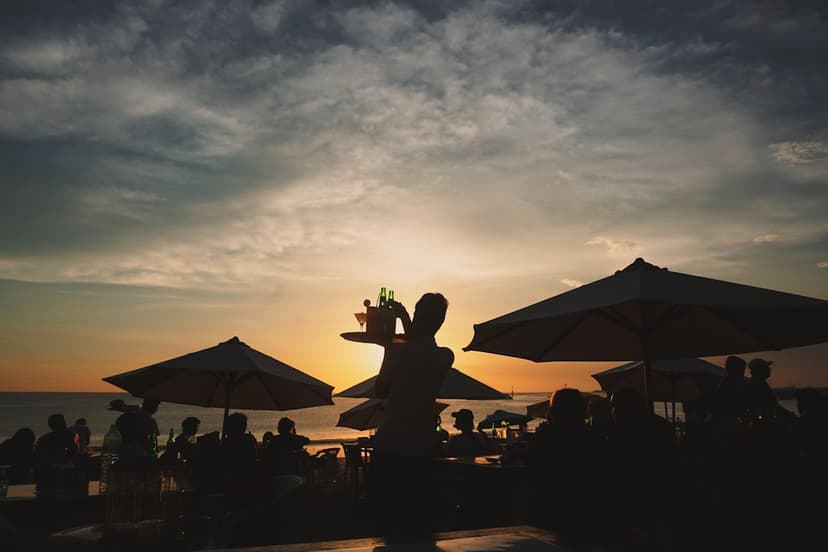
Single Fin — Located directly above Uluwatu Point, Single Fin is a converted house turned casual beach club with a raw, authentic feel. The name references a type of surfboard, and the bar is decorated with surf memorabilia. DJs spin house and electronic sets as the sun drops, and the cocktails are strong. This is where local surfers, travelers, and expats mix.
Ulu Cliffhouse — A newer addition to the Uluwatu scene, Ulu combines refined design with adventure — it's part beach club, part backpacker hangout, with hammocks overlooking the ocean. The food is excellent (modern Indonesian with international touches), and the sunset here rivals any in Bali.
All three offer similarly priced meals (grilled fish, fresh salads, burgers) and cocktails. Book sunset tables in advance during peak season, or arrive early for a casual walk-in experience.
Getting to Uluwatu
Uluwatu is located approximately 45 kilometers south of Ngurah Rai International Airport, roughly a 1.5-hour drive depending on traffic. We strongly recommend arranging a private driver for the day — the peninsula roads are narrow, winding, and can be challenging for scooter riders, especially if you want to visit multiple beaches. A full-day private driver typically costs around 500,000-700,000 IDR (US$33-47), giving you flexibility to stop at temples, beaches, and lunch spots.
Public transport (shuttle buses, taxis) is available but less convenient — journeys are longer and transfer routes complicated. If renting a scooter, allow 2 hours and be cautious on the final approach roads, which have loose gravel and sharp turns. The main Uluwatu road climbs steeply with dramatic switchbacks; take it slowly and never ride in flip-flops.
The best strategy is to spend a full day in Uluwatu: arrive early to visit the temple before crowds, swim at one of the beaches during midday, relax at a beach club for sunset, watch the Kecak dance, and enjoy dinner at a clifftop restaurant. This gives you the complete Uluwatu experience without rushing.
Hidden Beaches Worth Seeking Out
Beyond the well-known stretches, the Bukit Peninsula hides several beaches that remain relatively quiet even during peak season. Gunung Payung Beach sits on the eastern side of the peninsula, accessed by a long staircase carved into the cliff. The effort filters out casual visitors, leaving you with a wide, pristine stretch of white sand and turquoise water. The reef offshore is excellent for snorkeling, and on calm days the visibility is remarkable. Bring your own water and snacks — there are limited facilities at beach level.
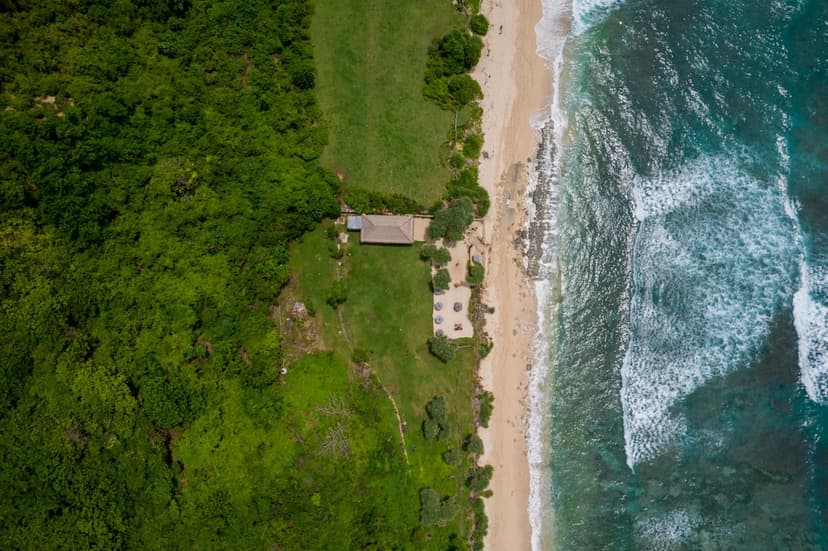
Nyang Nyang Beach is one of the longest and emptiest beaches in all of Bali. The descent is steep and somewhat rugged, but the reward is a sweeping expanse of sand that you may have almost entirely to yourself on weekday mornings. The surf here can be strong, so swimming is best when conditions are calm. The contrast between the wild, windswept shoreline and the manicured beach clubs above the cliffs is striking.
Green Bowl Beach, on the southeastern edge of the peninsula, is another staircase-access gem with a cave at one end and excellent snorkeling around the reef. The beach is small and disappears almost entirely at high tide, so timing your visit with the tide chart is essential.
Cliff-Top Dining and Sunset Timing
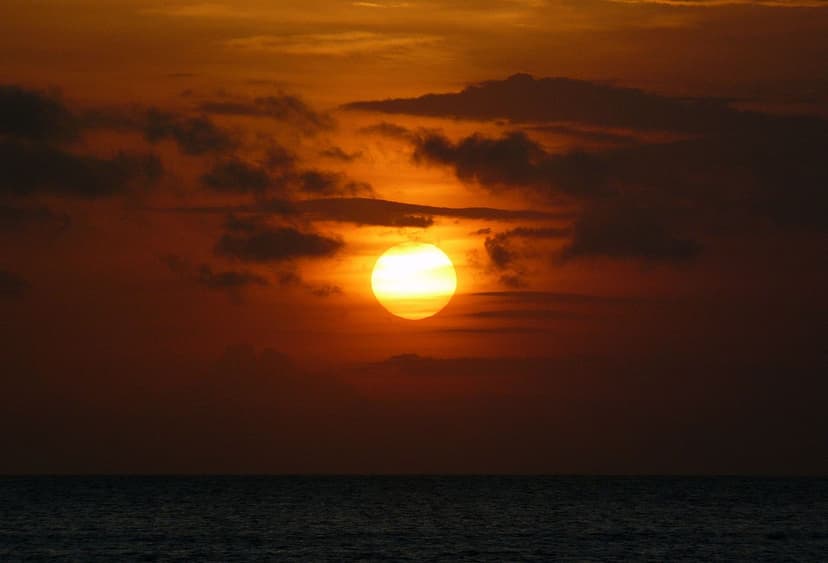
Uluwatu has earned a reputation for some of the best sunset dining in Bali, and for good reason — the clifftop elevation provides an unobstructed western horizon over the Indian Ocean. Sunset times shift throughout the year, from around 5:45 PM during the June-July dry season to about 6:15 PM in December. Arriving at your chosen spot at least an hour before sunset ensures you can settle in and watch the sky transition through its full color range.
Several restaurants along the Uluwatu cliff road specialize in seafood, grilled meats, and Indonesian fusion dishes served on open terraces right at the cliff edge. The atmosphere at golden hour is exceptional — warm light, ocean breeze, and a horizon that seems to stretch forever. Reservations are strongly recommended during peak season (July-August and December-January), though midweek evenings are usually manageable as walk-ins.
Surf Conditions by Season
Understanding the seasonal patterns helps you choose the right break and the right time. The primary swell season runs from April through October, when consistent south swells from the Indian Ocean light up all of Uluwatu's reef breaks. May through August typically delivers the largest and most consistent waves, with Uluwatu Point and Padang Padang producing overhead to double-overhead barrels on bigger days.
During the wet season (November through March), swells become less consistent but not absent. Smaller, less powerful waves still arrive, and the crowds thin significantly. This can be a good time for experienced surfers who know the breaks and want less competition in the lineup. Wind patterns also shift — morning sessions tend to offer the cleanest conditions year-round, as afternoon onshore winds can chop up the surface.
Day Trip Itineraries
A well-planned Uluwatu day trip covers the peninsula's highlights without feeling rushed. One effective approach: start with the temple at opening time (around 8 AM) when it is cool and uncrowded, then drive to one of the hidden beaches for a mid-morning swim. After lunch at a clifftop restaurant, spend the afternoon at a beach club before heading back to the temple amphitheater for the Kecak dance at sunset.
Alternatively, surf-focused travelers can hit the water at dawn when conditions are cleanest, dry off over a late breakfast, explore the temple and nearby viewpoints midday, and wrap up the afternoon with sunset drinks.
Getting Around the Bukit Peninsula
The Bukit Peninsula — the elevated limestone plateau where Uluwatu sits — is spread out, with beaches, temples, and restaurants scattered across its southern and western edges. Distances between spots are not enormous, but the narrow roads, steep access paths, and limited signage make navigation tricky without local knowledge.
A private driver remains the most practical option. They know which beach access roads are paved versus potholed, where to park when lots fill up, and how to sequence stops efficiently. Ride-hailing apps work in the area but wait times can be long, especially when leaving remote beaches in the late afternoon. If you choose a scooter, be aware that the Bukit roads are hillier and more exposed than elsewhere in Bali — the limestone surface can be slippery after rain, and some beach access roads are unpaved.
The Bukit's headline cultural site, the Pura Luhur Uluwatu clifftop temple, hosts the famous Kecak fire dance most evenings — book a guide if you want the ritual context, not just the sunset photo.
Related guides
- Things to Do in Uluwatu — Cliffs, Temples & Hidden Beaches — deep-dive listicle.
- Bali Surfing Guide — Breaks, Lessons & Seasons — Padang Padang, Bingin, Balangan break notes.
- Best Beaches in Bali — where the Bukit hidden coves rank.
- Bali Nightlife Guide — Single Fin Sundays and the cliff-edge sunset venues.
- Seminyak → — the upscale base 45 minutes north for after-dinner drinks.