Bali Temples Guide 2026 — Sacred Sites Every Traveler Should Visit
A comprehensive guide to Bali's most important temples — from Uluwatu and Tanah Lot to hidden village temples most tourists never see. Etiquette, ceremonies, and how to visit respectfully.
In This Guide
- Pura Uluwatu — The Cliff Temple
- Tanah Lot — The Sea Temple
- Tirta Empul — The Purification Temple
- Pura Besakih — The Mother Temple
- Pura Tirta Gangga — The Water Palace
- Goa Gajah — The Elephant Cave
- Pura Luhur Lempuyang — The Gateway to Heaven
- Pura Taman Ayun — The Royal Garden Temple
- Village Temples — Where the Real Bali Lives
- Temple Etiquette — What Every Visitor Should Know
- Planning Your Temple Visits
- FAQ
- How many temples are there in Bali?
- Do you have to wear a sarong to visit temples in Bali?
- What is the best time of day to visit Bali temples?
- What is the most important temple in Bali?
- What is the etiquette for visiting temples in Bali?
- How much do temple entrance fees cost in Bali?
- Related Guides
Bali is called the Island of the Gods, and that is not a marketing phrase. There are over 20,000 temples on the island — from massive sea temples perched on cliff edges to tiny family shrines decorated with fresh offerings every morning. Temples are not relics of the past here. They are the living center of daily life, and understanding them is the difference between seeing Bali and actually experiencing it.
As a certified guide who has participated in hundreds of temple ceremonies across the island, here are the temples that matter most and what you need to know before visiting them.
Quick answer: Bali has over 20,000 temples. The must-visit temples are Uluwatu (cliff-top sunset and Kecak dance), Tanah Lot (iconic sea temple), Tirta Empul (purification ritual near Ubud), and Besakih (the Mother Temple on Mount Agung). Always wear a sarong and sash. Arrive before 9 AM to avoid crowds. Entrance fees range from 30,000–80,000 IDR ($2–5). Temple visits pair naturally with a private driver day trip ($33–45/day).
Pura Uluwatu — The Cliff Temple
Perched on a 70-meter limestone cliff above the Indian Ocean, Uluwatu temple is one of Bali's six directional temples (sad kahyangan) that protect the island from evil spirits. This one guards the southwest.
The temple itself dates to the 11th century, though much of the current structure is more recent. You cannot enter the inner sanctum, but the cliff-edge walkways offer some of the most dramatic scenery on the island. The Kecak fire dance performed at sunset in the amphitheater below the temple is one of Bali's iconic cultural experiences — about 70 performers chanting in unison as the sun drops into the ocean.
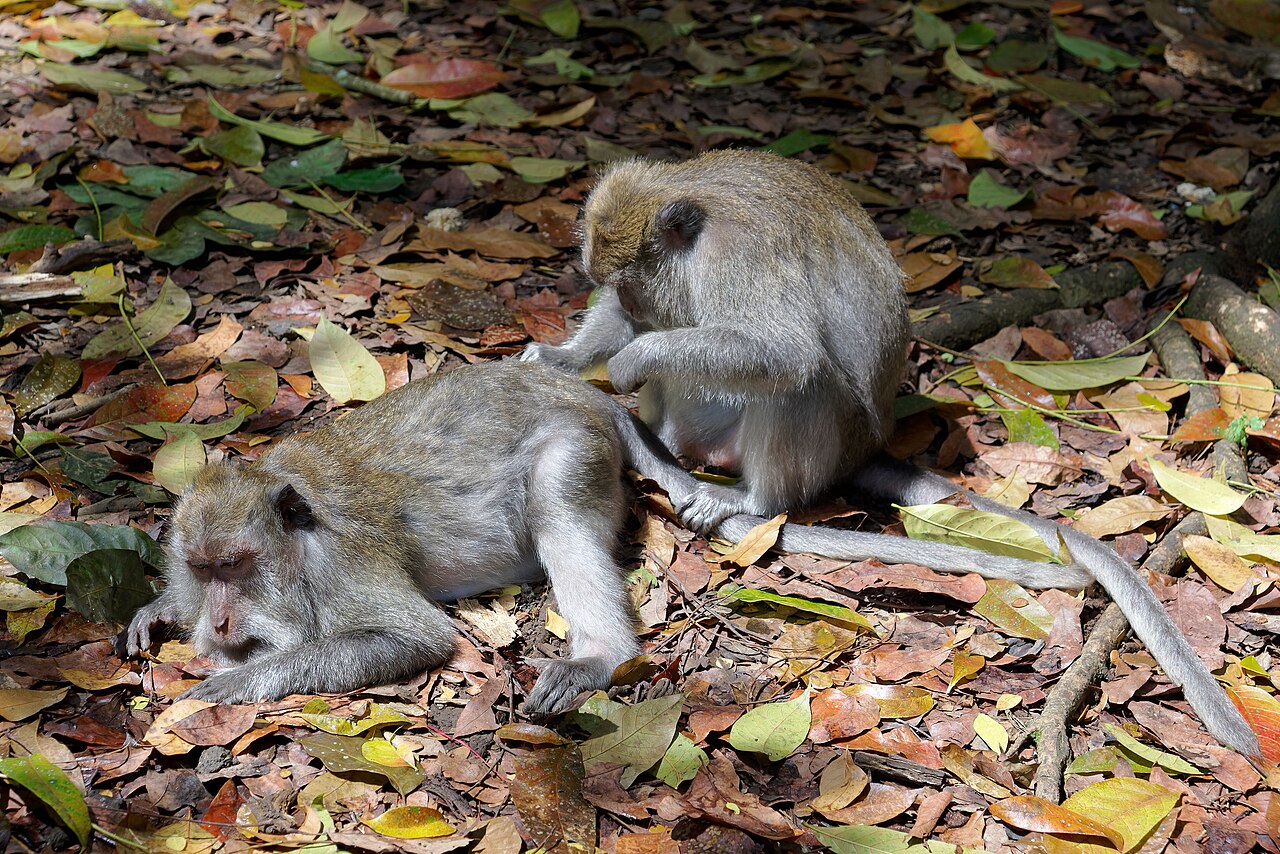
Practical tips: Arrive by 4:30 PM to explore before the 6 PM Kecak performance. Buy dance tickets in advance during peak season. Watch your belongings — the resident monkeys here are notorious for grabbing sunglasses and phones.
Getting there: About 45 minutes from Seminyak or Canggu. The narrow road to the temple gets congested in the late afternoon, so having a private driver who knows the timing and alternative routes makes a real difference. See our guide to things to do in Uluwatu for a full day plan around the temple visit.
Tanah Lot — The Sea Temple
Tanah Lot is Bali's most photographed temple, built on a rock formation in the ocean that becomes an island at high tide. The setting is undeniably beautiful — black volcanic rock, crashing waves, and a silhouetted temple against the sunset sky.
The temple is closed to non-worshippers, so you view it from the surrounding cliff paths. At low tide you can walk across to the base of the rock and receive a blessing from priests at a small spring in the cave below. The holy water here comes from a freshwater spring that somehow emerges from the sea rock — one of the reasons the site is considered sacred.
Best time to visit: Late afternoon for sunset, but arrive at least an hour before to explore. The complex includes several other temples on the cliff top that most visitors walk past.
Tirta Empul — The Purification Temple
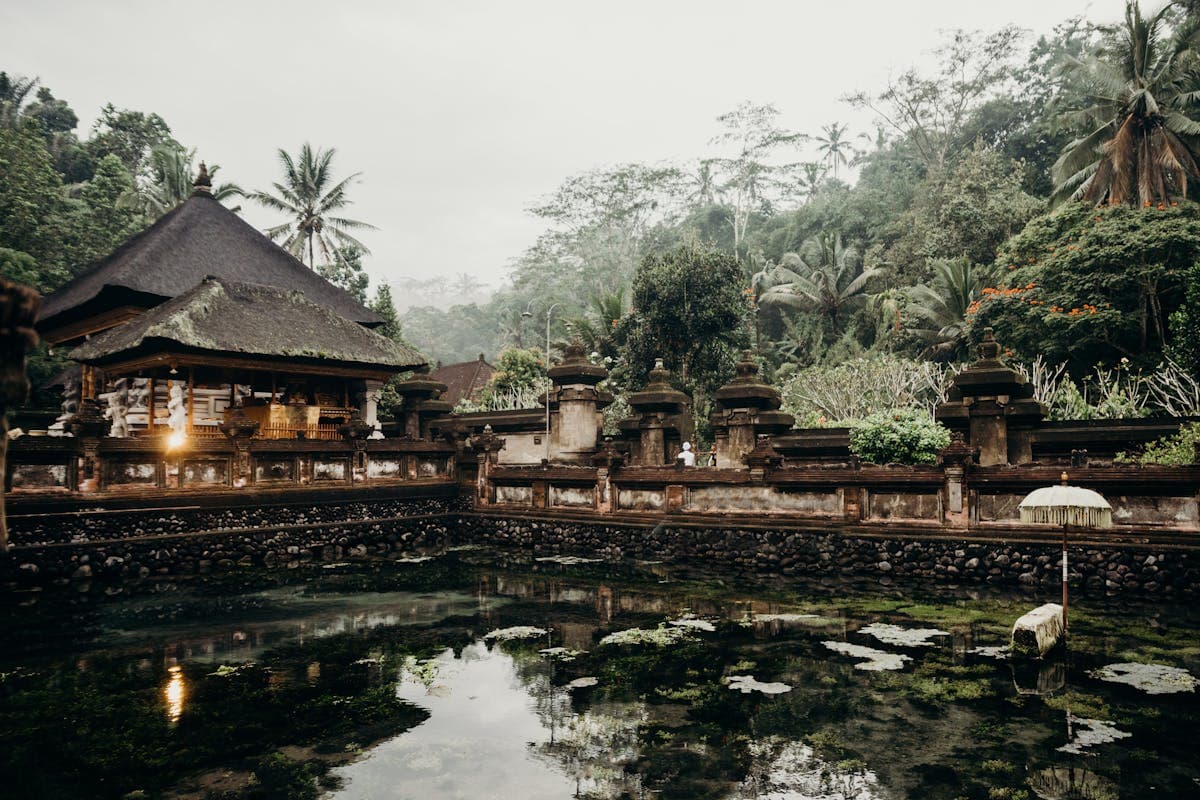
Tirta Empul near Ubud is one of the most important water temples in Bali and the site where many Balinese and visitors come for melukat — a purification ritual. Sacred spring water flows through a series of fountains in a large pool, and participants move through them in sequence, letting the water wash over their heads while offering prayers.
This is not a performance for tourists. It is a genuine spiritual practice, and if you approach it with respect, the experience stays with you long after you leave Bali. The water is cold and the atmosphere is meditative despite the number of people. Our things to do in Ubud guide includes Tirta Empul as part of a full-day cultural itinerary.
How to participate: Wear a sarong (available at the entrance), follow the instructions of the temple attendants, and move through the fountains from left to right. Skip the two fountains reserved for funeral purification — the attendants will point these out. This pairs beautifully with a morning in the Ubud countryside on a guided tour.
Pura Besakih — The Mother Temple
Besakih is the largest and most important temple complex in Bali, sitting on the slopes of Mount Agung at about 1,000 meters elevation. It is actually a complex of 23 separate temples spread across the mountainside, with the central Pura Penataran Agung being the most sacred.
Every Balinese Hindu has a spiritual connection to Besakih, and major island-wide ceremonies happen here throughout the year. The scale is impressive — stone staircases, split gates (candi bentar), and tiered shrines rising up the volcanic slope with clouds drifting through.
Important note: Besakih has had a reputation for aggressive touts trying to sell guide services at the entrance. The situation has improved in recent years, but visiting with your own guide avoids this entirely and gives you proper cultural context for what you are seeing. A guided tour in French or Mandarin is particularly valuable here, since the temple's significance is deeply connected to Balinese Hindu theology.
Getting there: About 90 minutes from Ubud. The road climbs steadily through rice terraces and forest, and the mountain views along the way are worth stopping for. Besakih pairs well with a Mount Batur sunrise trek if you are spending time in the volcanic highlands.
Pura Tirta Gangga — The Water Palace
Tirta Gangga in east Bali is a former royal water palace built in 1946, combining a temple with elaborate gardens, fountains, and spring-fed pools. The centerpiece is a series of stepping stones across a fish-filled pond, surrounded by carved stone fountains and demon guardians.
You can swim in the upper pools (cold, spring-fed water) and the grounds are peaceful enough to spend a couple of hours. It is one of the best stops on a day exploring the east coast, combined with Amed or Sidemen. Our 10-day itinerary includes Tirta Gangga on day 5 as part of the east Bali loop.
Goa Gajah — The Elephant Cave
Goa Gajah near Ubud dates to the 9th century. The entrance is carved as a demon's mouth — you walk between its fangs into a small cave containing Hindu and Buddhist meditation niches. Outside, bathing pools fed by carved female figures were rediscovered by archaeologists in the 1950s after being buried for centuries.
The site takes about 30 to 45 minutes to explore properly and is only 6 kilometers from central Ubud, making it an easy addition to any day in the area.
Pura Luhur Lempuyang — The Gateway to Heaven
Lempuyang has become famous for the split gate (candi bentar) that frames Mount Agung when the clouds cooperate. The photo of the gate with the volcano behind it has made this one of the most visited temples in Bali.
What most visitors do not realize is that Lempuyang is actually a complex of seven temples climbing up the hillside, with the most sacred one near the summit. The full hike takes about 3 to 4 hours and is steep and challenging, but gives you the kind of temple experience that the lower gate crowds will never know.
Getting there: About 2 hours from Ubud in east Bali. Go early — the queue for photos at the famous gate can exceed 2 hours by mid-morning. Combine with a visit to Sidemen for a full day of east Bali exploration.
Pura Taman Ayun — The Royal Garden Temple
This royal temple in Mengwi is one of the most architecturally beautiful on the island. Built in 1634, the temple sits on an island surrounded by a moat and lotus-filled ponds, with multi-tiered meru towers rising behind perfectly manicured gardens.
Want us to plan this trip for you?
Our certified guide will create a personalized itinerary based on your interests, pace, and travel style.
Get Your Free ItineraryYou cannot enter the inner temple, but the gardens and outer courtyards are stunning and rarely crowded compared to the big-name temples. It is a UNESCO World Heritage Site and about 30 minutes from Ubud or Canggu.
Village Temples — Where the Real Bali Lives
Beyond the famous temples, every Balinese village has three mandatory temples: the pura puseh (temple of origin), pura desa (village temple), and pura dalem (temple of the dead). These are where daily religious life actually happens — where families bring offerings, where children learn gamelan music, and where ceremonies marking every stage of life take place.
Visiting a village temple during a ceremony is one of the most authentic experiences available in Bali. It requires an invitation or a guide who has relationships in the community, but when it happens, you see a side of Bali that no amount of temple-hopping can replicate. This is exactly the kind of experience we build into our custom itineraries.
Temple Etiquette — What Every Visitor Should Know
Bali's temples are active religious sites, and respecting them is not optional. Here is what you need to know:
Dress code: A sarong and sash covering the waist are required at every temple. Most major temples provide or rent them at the entrance. If you plan to visit several temples, buy your own at any market — they cost very little and you will use them repeatedly.
Menstruation: Balinese tradition considers menstruating women spiritually unclean, and entry to temples is technically restricted during this time. In practice, enforcement at tourist temples is rare, but it is worth knowing the cultural context.
Behavior: Do not stand higher than priests or offerings, do not point your feet at shrines, do not touch sacred objects, and keep voices low. Photography is generally fine in outer areas but ask before photographing ceremonies or priests.
Offerings: The small woven baskets of flowers and incense (canang sari) placed everywhere are religious offerings. Do not step on them or move them.
Ceremonies: If you encounter a ceremony, you are usually welcome to watch from a respectful distance. Do not walk between the priest and the worshippers, and do not use flash photography.
Planning Your Temple Visits
Bali's temples are spread across the island and visiting more than two or three in a day means spending most of your time in a car. A better approach is to weave temple visits into a broader itinerary that includes the surrounding landscape, local food, and cultural context.
A morning at Tirta Empul followed by lunch near Ubud and an afternoon at a village ceremony. Besakih combined with the Mount Agung viewpoints and eastern rice terraces. Uluwatu at sunset after a day exploring the Bukit peninsula. Temple visits are a highlight of both our 7-day and 10-day Bali itineraries, and our first-timers guide covers the best temple circuit for newcomers.
This kind of planning is exactly what we do — building days that flow naturally instead of rushing between checkpoints. Get in touch to start planning a trip that includes the temples that will mean the most to you, or explore our guided tour options for immersive cultural experiences led by a certified guide who speaks French, Mandarin, English, and Indonesian.
FAQ
How many temples are there in Bali?
Bali has over 20,000 temples across the island, ranging from the six great directional temples (sad kahyangan) that protect the island spiritually, to district temples, village temples, and small family shrines found in every household compound. Every Balinese village has a minimum of three mandatory temples: the pura puseh (temple of origin), pura desa (village temple), and pura dalem (temple of the dead). For visitors, the most rewarding temples to visit are the major ones like Uluwatu, Tanah Lot, Tirta Empul, and Besakih, along with lesser-known village temples during ceremonies.
Do you have to wear a sarong to visit temples in Bali?
Yes, a sarong and sash covering the waist are required at every temple in Bali without exception. Shoulders should also be covered. Most major temples like Uluwatu and Tanah Lot provide or rent sarongs at the entrance for a small fee, but having your own is more convenient if you plan to visit multiple temples. You can buy a sarong at any local market for very little money. Wearing one shows respect for the religious significance of these active places of worship.
What is the best time of day to visit Bali temples?
Early morning (before 9 AM) is the best time for most temples — the light is beautiful for photography, temperatures are cooler, and tour group crowds have not yet arrived. The notable exception is Uluwatu, which is best visited in late afternoon to catch the sunset and the 6 PM Kecak fire dance performance. Tanah Lot is also most photogenic at sunset. For Tirta Empul, arriving before 9 AM means you can experience the purification ritual without heavy crowds. A private driver who knows the timing patterns makes a significant difference in avoiding congestion at popular temples.
What is the most important temple in Bali?
Pura Besakih, known as the Mother Temple, is the most sacred and important temple in Bali. It is a complex of 23 separate temples on the slopes of Mount Agung at about 1,000 meters elevation, and every Balinese Hindu has a spiritual connection to it. Major island-wide ceremonies take place here throughout the year. Among the directional temples, Uluwatu (southwest) and Tanah Lot are the most visited by tourists, while Tirta Empul is the most important water temple. Each temple serves a different spiritual function in Balinese Hinduism, so "most important" depends on context.
What is the etiquette for visiting temples in Bali?
The essential rules are: wear a sarong and sash at all times, do not stand higher than priests or offerings, do not point your feet at shrines, keep voices low, and never touch sacred objects. Step over canang sari offerings on the ground rather than on them. Photography is generally fine in outer areas but avoid using flash during ceremonies and always ask before photographing people directly. Women who are menstruating are traditionally not permitted to enter temples. If you encounter a ceremony, you are welcome to watch from a respectful distance but should not walk between the priest and worshippers. Visiting with a certified guide — or booking our dedicated temples & culture experience — ensures you navigate etiquette properly and understand the spiritual significance of what you are seeing.
How much do temple entrance fees cost in Bali?
Temple entrance fees in Bali remain very affordable in 2026, typically ranging from 30,000 to 80,000 IDR (2 to 5 USD) per person. With over 6.9 million visitors in 2025, Bali has kept entrance fees remarkably low. Specific prices as of 2026: Tirta Empul is 30,000 IDR, Jatiluwih rice terraces 30,000 IDR, Tirta Gangga 40,000 IDR, Tanah Lot 60,000 IDR, Besakih 60,000 IDR, Lempuyang 60,000 IDR, and Uluwatu Kecak dance tickets are 80,000 to 150,000 IDR. Sarong rental at temple entrances is usually included or costs a small additional fee. Budget around 200,000 to 300,000 IDR total (13 to 19 USD) for temple entrance fees across a full 10-day itinerary.
Related Guides
<!-- internal-link-sweep:2026-04-29 -->
Certified Travel Guide & Co-Founder
A certified Bali guide credentialed by the Indonesian Ministry of Tourism, fluent in French, Mandarin, English, and Indonesian. Part of a family of certified guides who have been guiding travelers across Bali for many years — sharing temples, rice terraces, and hidden corners that never make the brochures.
Languages: French · Mandarin · English · Indonesian
Ready to discover Bali?
Tell us about your dream trip and our local experts will craft a personalized experience just for you.
Start Planning