Things to Do in Sidemen Bali 2026 — Beyond the Tourist Trail
Discover Sidemen's hidden rice terraces, Mount Agung views, and authentic Balinese culture. As a certified local guide, I share insider tips for exploring this quiet valley away from Ubud crowds.
In This Guide
- Why Sidemen Is Worth Your Time
- The Rice Terraces and Mount Agung Views
- Temples and Spiritual Life
- Traditional Weaving and the Sidemen Craft Economy
- Hiking and Walking Trails
- Nearby Waterfalls and Water Features
- Getting to Sidemen
- Where to Stay
- Best Time to Visit Sidemen
- Additional Considerations
- Planning Your Sidemen Experience
- FAQ
- Is Sidemen worth visiting?
- How do I get to Sidemen?
- How many days should I spend in Sidemen?
- How does Sidemen compare to Ubud?
- When is the best time to visit Sidemen?
- What is there to do in Sidemen?
- Related Guides
I've lived in East Bali for more than a decade, and I can tell you that Sidemen remains one of the most underrated valleys on the island. While most travelers rush between Ubud and the coast, this quiet agricultural community offers something increasingly rare in Bali: authentic daily life without the tourism infrastructure. That's not to say there's nothing to do here. In fact, Sidemen rewards curious travelers with some of the island's most rewarding experiences — dramatic rice terraces, clear views of Mount Agung at sunrise, centuries-old temples, and the opportunity to connect with traditional Balinese culture in a genuinely low-pressure environment.
Why Sidemen Is Worth Your Time
Most visitors to Bali spend their days navigating Ubud's crowded art markets or photographing the same rice terraces everyone else has already seen. Sidemen operates on a different rhythm entirely. This is a working agricultural valley where the primary activity is still rice cultivation, weaving, and temple life. There's no nightlife scene here, no beach clubs blaring music, no hawkers trying to sell you "authentic" jewelry they imported from Indonesia last week.
What you get instead is the sound of water running through irrigation channels, the smell of freshly cut rice, and genuine conversations with Balinese people who aren't professionally trained to smile at tourists. During monsoon season, the valley turns into fifty shades of green — the rice paddies, the jungle canopy, the wet stone terraces all create a landscape so lush it almost doesn't look real. During the dry season, the terraces turn golden and the air clears enough that you can see Mount Agung's peak from several vantage points in the village.
Quick answer: Sidemen's best experiences are sunrise rice terrace walks with Mount Agung views, visiting active village temples, watching traditional ikat weaving, and hiking toward the volcano foothills. Spend 2–3 days. Accommodation is affordable (350,000–650,000 IDR/night). Hire a private driver to reach Sidemen from Ubud (1.5–2 hours). In 2026, Sidemen remains one of Bali's most authentic and uncrowded destinations — a world away from the tourist infrastructure of Ubud and the south.
I recommend spending at least two full days here if you're serious about understanding this part of Bali. One day feels rushed, especially if you want to experience a sunrise hike, visit a temple, and see traditional weaving in action.
The Rice Terraces and Mount Agung Views
The rice terraces around Sidemen are genuinely spectacular, and the reason they remain relatively uncrowded is simple logistics. There's no central "rice terrace viewpoint" with parking and a café. Instead, the terraces form a continuous agricultural landscape that you experience by walking through it, not viewing it from a designated spot.
I typically start my mornings in Sidemen with a walk from the main village toward Munivara and the surrounding hamlets. The best light happens during the first two hours after sunrise, when the mist is still rising off the fields and the sun hits the western faces of the terraces. The paths between paddies are narrow — often just wide enough for two people — and they're bordered by irrigation channels that supply water from the mountain.
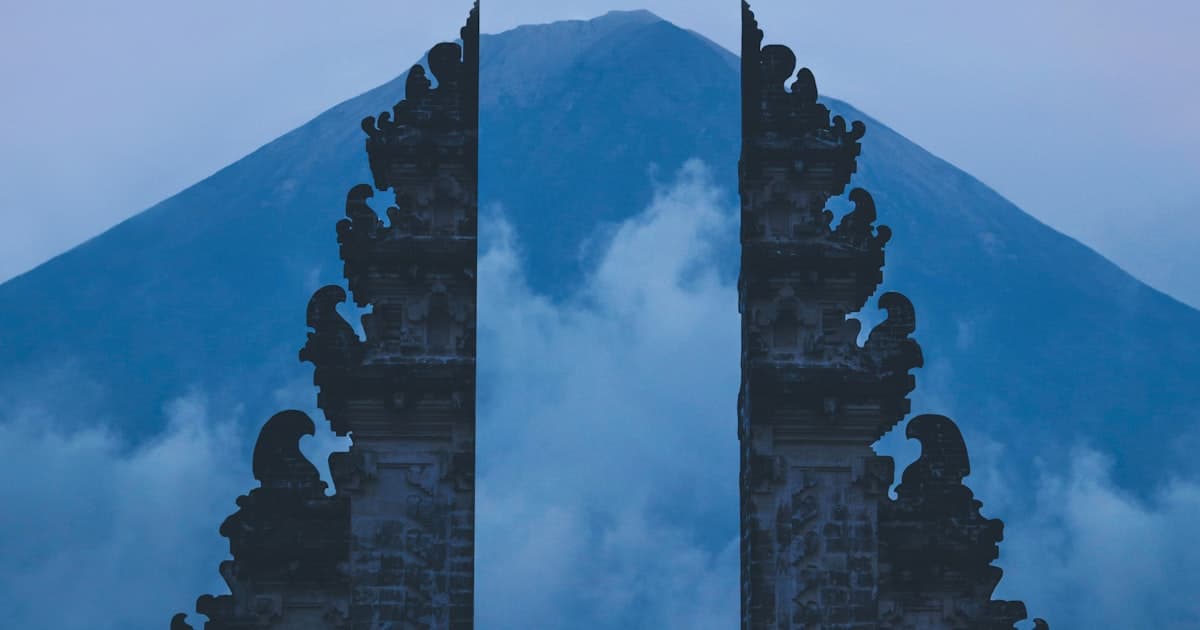
On clear mornings, which are most common during April through October, Mount Agung rises unmistakably to the north. The volcano's cone is so distinctive that once you've seen it once, you can identify it from almost anywhere in East Bali. The view from the higher rice terraces near the village is genuinely dramatic. I've watched this mountain for years, and I still stop sometimes just to photograph it during sunrise.
If you want to walk these terraces yourself, hire a local guide or stay at a guesthouse where they can arrange walking routes. The paths can be confusing if you're unfamiliar with the area, and you don't want to end up crossing someone's paddy at harvest time. Most guides charge reasonable rates and can explain the traditional irrigation system — the subak — which has been managing water distribution in Bali since at least the 9th century.
Temples and Spiritual Life
Sidemen has several temples, and they tell you a lot about how rural Bali organizes its spiritual and community life. The main village temple, Pura Penataran Agung Sidemen, is substantial but never crowded with tourists. I've visited on regular days when there were maybe five or six people doing offerings or sitting in the temple compound. During ceremonies — which happen regularly throughout the year — the whole valley mobilizes around the temple.
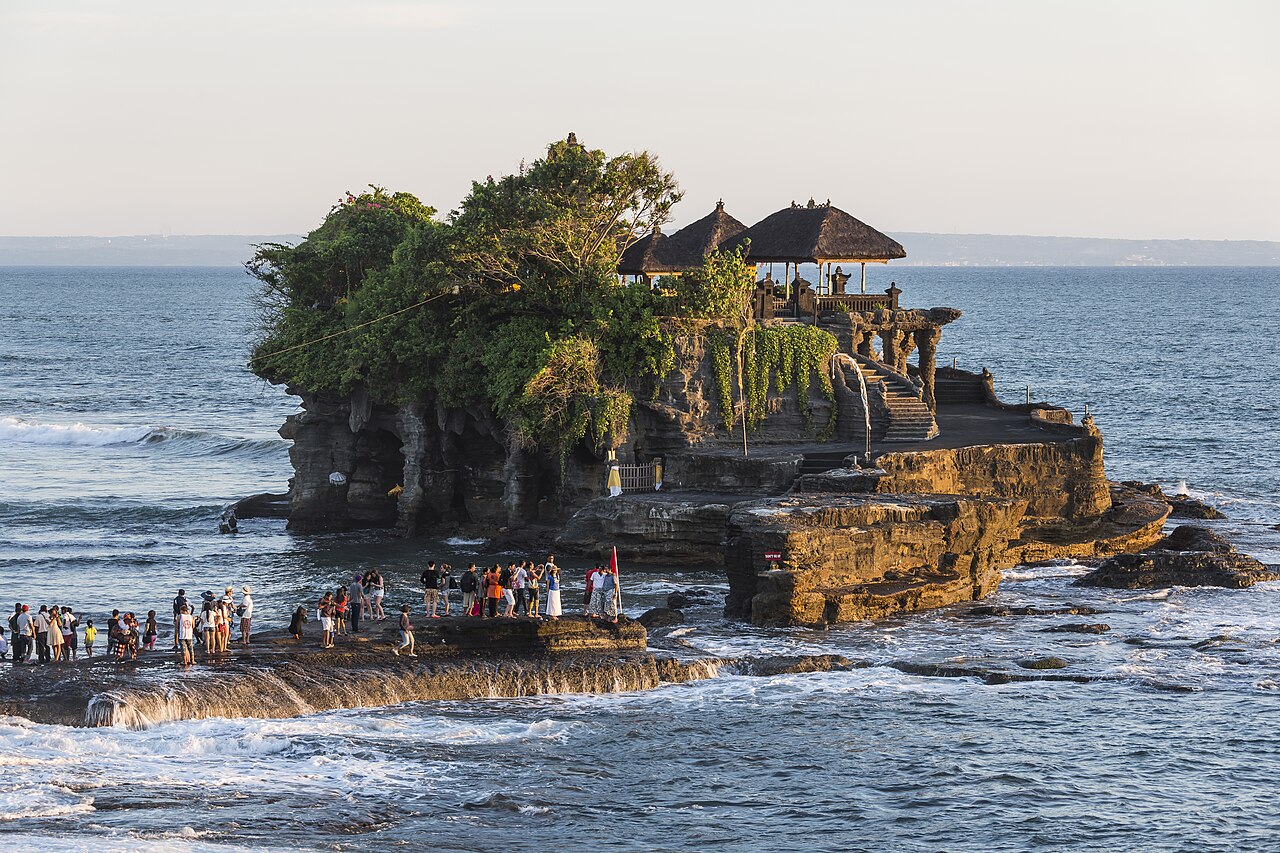
What makes temple visits here different from the famous sites like Tanah Lot or Ubud's Goa Gajah is that you're observing actual practice, not tourism. If you visit during a ceremony, you'll see preparations starting before dawn: women creating intricate offerings from leaves and flowers, men organizing the temple grounds, musicians rehearsing. It's work, not performance.
The Pura Penataran Agung is particularly interesting because it occupies a hillside position and offers views across the valley. The architecture is traditional — multiple courtyards, ornately carved gates, shrines for different deities. Photography is generally welcome, but ask first out of respect. Bring a sarong if you don't have one; you can usually rent or borrow one at the temple entrance.
There's also Pura Teruna, a smaller temple that's beloved locally but almost completely absent from tourist guides. If you're walking through the village and a local invites you to visit their temple, take them up on it. These smaller shrines reveal how integrated religious practice is into daily Balinese life.
Traditional Weaving and the Sidemen Craft Economy
Weaving is the second major activity in Sidemen after rice cultivation, and it's where the real economic future of the valley lies as rice farming becomes less profitable. The traditional ikat textiles produced here — particularly the double ikat songket — are some of the finest in Indonesia. Each piece takes months to complete, involving dyeing, pattern planning, and intricate hand weaving.
Unlike some weaving villages in Bali that have become tourist attractions, Sidemen weaving is still primarily a local livelihood. If you walk through the village in the morning, you'll see women at home looms in their compounds, working on commissions. I know several weavers who are happy to explain their process to visitors who show genuine interest rather than just looking for something to buy.
The distinction matters. If you visit a weaving workshop and someone senses you're truly curious about the craft — asking about natural dyes, the mathematics of the patterns, how they learned the techniques — they'll often spend significant time with you. If you walk in as a purchaser, it's transactional. The best textile pieces I've seen in Sidemen, I've watched being made over multiple visits. They're expensive, often starting at several million rupiah for a serious piece, but they represent months of skilled labor.
If you're interested in learning to weave yourself, custom itineraries can be arranged. Several weavers offer informal lessons for travelers who want to spend a few hours at a loom. It's humbling work — your fingers will cramp, and you'll develop a new respect for what these weavers accomplish daily.
Hiking and Walking Trails
Beyond the rice terrace walks, Sidemen offers several excellent hiking routes. The most popular is the trek toward Munivara and the higher agricultural areas, which offers both mountain and valley views. This hike typically takes two to three hours depending on your pace and how many stops you make for photographs or conversation with locals.
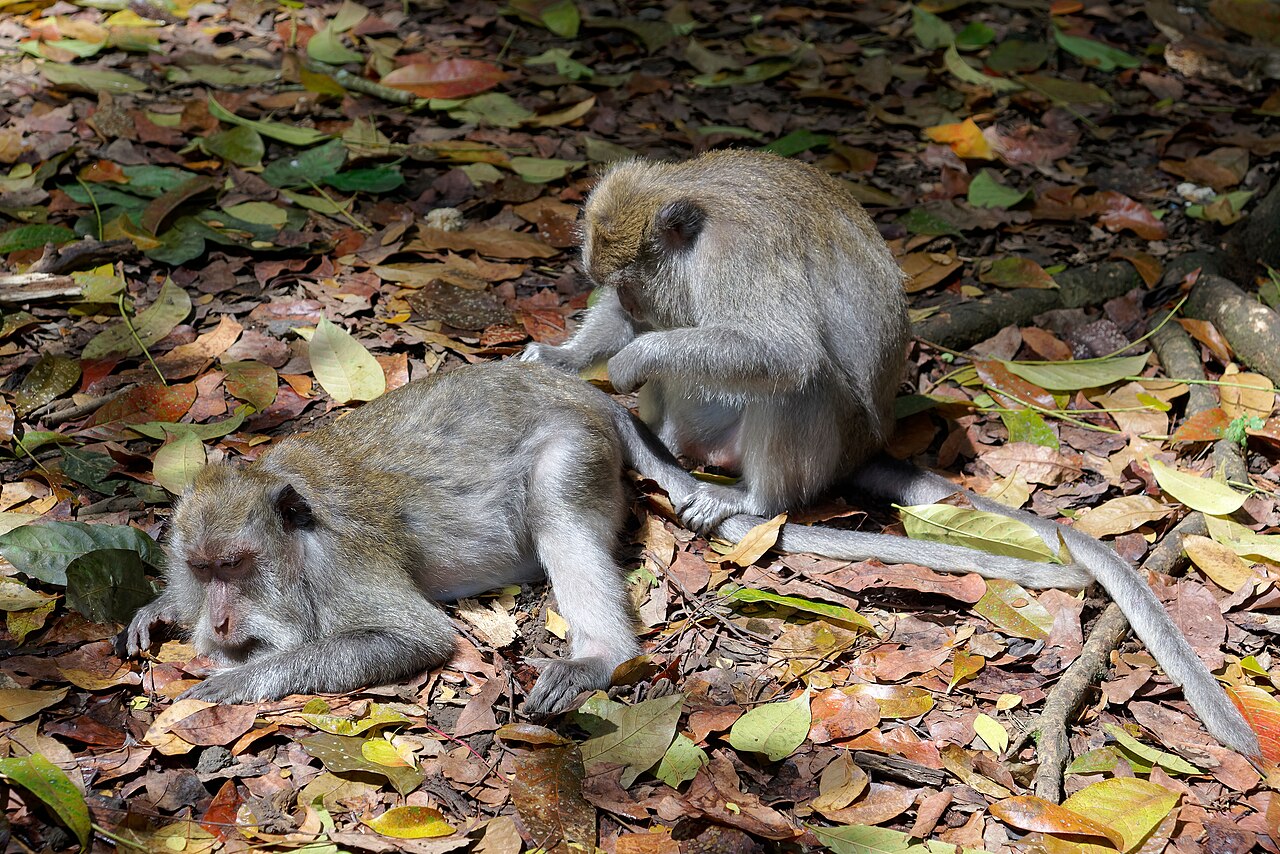
A longer option is the all-day trek toward the foothills of Mount Agung. This route climbs gradually through villages and forest, and if conditions are good, you'll end the day looking directly at the mountain's slopes. This isn't a summit climb, but it takes you into the forested areas where you'll see different vegetation and occasionally encounter wild monkey populations.
For the more serious hikers, I often recommend combining Sidemen with a Mount Agung trek from the Pura Besakih side (the southern approach). This gives you a multi-day experience that includes the cultural richness of Sidemen plus the volcanic adventure of actually summiting the mountain.
Nearby Waterfalls and Water Features
While Sidemen itself is primarily known for rice terraces and mountain views, the surrounding region has several waterfall systems worth visiting. The most accessible is Tembuku Waterfall, about 30 minutes' walk or a short drive from the village center. It's a modest waterfall by Balinese standards, but the setting is beautiful and it's usually peaceful because most visitors don't venture out here.
Want us to plan this trip for you?
Our certified guide will create a personalized itinerary based on your interests, pace, and travel style.
Get Your Free ItineraryFor more significant waterfalls, you're in range of several in the broader East Bali region. If you're spending multiple days in the area, I'd recommend reading about the best Bali waterfalls to plan a day trip. Some of the waterfall hikes in nearby Munduk and the higher elevations are spectacular, and they make good day adventures if you've based yourself in Sidemen.
Getting to Sidemen
This is where logistics matter. Sidemen doesn't have an airport or direct highway access, so reaching it requires intentional travel. Most visitors come from Ubud, which is about 60 kilometers away but takes 1.5 to 2 hours by car depending on traffic. The roads are winding and hilly, but the drive itself is beautiful — you'll see villages and rice paddies you'd never see if you were flying in and out of Ubud airport.
From the coast, Amed is the closest beach area, about 45 minutes away. If you're doing a multi-destination trip combining coastal and mountain experiences, Sidemen works well as a bridge. I've done many custom itineraries that string together Amed on the coast, Sidemen in the foothills, and Ubud in the highlands. It gives you different perspectives on Balinese geography and culture.
Hiring a private driver makes sense here because the roads are narrow and the directions aren't intuitive if you're not familiar with the area. A driver can also wait for you while you explore, and they often know good local restaurants and guesthouses that don't have big online presences.
Where to Stay
Sidemen has several small guesthouses and one or two slightly more developed resorts, but nothing remotely resembling the big hotel chains you'll find in Ubud or Seminyak. That's entirely by design. Most accommodations are family-run operations with under fifteen rooms. The advantage is authenticity and usually better interactions with the owners. The disadvantage is less amenity consistency — you might have spectacular views and mediocre plumbing, or comfortable rooms in a slightly noisy location.
I typically recommend guesthouses in the village center because they're close to temples, weaving workshops, and the best walking routes. Staying on the periphery puts you further from the action, even though the valley is small enough that you can walk anywhere in 20 minutes.
Many guesthouses can arrange guides for rice terrace walks, introductions to weavers, and temple visits. Ask when you book what experiences they can facilitate. The difference between a basic "here's a room" operation and a family-run guesthouse where the owners care about your experience is substantial.
Best Time to Visit Sidemen
Timing influences what you'll experience significantly. During the dry season — April through October — the weather is predictable, the mountains are visible, and the rice harvests happen. This is also when the terraces turn golden, which many consider the most beautiful visual period. The air is generally clearer, and hiking conditions are optimal.
During the wet season — November through March — the valley is at its absolute greenest, and the light is different. Mornings are often misty, which creates a different aesthetic. Rainfall happens regularly, though usually in short afternoon bursts. Some people find the wet season landscape more spectacular, but you need to be flexible about hiking plans.
The best overall window is April through June, when the dry season has started but summer heat hasn't become extreme. September and October can be very hot. November sees the arrival of rain but is often still visually beautiful.
Additional Considerations
If you're planning a 7-day itinerary that includes Sidemen, I'd suggest reading the broader ultimate Bali travel guide to understand how Sidemen fits into the larger island geography. It's not a destination you'd spend a week in exclusively, but it's essential if you want to understand rural Bali and see beyond the tourist infrastructure.
Also consider what temples matter to you. If you're interested in Bali's temple architecture and spiritual life, Sidemen provides local-focused context that's different from the major pilgrimage sites. For first-time visitors, our first-timers guide explains how Sidemen fits into a broader Bali trip. Check our Bali safety guide for tips on rural travel, and the Bali Cost Calculator to budget your stay. Traveling with family? Our Bali with kids guide covers family-friendly options in quieter areas like Sidemen.
Planning Your Sidemen Experience
The secret to enjoying Sidemen is releasing the expectation that it will be "a destination" in the way Ubud or Bali's beaches are. It's a place where you come to move slowly, walk through agricultural landscapes, talk to people doing real work, and experience what daily Balinese life actually looks like. There are specific things to see and do — the temples are real, the weaving is genuine, the rice terraces are breathtaking — but the overall rhythm is different from mainstream tourism.
If this sounds appealing to you, Sidemen is worth planning time for. If you're looking for restaurants with Instagram aesthetics, nightlife, or structured tourist attractions, you'll be disappointed.
I regularly help travelers explore Sidemen through custom itineraries and guided tours. If you'd like to experience Sidemen with someone who knows the village, understands the cultural context, and speaks both the language and the local perspective, let me help you plan. I can arrange everything from logistics to introductions to local weavers and guides who'll show you the paths and stories that don't appear in standard travel guides.
Sidemen represents Bali as it actually is, not as we've collectively imagined it should be. That's what makes it worth visiting.
FAQ
Is Sidemen worth visiting?
Sidemen is absolutely worth visiting in 2026 if you want to experience authentic Bali away from tourist crowds. The valley offers stunning rice terraces with Mount Agung as a backdrop, traditional ikat weaving workshops, active temples where you can observe real ceremonies, and a pace of life that has barely changed in centuries. It is not for travelers seeking nightlife or beach clubs — it is for those who want the real Bali.
How do I get to Sidemen?
Most travelers reach Sidemen from Ubud, which is about 60 kilometers away (1.5 to 2 hours by car through winding mountain roads). From the airport, expect a 2 to 2.5 hour drive. From the coast at Amed, it is about 45 minutes. The roads are narrow and poorly signed, so hiring a private driver is strongly recommended over self-navigation. There is no public transport to Sidemen.
How many days should I spend in Sidemen?
Two full days is the minimum to properly experience Sidemen — enough time for a sunrise rice terrace walk with Mount Agung views, a temple visit, and a weaving workshop. Three days allows you to add a hike toward Mount Agung's foothills and explore nearby waterfalls at a relaxed pace. One day feels too rushed for the valley's slow rhythm. Sidemen works well as a 2-night stop on a custom itinerary between Ubud and the east coast.
How does Sidemen compare to Ubud?
Sidemen offers similar experiences to Ubud — rice terraces, temples, and traditional culture — but without the crowds, traffic, or tourist infrastructure. Ubud has more restaurants, shops, and structured activities. Sidemen has better Mount Agung views, quieter rice terrace walks, and more authentic interactions with local people. Think of Sidemen as what Ubud felt like 20 years ago. Most travelers visit both: Ubud for its cultural offerings and Sidemen for its untouched tranquility.
When is the best time to visit Sidemen?
The best overall window is April through June, when the dry season has started, mountains are clearly visible, and temperatures are comfortable. September and October are hot but offer golden rice harvests. The wet season (November to March) turns the valley into the greenest landscape you will see in Bali, but morning mist can obscure Mount Agung views and hiking trails become muddy. For photography, early dry season is ideal.
What is there to do in Sidemen?
The main activities in Sidemen include walking through spectacular rice terraces with Mount Agung views, visiting active temples like Pura Penataran Agung, watching traditional ikat weaving (or trying it yourself), hiking toward Mount Agung's foothills (2-3 hour treks), visiting nearby waterfalls, and cycling through surrounding villages. The area also serves as a base for a Mount Agung volcano trek. The real draw is slowing down and experiencing daily Balinese agricultural and spiritual life firsthand.
Related Guides
<!-- internal-link-sweep:2026-04-29 -->
Certified Travel Guide & Co-Founder
A certified Bali guide credentialed by the Indonesian Ministry of Tourism, fluent in French, Mandarin, English, and Indonesian. Part of a family of certified guides who have been guiding travelers across Bali for many years — sharing temples, rice terraces, and hidden corners that never make the brochures.
Languages: French · Mandarin · English · Indonesian
Ready to discover Bali?
Tell us about your dream trip and our local experts will craft a personalized experience just for you.
Start Planning