Bali Yoga Retreat Guide — How to Choose One That Actually Suits You
A practical Bali yoga retreat guide — regions (Ubud, Canggu, Uluwatu), types, price tiers, duration, and red flags to avoid. Written by a family of certified Bali guides.
In This Guide
- Why Bali became a yoga destination — the honest picture
- Types of yoga retreats in Bali
- All-inclusive residential retreats
- Drop-in yoga shala plus independent accommodation
- Silent or meditation-led retreats
- Luxury wellness resorts
- Best regions for a Bali yoga retreat
- Ubud — the classic choice
- Canggu — beach and a younger crowd
- Uluwatu — clifftop, quieter, ocean views
- Sidemen and East Bali — the quietest option
- How long should your Bali yoga retreat be?
- What to look for in a reputable retreat
- Typical Bali yoga retreat prices
- What a daily schedule looks like
- Combining a retreat with guided touring
- FAQ
- Is Bali good for a first yoga retreat?
- When is the best time for a yoga retreat in Bali?
- Do I need to be experienced to join a Bali yoga retreat?
- What's included in an all-inclusive Bali yoga retreat?
- How do I avoid touristy or low-quality retreats?
- Are silent retreats common in Bali?
- Can couples book a Bali yoga retreat together?
- Related Guides
Bali's three main yoga retreat regions are Ubud (jungle, classic yoga hub), Canggu (beach, younger crowd), and Uluwatu (clifftop, quieter). Retreats typically run 3 to 21 days and cost $80–$500 per night, all-inclusive. Match the setting and schedule to how you actually want to spend your week.
We're a family of certified Bali guides who've lived on the island for many years, and in that time we've helped dozens of travelers plan the "yoga retreat + see the island" trip. The short version: Bali genuinely deserves its reputation as a global yoga destination, but not every retreat that uses the word is worth the flight. This guide walks through how to choose one honestly — regions, formats, prices, and the details that actually matter once you're there.
Why Bali became a yoga destination — the honest picture
Yoga in Bali isn't a marketing invention. The island has been attracting long-term yoga teachers since the 1990s, and places like Yoga Barn in Ubud (opened 2007) anchored a scene that now counts hundreds of shalas, teacher-training schools, and residential retreats. The weather is warm year-round, food is plant-forward by default, and the cost of a multi-week retreat here is often half of what the same experience costs in California or Portugal.
That said, "yoga retreat in Bali" now covers everything from deeply serious 10-day silent Vipassana sits to poolside brunches with a 45-minute vinyasa bolted on. Both exist. Both are fine. They are not the same trip. Most of the disappointment we hear about comes from booking one and expecting the other.
Types of yoga retreats in Bali
All-inclusive residential retreats
The most common format: you stay on-site at a retreat center, follow a fixed daily schedule (usually two yoga sessions plus workshops), and all meals, classes, and most excursions are bundled. Durations are typically 5, 7, or 10 days. This is the lowest-friction option — you land, you're met, everything is handled. Best for first-timers.
Drop-in yoga shala plus independent accommodation
If you already have your own rhythm, you can book a villa or guesthouse in Ubud or Canggu and simply drop into classes at one of the major shalas. Class passes are cheap — IDR 130,000–180,000 per class (~$8–11 USD), or around $120 for a 10-class pass. You get more flexibility and pay less, but you're in charge of food, transport, and structure.
Silent or meditation-led retreats
These are less common but do exist, usually tucked away in Sidemen, Munduk, or the hills above Ubud. Expect 5 to 10 days of noble silence, minimal asana, heavy sitting practice, and simple vegetarian food. Prices are often lower than yoga resorts because there's no "experience" layer — but the psychological ask is much higher. Not a first retreat.
Luxury wellness resorts
The high end: COMO Shambhala, Fivelements, Revivo and similar properties layer yoga on top of full spa programs, personalized nutrition, Ayurvedic consults and one-to-one bodywork. The yoga is real, but it's one ingredient of a larger wellness stay. Prices reflect that (often $500–1500+ per night).
Best regions for a Bali yoga retreat
Where you go matters more than the specific center, because you'll spend most of your free time in the surrounding area.
Ubud — the classic choice
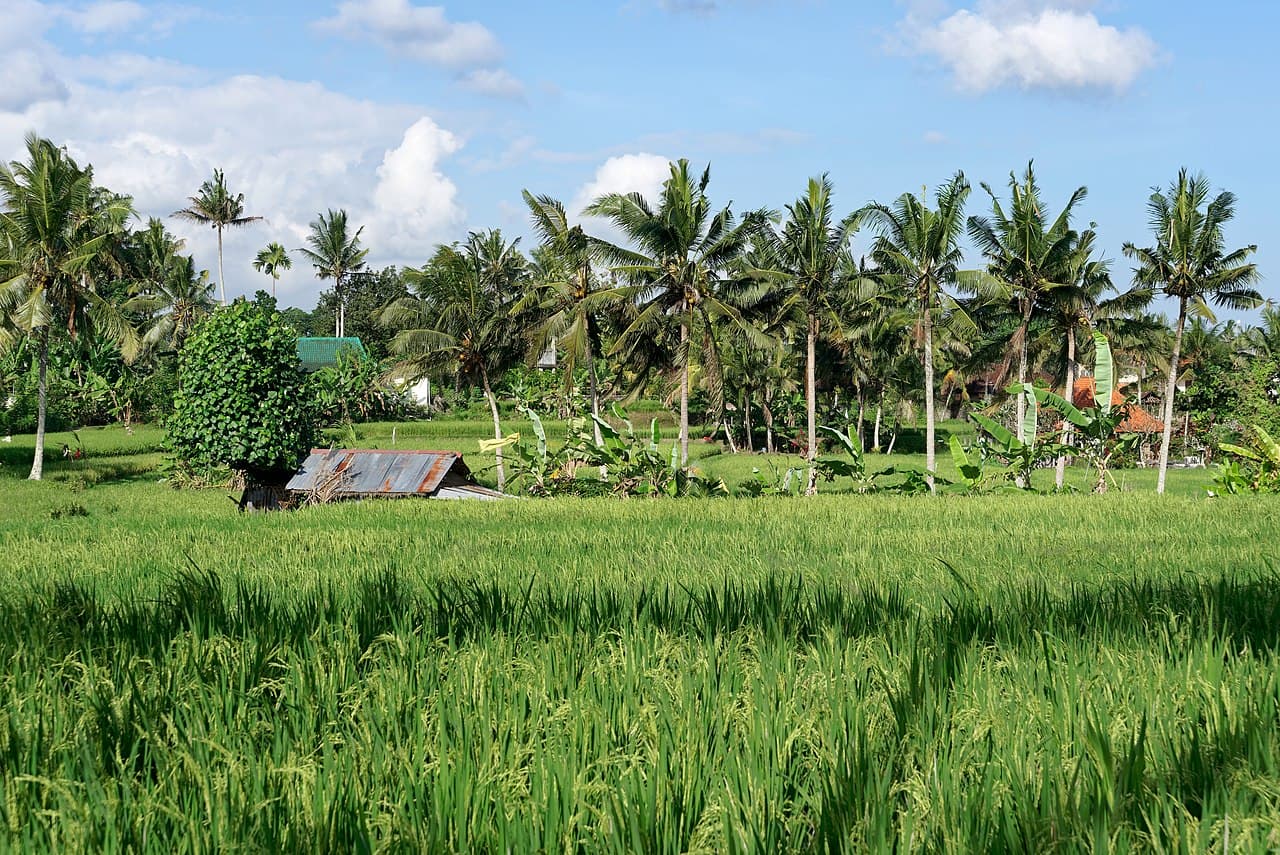
Ubud is inland Bali: rice terraces, jungle, temples, river valleys. It's where the yoga scene is densest and where the word "retreat" was first attached to the island. You'll find the biggest shalas (Yoga Barn, Radiantly Alive, The Practice, Ubud Yoga House), hundreds of vegetarian restaurants, and easy access to things like the Campuhan Ridge walk, Tegalalang rice terraces, and Tirta Empul water temple.
The flip side: Ubud's center is busy. Traffic in the afternoon is real, and the most famous streets can feel like a wellness theme park in July and August. Choose a retreat in Penestanan, Tegallalang or Nyuh Kuning and you'll get the jungle-and-frogs soundtrack most people come for. For more on the town itself, see things to do in Ubud.
Canggu — beach and a younger crowd
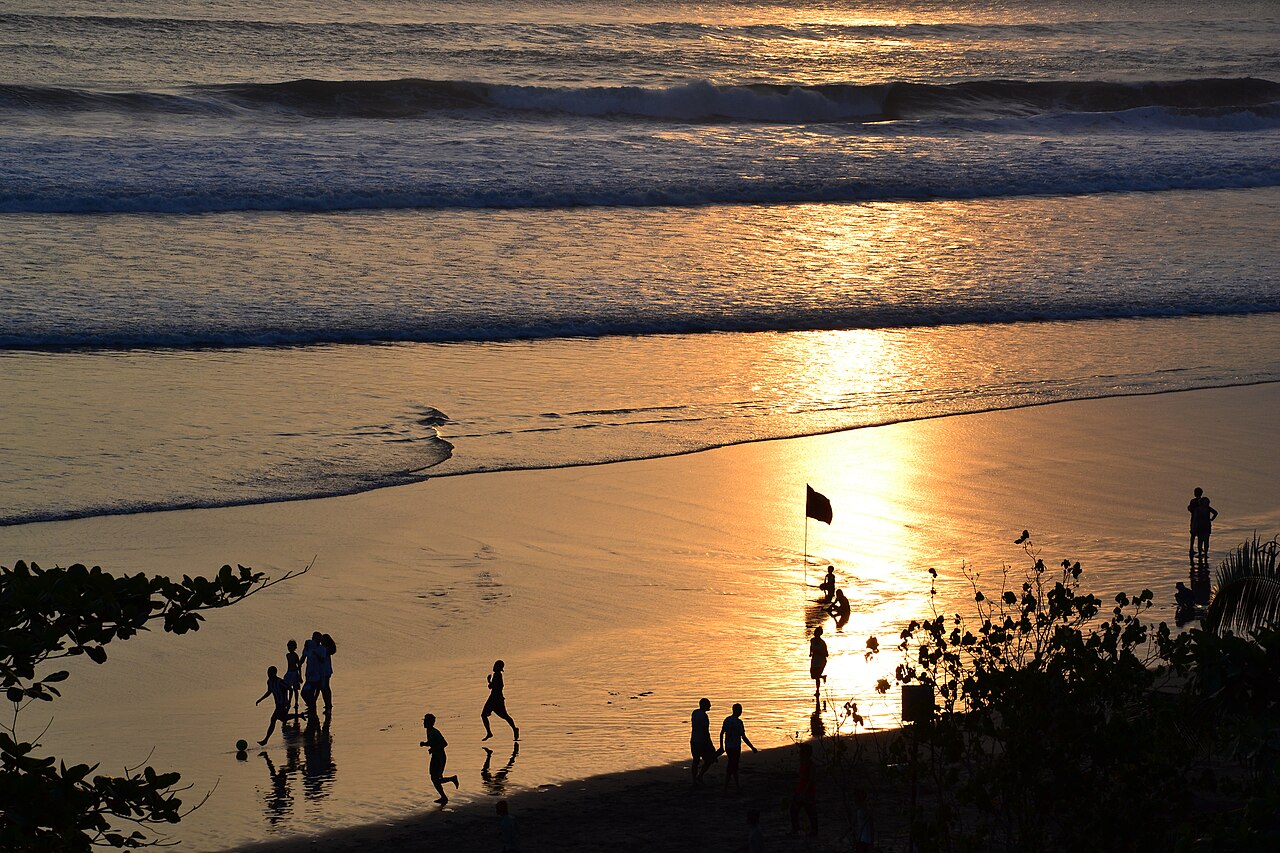
Canggu sits on the southwest coast, about 45 minutes from Ubud. The vibe is surf + digital nomad: beach clubs, co-working spaces, smoothie bowls, and a sizable yoga scene at Samadi, Pranava, The Practice Canggu and Serenity Eco-Guesthouse in neighboring Pererenan. Classes tend to be a bit more fitness-oriented — sweatier vinyasa, a fuller ashtanga scene, rocket yoga.
Come to Canggu if you also want to surf or paddleboard, if you like the idea of finishing practice with a swim, and if you're okay with scooter traffic on the school run. Skip Canggu if you want quiet — it's the opposite of that.
Uluwatu — clifftop, quieter, ocean views
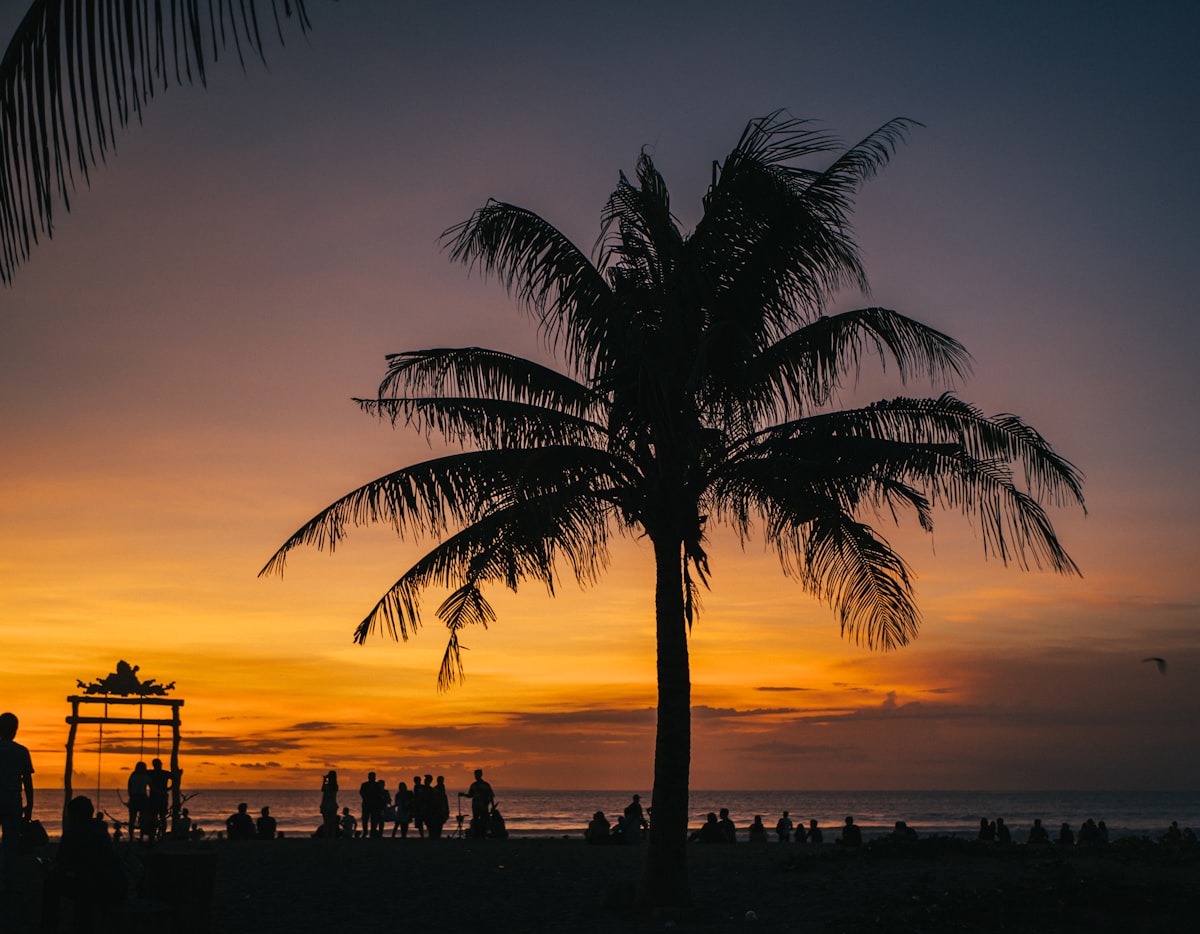
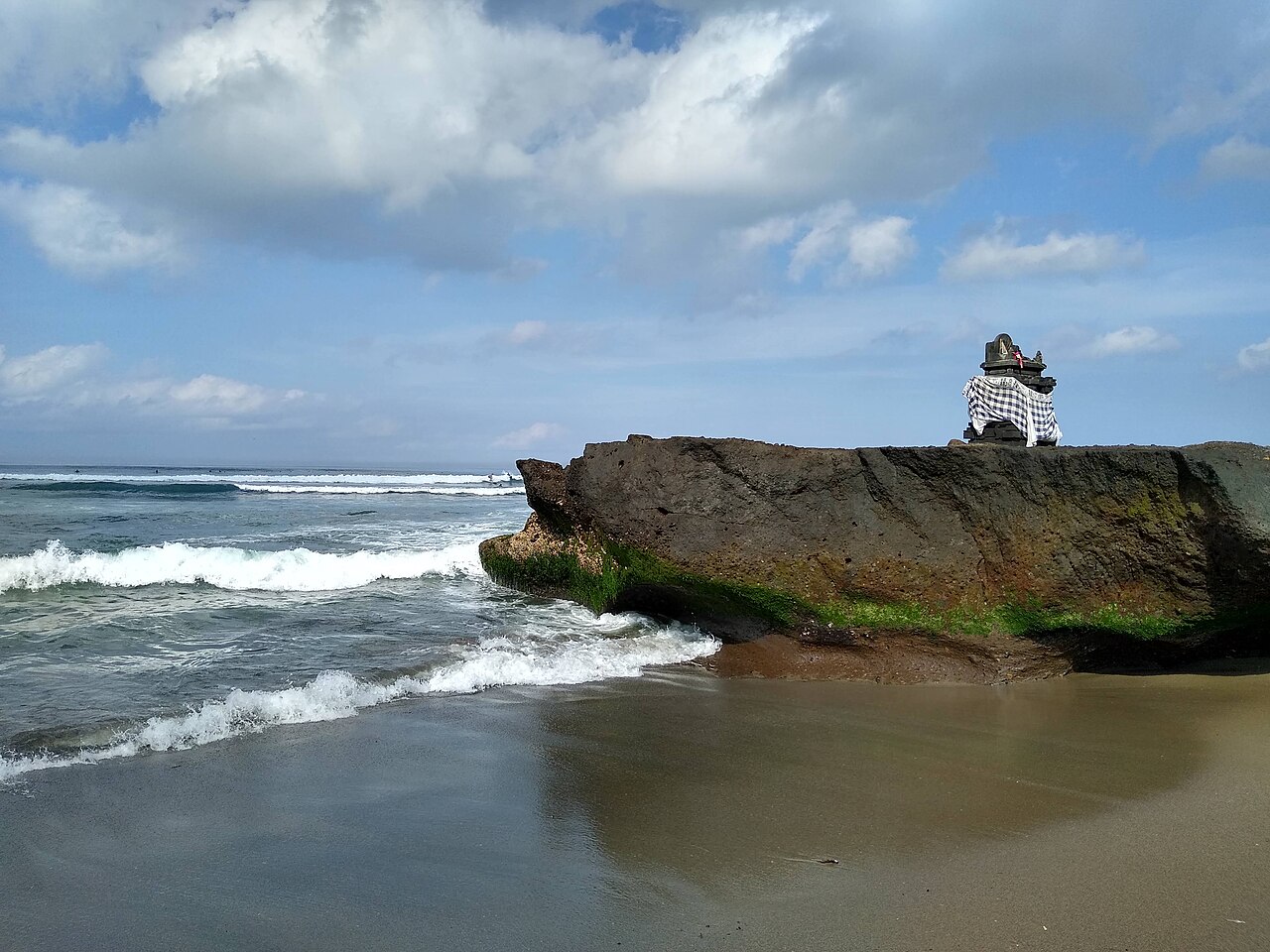
Uluwatu, at the southern tip of the island, is the underrated yoga region. The Bukit peninsula sits on dramatic limestone cliffs, the air is drier than Ubud, and a handful of small retreats (around Bingin, Pecatu, and Ungasan) offer sunset classes with the Indian Ocean 80 meters below. Morning practices often happen facing Uluwatu's famous surf breaks.
Uluwatu suits couples and people who want the beach without Canggu's density. The tradeoff: fewer restaurants, a car-dependent layout, and a longer transfer from the airport (though technically closer by distance, the traffic through Jimbaran is slow).
Sidemen and East Bali — the quietest option
For travelers who really want to unplug, the Sidemen valley between Mount Agung and the east coast is the least-touristed retreat area on the island. A few small centers host 7- to 10-day retreats in rice-field settings with no nightlife, no beach clubs, no Starbucks — just volcano views and the local warungs. Transfers from the airport run 2 to 2.5 hours.
How long should your Bali yoga retreat be?
3 days: Barely a retreat — closer to a "yoga weekend." Fine as an add-on to a longer Bali trip, not enough time to reset if it's your whole reason for flying.
7 days: The sweet spot for most people. Long enough for your body to adapt, your sleep to improve, and a real sense of community to form. Short enough that you still have time afterward to see the rest of the island.
10 to 14 days: Where meaningful change tends to happen — particularly if you're using the retreat to break an exercise rut or recover from burnout. Consider splitting into one week at a retreat plus one week with a guide exploring the island.
21+ days or a yoga teacher training (YTT): A different category. Usually only worth booking if you have a professional reason or have already done several retreats.
What to look for in a reputable retreat
The yoga market in Bali is lightly regulated. A few things we tell friends and clients to check before they wire a deposit:
- Named teachers with public bios. Real retreats list their lead teachers by name, with training lineage (Iyengar, Ashtanga, Jivamukti, etc.) and years of teaching. If the website just says "our experienced team," keep looking.
- Small group size. More than 16 people per class starts to feel like a gym. The best residential retreats cap at 10–14.
- A transparent schedule. You should be able to see the daily timetable on the website — including rest afternoons. Retreats that hide the schedule often have less programming than advertised.
- Real food information. Credible retreats name their chef or kitchen style (plant-based, sattvic, macrobiotic), note whether meals accommodate allergies, and often show sample menus.
- A proper website and reviews. Not just an Instagram page. TripAdvisor, Google Maps and specialist platforms like BookYogaRetreats all help cross-check.
Red flags:
Want us to plan this trip for you?
Our certified guide will create a personalized itinerary based on your interests, pace, and travel style.
Get Your Free Itinerary- Vague wellness language with no substance ("holistic", "transformational journey", "unlock your highest self") and no daily schedule to back it up.
- Promises of "guaranteed transformation" or specific healing outcomes. Any retreat making clinical claims should be treated like any other clinical claim — with skepticism.
- No refund or reschedule policy published before booking.
- Impossibly low prices in Ubud center with "luxury villa" photos that don't match the Booking.com listing for the same address.
Typical Bali yoga retreat prices
Prices below are per person, per night, with shared or private accommodation and full board.
Budget ($80–150 USD/night). Small guesthouse-style retreats, shared rooms or simple private rooms, two classes a day, vegetarian meals cooked on site, limited excursions. Common in Ubud's outer neighborhoods and Canggu. Good value if you're social.
Mid-range ($180–300 USD/night). Boutique centers with pools, private rooms, two classes plus one workshop daily, better-designed menus, one or two included excursions (a rice-field walk, a temple visit). This is where most first-time retreat-goers end up.
Premium ($350–700+ USD/night). Luxury wellness resorts with individual consultations, spa treatments, one-to-one teachers, and thoughtful programming. Often in Ubud's river valleys or on the south cliffs.
What's usually included: accommodation, all meals, yoga and meditation sessions, airport transfers (sometimes), at least one cultural excursion. Usually not included: spa add-ons, alcohol (most retreats don't serve it anyway), extra workshops, and side trips.
What a daily schedule looks like
A typical 7-day residential retreat day:
- 6:30 AM — Tea and light fruit
- 7:00 AM — Morning practice (90 min, usually vinyasa or hatha, meditation, pranayama)
- 9:00 AM — Breakfast (plant-based, buffet-style)
- 10:30 AM – 3:30 PM — Free time or a scheduled excursion (waterfall, temple, market)
- 4:00 PM — Afternoon workshop or a gentler practice (yin, restorative, philosophy, chanting)
- 6:30 PM — Dinner
- 8:00 PM — Evening circle, sound healing, or meditation — optional
- 9:30 PM — Lights out
Intensity varies. A "gentle" retreat might have 2.5 hours of practice a day. An ashtanga retreat can push past 4. Ask the question before you book.
Combining a retreat with guided touring
This is the main reason clients contact us. A week of yoga in Ubud is wonderful, but you've flown a long way and most people want to see more of Bali before heading home.
The combinations that work best:
- 7-day Ubud retreat + 3–5 days with a private guide. Post-retreat, we take travelers to East Bali (Amed for snorkeling, Sidemen for the rice fields), or Nusa Penida for a dramatic day trip. The guide picks you up from the retreat at checkout — no scrambling.
- 5-day Canggu retreat + honeymoon-style villa week. Good for couples who want activity plus beach time.
- 10-day Uluwatu retreat + 3-day cultural add-on. A day of temples (Tirta Empul, Uluwatu sunset Kecak dance), a Mount Batur sunrise trek for those who want it, a cooking class.
Because we're a small family of certified guides (my wife is Ministry-certified in French and Mandarin, and my parents-in-law guide in Mandarin), we're comfortable building retreats for Francophone and Chinese-speaking travelers who want post-retreat touring in their own language — a small thing that makes a real difference after a week of settling into Bali. See guided tours for how it works.
Practical notes: we handle airport-to-shala transfers (a flat $35–45 USD from Ngurah Rai to Ubud), Sanur-to-Nusa day trips including the fast-boat ticket, and mid-retreat logistics if you want a day off-site. For families adding kids to a retreat destination, see our Bali with kids guide.
FAQ
Is Bali good for a first yoga retreat?
Yes — arguably the best option globally for a first retreat. The yoga community is well-established, most centers are used to absolute beginners, vegetarian food is the default rather than a compromise, and the cost is roughly half of a comparable retreat in the US or Europe. Start with a 5- or 7-day all-inclusive retreat in Ubud.
When is the best time for a yoga retreat in Bali?
May, June and September are the sweet spots — dry season, fewer crowds than July–August peak, reasonable prices. July and August are fine but book 3+ months ahead. The November–March wet season still works for yoga (covered shalas), with the upside of lower rates and greener rice fields. See our best time to visit Bali guide.
Do I need to be experienced to join a Bali yoga retreat?
No. The majority of all-inclusive retreats in Ubud and Canggu explicitly welcome beginners and mark their classes "all levels." Check the description — if the retreat lists "mysore-style ashtanga" or "advanced asana," it's not the one for you. Intro-friendly retreats are happy to say so on their website.
What's included in an all-inclusive Bali yoga retreat?
Typically: accommodation, three meals a day, all scheduled yoga and meditation sessions, filtered water, basic mats and props, and often airport transfers plus one or two cultural excursions. Not included: flights, visa, spa add-ons, personal bodywork, alcohol, tips for teachers, and any off-schedule activities.
How do I avoid touristy or low-quality retreats?
Cross-check three things: named teachers with a verifiable training lineage, a published daily schedule, and at least 20+ recent reviews (Google, TripAdvisor, BookYogaRetreats). Skip anything that promises "guaranteed transformation," hides prices behind a form, or has an Instagram-only presence. Ask a local travel contact — we're happy to suggest retreats we've seen friends return to.
Are silent retreats common in Bali?
Less common than regular yoga retreats, but they do exist — mostly in Ubud's outer villages, Sidemen, and a few centers in north Bali. Durations run 3 to 10 days. They're best suited to travelers with existing meditation practice; the first 48 hours of silence are genuinely hard. Expect Vipassana-style formats with one or two dharma talks per day.
Can couples book a Bali yoga retreat together?
Yes, and many retreats actively cater to couples with private twin or queen rooms and optional couples' workshops. Uluwatu and Ubud's luxury tier are the easiest regions for couples who want a shared experience with some privacy. A few smaller retreats only offer dorm-style rooms — always check the accommodation details before booking.
Cover photo: "Fields in Ubud, Bali, Indonesia, 20220822 1455 0155.jpg" by Jakub Hałun via Wikimedia Commons, licensed under CC BY-SA 4.0.
Related Guides
<!-- internal-link-sweep:2026-04-29 -->
Certified Travel Guide & Co-Founder
A certified Bali guide credentialed by the Indonesian Ministry of Tourism, fluent in French, Mandarin, English, and Indonesian. Part of a family of certified guides who have been guiding travelers across Bali for many years — sharing temples, rice terraces, and hidden corners that never make the brochures.
Languages: French · Mandarin · English · Indonesian
Ready to discover Bali?
Tell us about your dream trip and our local experts will craft a personalized experience just for you.
Start Planning