Bali Diving Guide — Best Sites, Costs & When to Go (2026)
From the USS Liberty wreck at Tulamben to manta rays at Nusa Penida and the wall dives of Menjangan, here's an honest local guide to Bali's best diving — costs, seasons, and who each site is really for.
In This Guide
- Bali's Top 5 Dive Sites
- 1. USS Liberty Wreck, Tulamben — The Classic
- 2. Nusa Penida — Manta Rays & Mola Mola
- 3. Menjangan Island — Bali's Best Walls
- 4. Amed — Beginner-Friendly Variety
- 5. Padang Bai — Muck Diving & Blue Lagoon
- Dive Sites Comparison
- Costs — What to Really Expect
- Picking the Right Operator
- Seasonality — When to Dive What
- Beginner Friendly: Can Non-Divers Still Enjoy This?
- What to Bring (vs. Rent)
- How to Combine Diving with a Bali Trip
- Safety Reality Check
- Frequently Asked Questions About Bali Diving
- What is the best dive site in Bali?
- When is the best time to dive in Bali?
- Can beginners dive in Bali?
- How much does it cost to dive in Bali?
- Is Bali good for snorkeling if I don't dive?
- Do I need to book diving in advance?
- Making Diving Part of Your Bali Trip
- Related Guides
Quick answer: Bali has world-class diving year-round. The USS Liberty wreck at Tulamben is the top site (accessible even to snorkelers). Nusa Penida offers manta rays year-round and mola mola (sunfish) from July to October. Menjangan Island has Bali's best wall dives. Costs: $35–50 per fun dive, $70–90 for a 2-tank day, $350–450 for an Open Water certification. Best conditions are April–November.
Bali doesn't always get the same diving reputation as Komodo or Raja Ampat, but it should. The island sits at the edge of the Indonesian Throughflow — a massive current that pulls cold, nutrient-rich water from the Pacific into the Indian Ocean — which is why you can see manta rays and mola mola here year after year, often from shore.
I'm a certified local guide, not a dive instructor, but our family has been sending visitors diving here for years. I know which operators are safe, which sites are beginner-friendly, and which ones will get you in over your head (sometimes literally — Nusa Penida has currents that have humbled experienced divers). Here's the honest breakdown.
Bali's Top 5 Dive Sites
1. USS Liberty Wreck, Tulamben — The Classic
Depth: 5–30 meters Level: All levels (snorkelers can see the hull) Best season: Year-round, best visibility April–November
The USAT Liberty is a 120-meter WWII American cargo ship torpedoed by a Japanese submarine in 1942. It now rests on a black sand slope about 30 meters off the beach at Tulamben — you literally walk into the water with your tank and swim there.
This is probably the most dived wreck in Southeast Asia. The bow sits at 5 meters; the stern at 30. It's coated in soft corals and fish life — bumphead parrotfish at sunrise, giant trevally, napoleon wrasse, schools of jackfish.
Why it's special: Accessible shore dive, massive penetration possibilities for certified wreck divers, and the 5-meter bow means even snorkelers get the experience.
Best time of day: 7 AM — this is when the bumphead parrotfish gather over the wreck. Worth the early start.
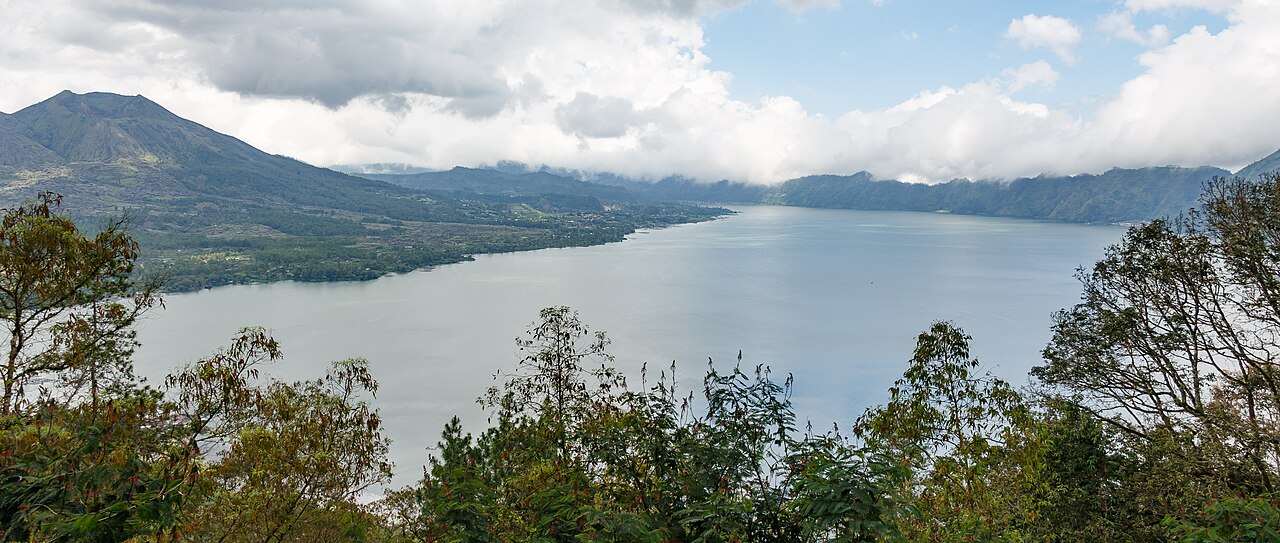
 Nusa Penida's dramatic coastline — home to world-class manta ray and mola mola dive sites.
2. Nusa Penida — Manta Rays & Mola Mola
Depth: 10–40 meters Level: Intermediate to advanced (strong currents) Best season: Manta rays year-round, mola mola July–October
Nusa Penida is serious diving. The currents that bring the big fish also make these sites challenging — expect down-currents, wash-through channels, and temperature drops to 18°C around mola mola season.
Top sites:
- Manta Point — year-round chance to see manta rays (wingspan 3–5 meters). Depth 10–15 meters, current manageable. Beginner-friendly as Penida sites go.
- Crystal Bay — the mola mola (ocean sunfish) site. These massive fish come up from deep water between July and October when temperatures drop. Not for beginners.
- Toyapakeh — vibrant coral wall, current-dependent
- Blue Corner — advanced only, serious currents
Most dive operators run day trips from Sanur (fast boat, 35 minutes). Cost: $100–140 for 2-tank day trip including boat, gear, guide, lunch.
3. Menjangan Island — Bali's Best Walls
Depth: 10–60 meters Level: Open Water and above Best season: April–November (visibility up to 30 meters)
Menjangan sits off Bali's northwest coast inside West Bali National Park. The diving is wall-based: sheer drop-offs covered in soft corals, gorgonians, and sponges, with reef fish and the occasional passing turtle or reef shark.
This is the site experienced divers come back to. Calm conditions (inside the park, protected), incredible visibility, and fewer crowds than Tulamben. The downside: it's a 3–4 hour drive from the south, so you either go overnight or it becomes a very long day.
4. Amed — Beginner-Friendly Variety
Depth: 5–25 meters Level: All levels Best season: April–November
Amed is where most divers get certified in Bali. Shallow coral gardens accessible from shore, a small Japanese patrol boat wreck (beginner-friendly wreck dive at 8 meters), and the Pyramids (artificial reef project attracting tons of marine life).
The diving isn't as dramatic as Nusa Penida, but for learning, relaxing dives, or underwater photography, Amed is perfect.
5. Padang Bai — Muck Diving & Blue Lagoon
Depth: 5–25 meters Level: All levels (Blue Lagoon), advanced (Jetty) Best season: Year-round
Padang Bai has two personalities. Blue Lagoon is a calm, shallow coral site perfect for beginners. The Jetty, on the other hand, is one of Bali's best muck diving sites — not pretty but loaded with rare critters (frogfish, ghost pipefish, octopus, rhinopias). Muck divers know.
Dive Sites Comparison
| Site | Best for | Depth | Currents | Travel time |
|---|---|---|---|---|
| USS Liberty (Tulamben) | All levels, wreck | 5–30m | None | 2.5h from south |
| Nusa Penida | Manta, mola mola | 10–40m | Strong | 35min boat from Sanur |
| Menjangan | Wall dives, advanced | 10–60m | Mild | 4h from south |
| Amed | Beginners, photography | 5–25m | None–mild | 2.5h from south |
| Padang Bai | Muck, beginners | 5–25m | Mild–strong | 1.5h from south |
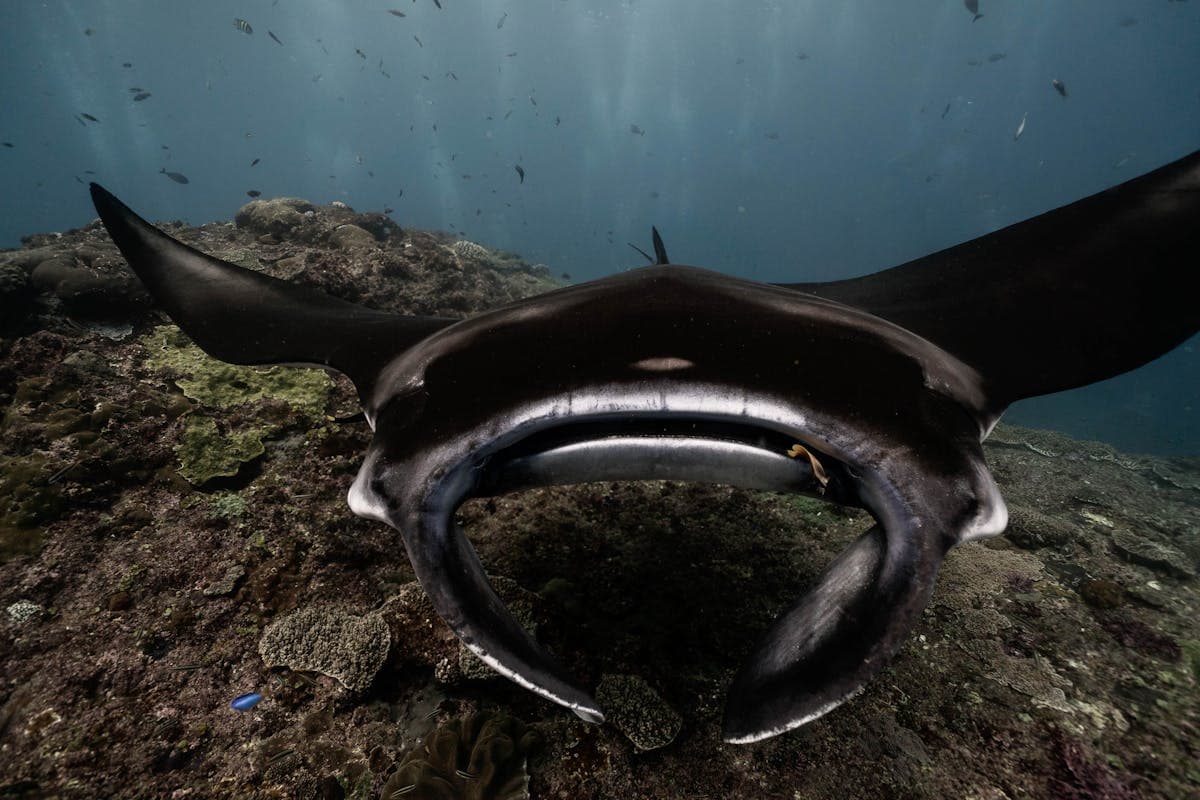
 Manta rays are a year-round sight at Nusa Penida's Manta Point — one of the most reliable big-animal encounters in Southeast Asia.
Costs — What to Really Expect
Prices in Bali are fair by international standards. Here's what you'll actually pay in 2026:
- 1 fun dive (shore): $35–50
- 2-tank day (local sites): $70–90
- 2-tank day at Nusa Penida: $100–140
- Menjangan day trip: $130–180
- Open Water certification (3–4 days): $350–450
- Advanced Open Water (2–3 days): $300–400
- Rescue Diver course: $400–500
- Private guide surcharge: +$30–50 per day
- Nitrox tank (certified): +$10
What's included: Tank, weights, BCD, regulator, wetsuit, guide, boat (if applicable), lunch on day trips, certification fees.
What's extra: Dive computer rental (~$10/day if you don't have one), underwater camera rental, any tips (10–15% is standard for good service).
Picking the Right Operator
There are 100+ dive shops in Bali. Most are fine, a handful are outstanding, and a few cut corners. What to look for:
- PADI or SSI 5-Star dive center (not just PADI instructor, but the shop itself certified)
- Max 4 divers per guide (more than that, conditions become unsafe fast at places like Nusa Penida)
- Clearly maintained gear (regulators serviced, BCDs in good shape, O2 on boat)
- Briefing quality — a good operator briefs for 10+ minutes on every site including exit strategy if currents change
- Nitrox available if you want it
- Online reviews beyond Google — check dive-specific forums and Facebook groups
Red flags: Cheap prices that seem too good, reluctance to show gear before you pay, groups of 8+ with one guide, no oxygen on boat.
Want us to plan this trip for you?
Our certified guide will create a personalized itinerary based on your interests, pace, and travel style.
Get Your Free ItineraryThe best dive-shop concentrations are in Tulamben/Amed (dozens of operators, most family-run and excellent) and Sanur (best base for Nusa Penida trips).
Seasonality — When to Dive What
| Month | Tulamben | Nusa Penida | Menjangan | Notes |
|---|---|---|---|---|
| Jan–Mar | Fair | Okay (rain) | Poor visibility | Rainy season |
| Apr | Great | Great | Great | Shoulder season bliss |
| May–Jun | Great | Great | Great | Optimal conditions |
| Jul–Oct | Great | Great + mola mola | Great | Cold water Penida, but mola mola |
| Nov | Great | Great | Great | Still dry |
| Dec | Fair | Variable | Variable | Rainy season begins |
Mola mola season (July–October) is when divers fly in specifically for Bali. The ocean sunfish come up to clean at reef stations — massive, 3-meter, prehistoric-looking creatures. Water gets cold (18–20°C), you'll want a 5mm wetsuit or hood.
Manta season is year-round at Manta Point, but December–February can have reduced visibility due to rain runoff.
Beginner Friendly: Can Non-Divers Still Enjoy This?
Yes, and I tell couples this all the time. You have three options if one of you dives and the other doesn't:
- Snorkel at Tulamben — the USS Liberty wreck starts at 5 meters. Snorkelers see the entire hull outline. Excellent, often better than many beginner dives.
- Snorkel with manta rays at Manta Point — same trip, boat drops divers and snorkelers at the same site. Manta rays swim near the surface.
- Get certified during your trip — the Open Water course takes 3–4 days and costs $350–450. Most people do it in Amed. You'll be a certified diver by the end of your Bali trip.
Our Nusa Penida day trip guide covers the snorkeling options in more detail.
What to Bring (vs. Rent)
Most divers bring nothing — everything rents in Bali, and it's cheaper than paying baggage fees. But these items are worth bringing:
- Dive computer — rental is $10/day which adds up over a week
- Mask (rental masks are often worn or leaky)
- Reef-safe sunscreen (big difference at Menjangan)
- Long wetsuit if you run cold — shop rentals are often 3mm shorty, too thin for Penida in mola mola season
- Seasickness medication for the Nusa Penida boats
Gear you do NOT need to bring: BCD, regulator, fins, tanks. Rentals are fine.
How to Combine Diving with a Bali Trip
A dive-focused trip base in either Amed/Tulamben (best for multi-day diving, variety) or Sanur (best for Nusa Penida access). From there, diving fits easily into a broader trip:
- Tulamben/Amed base: Combine with rice terraces at Sidemen (1 hour), Mount Agung views, eastern temples
- Sanur base: Combine with Nusa Penida trips and quick access back to Ubud or the airport
For a full eastern Bali circuit that includes diving, see our 10-day itinerary.
If you want to mix diving with other activities and don't want to coordinate every transfer, our private driver service handles all the logistics — early morning pickups to Tulamben are especially valuable since bumphead parrotfish require arrival by 7 AM.
Safety Reality Check
Bali diving is generally safe, but the ocean does not negotiate. Things to know:
- Nusa Penida currents are real. I've seen experienced divers get pushed 500 meters off their planned route. Stay close to your guide, use SMB signaling, and don't skip the briefing.
- Surface intervals matter. If you're flying within 24 hours, don't dive. Altitude from flights after deep dives risks decompression sickness.
- Mobile coverage is patchy in remote areas (Menjangan especially). Share your plan with someone before day trips.
- Travel insurance with diving coverage is not optional. Regular travel insurance usually excludes diving. Get a DAN (Divers Alert Network) membership or a diver-specific policy.
- Nearest chamber is in Denpasar. Most operators know the protocol, but confirm they have O2 and emergency contacts before diving.
Frequently Asked Questions About Bali Diving
What is the best dive site in Bali?
The USS Liberty wreck at Tulamben is the most iconic and accessible — it's a shore dive suitable for all levels, loaded with marine life. For big animals, Nusa Penida's Manta Point is the standout. For experienced divers seeking walls, Menjangan Island offers Bali's best visibility and coral.
When is the best time to dive in Bali?
April to November offers the best overall conditions with calm seas and good visibility. July to October is mola mola (ocean sunfish) season at Nusa Penida — the peak time for advanced divers. December to March has reduced visibility due to rainy-season runoff, though manta rays are still reliable year-round.
Can beginners dive in Bali?
Yes. Amed and Padang Bai's Blue Lagoon are ideal for first-time divers and Open Water courses. Tulamben is accessible to Open Water-certified divers. Avoid Nusa Penida until you have at least 20 logged dives due to strong currents.
How much does it cost to dive in Bali?
A single fun dive costs $35–50, a 2-tank local day costs $70–90, and a Nusa Penida day trip runs $100–140. Open Water certification takes 3–4 days and costs $350–450. Advanced Open Water adds $300–400.
Is Bali good for snorkeling if I don't dive?
Absolutely. The USS Liberty wreck starts at 5 meters — snorkelers can see the entire hull. Manta Point and the mangroves at Nusa Lembongan offer excellent snorkeling. Amed and Menjangan also have shallow coral gardens accessible from shore. See our Nusa Penida day trip guide for details.
Do I need to book diving in advance?
During peak season (July–September) and for Nusa Penida trips, book 3–5 days ahead. Tulamben/Amed operators usually accept walk-ins outside peak season. Open Water courses need 3–4 consecutive days so plan those into your itinerary.
Making Diving Part of Your Bali Trip
Bali's best diving isn't in the south — it's on the east coast (Tulamben, Amed) and offshore (Nusa Penida, Menjangan). If you're basing your whole trip in Seminyak or Canggu, you're going to spend half of every dive day in the car.
The simplest fix is to plan 3–4 nights in eastern Bali as part of your circuit, base from there for the diving, and let the rest of your trip be about rice terraces, temples, and the mountains. That's the setup I recommend to every diver who contacts our team.
If you want help putting that together — private driver for transfers, accommodation recommendations, connections to trusted dive operators — our family team is happy to help. We respond in English, French, or Mandarin within 24 hours.
Written by Ohana, a family of guides certified by the Indonesian Ministry of Tourism. Prices verified April 2026. This article is informational — we are not a dive operator. Always follow the direct guidance of your certified dive professional and dive within your training limits. Not a substitute for professional dive training or medical advice.
Related Guides
<!-- internal-link-sweep:2026-04-29 -->
Certified Travel Guide & Co-Founder
A certified Bali guide credentialed by the Indonesian Ministry of Tourism, fluent in French, Mandarin, English, and Indonesian. Part of a family of certified guides who have been guiding travelers across Bali for many years — sharing temples, rice terraces, and hidden corners that never make the brochures.
Languages: French · Mandarin · English · Indonesian
Ready to discover Bali?
Tell us about your dream trip and our local experts will craft a personalized experience just for you.
Start Planning