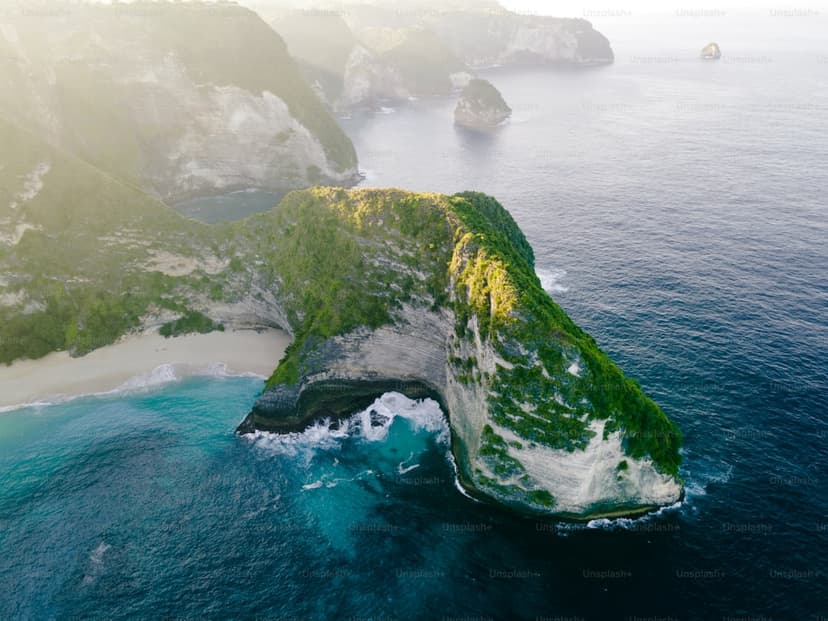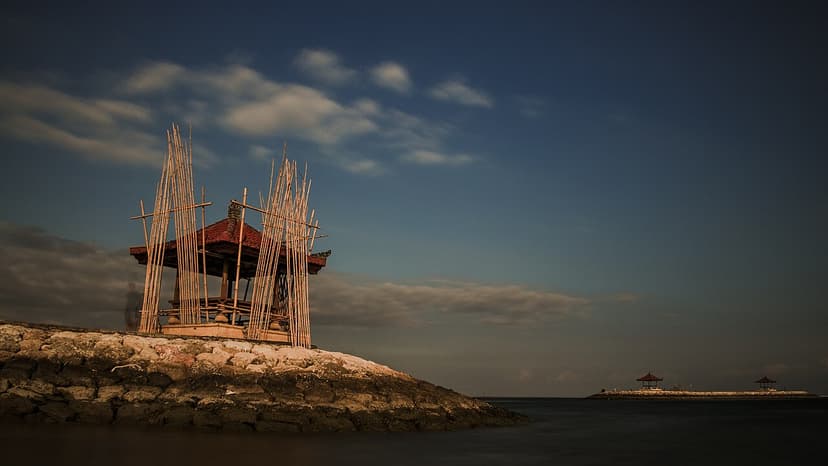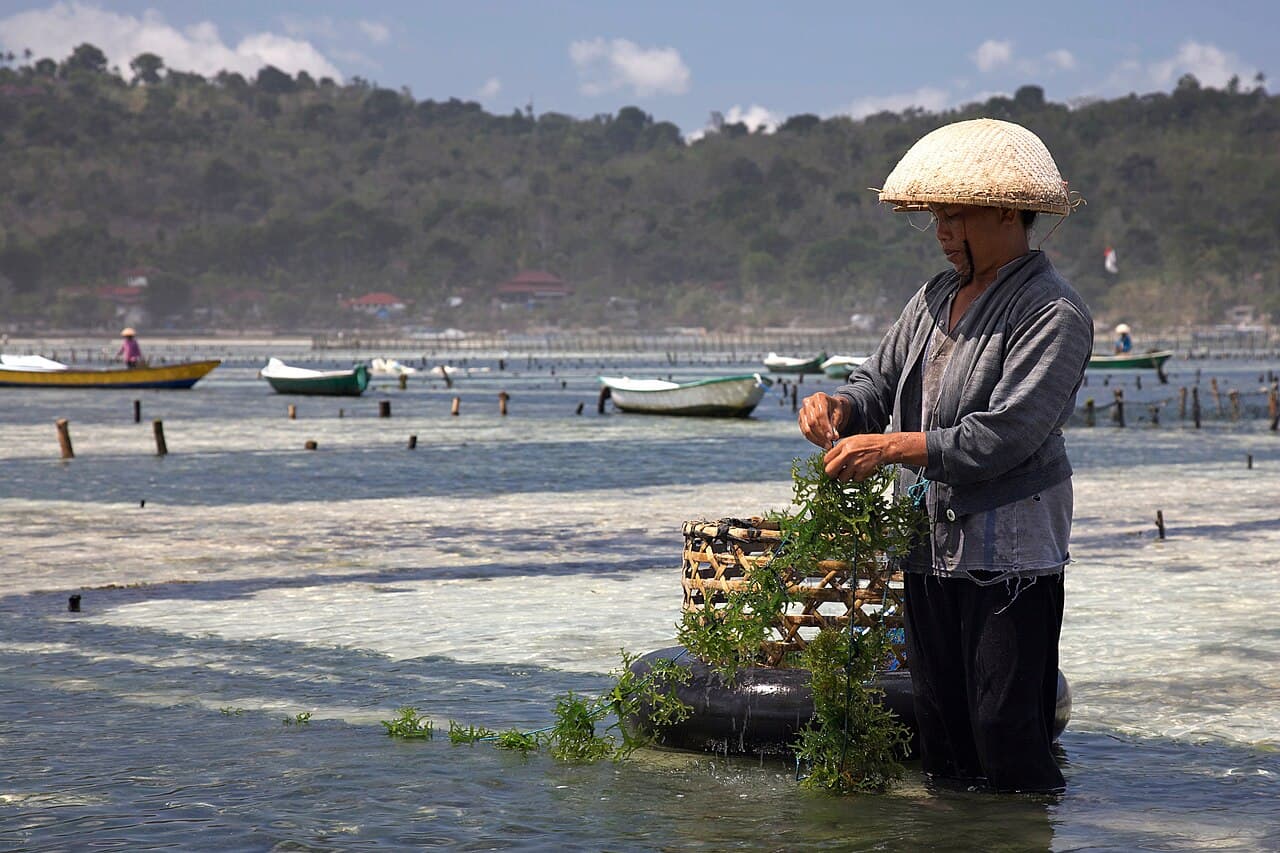
Quick answer: Nusa Lembongan is the calm, beach-focused sister island of Nusa Penida — 30 to 45 minutes by fast boat from Sanur. It is small (about 8 km²), easy to scoot around, and built for slow travel: swimming at Mushroom and Dream Beach, snorkeling Manta Point and Crystal Bay, surfing intermediate breaks at Shipwrecks and Playgrounds, a calm jukung mangrove tour, and a walk across the yellow suspension bridge to the Blue Lagoon on Nusa Ceningan. Stay 2 to 4 nights. Best from April to October. Easier roads and more accommodation than Penida — choose Lembongan if you want a beach holiday rather than a cliff-photo road trip.
Nusa Lembongan is the island that travelers who tried to "do" Nusa Penida in a single day usually wish they had visited instead. It sits just off Sanur, between mainland Bali and Penida, and it is everything Penida is not: small, calm, walkable in places, easy to scoot, with a real cluster of cafes and warungs along the beach instead of two-hour drives between viewpoints. Our family of certified French and Mandarin speaking guides — Indonesian, originally from Medan and based in Bali for years — has been arranging trips here for guests who want a slower, swimmable, snorkel-heavy holiday rather than a cliff-edge road trip. If you only have time for one of the Nusa islands and you want to actually be on the beach rather than fighting potholes, Lembongan is almost always the right call.
Nusa Lembongan vs Nusa Penida — the real difference
The two islands are 10 minutes apart by local boat and they share the same turquoise water, but the on-the-ground experience is very different. We get this question almost every week, so here is the honest version:
| Feature | Nusa Lembongan | Nusa Penida |
|---|---|---|
| Size | Small (about 8 km²) | Large (about 200 km²) |
| Roads | Mostly paved, narrow but easy | Rough, potholed, often need 4WD |
| Vibe | Calm beach island, walkable hubs | Dramatic cliffs, big distances |
| Headline sights | Beaches, snorkeling, Devil's Tear, mangroves | Kelingking, Diamond Beach, Broken Beach |
| Crowds | Steady but mellow | Heavy at hotspots, empty elsewhere |
| Accommodation density | High — lots of guesthouses, villas, small resorts | Lower — clusters around Toyapakeh and the south |
| Best activity | Swim, surf, snorkel, slow days | Cliff sightseeing, manta dives |
| Stay length | 2 to 4 nights | 2 nights minimum |
| Family friendliness | High | Medium (steep descents, rough roads) |
| Day trip viable? | Yes, comfortably | Possible but rushed |
If you want the punchy summary: Penida is for the photos, Lembongan is for the holiday. The travelers who like Lembongan most are the ones who already know they want a quiet beach island and not a road trip. Many of our guests do both — one or two nights on Lembongan to decompress, then ferry across to Penida for the cliffs. Our Nusa Penida destination guide covers the bigger neighbor, and the Nusa Penida vs Nusa Lembongan comparison blog post walks through specific itineraries.
The beaches of Nusa Lembongan
Lembongan's coastline is short — the main loop road traces it in well under an hour — but the variety packed into that loop is striking. Each beach has its own character, and most travelers end up choosing a favorite by the second day.
Mushroom Beach (Pantai Jamur) is the postcard cove on the west coast and the most popular spot for swimming. The bay is named for the mushroom-shaped coral heads visible just below the surface at low tide. The sand is white, the water is turquoise and usually calm because the bay is sheltered, and a row of beach clubs and restaurants sits directly behind the sand. Sunbeds run roughly 100,000 to 200,000 IDR per pair (often refundable against food and drinks). Mushroom Beach is the easiest place to spend a full lazy day on the island — order grilled fish, swim, repeat.
Dream Beach is the famous one, on the south coast about 10 minutes by scooter from Mushroom Beach. The cove is small and dramatic — a curve of pale sand pinched between two cliffs, with bigger swell than Mushroom and a strong shore break. It is genuinely beautiful, but it is not always safe to swim. On bigger swell days the waves are powerful and the rip can pull swimmers out. Watch other people in the water before going in, and keep close to shore. The cliff path north of Dream Beach leads to Devil's Tear, the blowhole where waves explode through eroded limestone — one of the best free shows on the island, especially at sunset.
Sandy Bay sits on the southwest corner, between Dream Beach and Mushroom Beach, and is a quieter version of both. Sandy Bay Beach Club is the long-running local landmark — a relaxed cliff-side venue with a pool deck above the cove. The beach itself is best at low to mid tide, when the lagoon opens up and the water gets shallow and clear. A handful of villas tuck into the hillside above; this is one of the calmer stretches to stay if you want to be away from the main hub.
Jungut Batu is the long beach on the north coast, where the fast boats arrive and depart. It runs roughly 1.5 kilometers and is more functional than scenic — fishing boats, small warungs, sunset drinks at beach bars, and a working jetty. It is also where most of the budget guesthouses sit, and where you launch surf boats out to the breaks just offshore. Jungut Batu is not where you come for a postcard, but it is the most affordable base on the island and the easiest for solo travelers and surfers.
Tamarind Beach and the smaller coves along the north coast are quieter, sand-and-coral inlets with a few warungs and snorkeling launch points. They reward exploring on a scooter for an afternoon.
Snorkeling and diving — Manta Point, Crystal Bay, Mangrove Point
The marine reserve around the three Nusa islands is the single best reason to come to Lembongan. The standard half-day snorkeling boat trip stops at three to four sites and reliably ranks as one of our guests' favorite half-days anywhere in Bali. Trips run from both Lembongan and Sanur — the boats are the same, the sites are the same, but launching from Lembongan saves you the morning crossing and means you are usually first at each spot.
Manta Point sits on the southern coast of Nusa Penida, about 30 minutes by speedboat from Lembongan's beaches. Strong currents around the point concentrate plankton, and the giant manta rays (some with wingspans over 4 meters) come in to feed and to use cleaning stations on the reef. Mantas are most reliably seen between May and October; sightings on a typical trip are common but never guaranteed. Swimming alongside one is an experience that even our most jaded guests talk about for years.
Crystal Bay is a sheltered bay on Nusa Penida's west coast, named for the visibility (often 20+ meters in dry season) and the white sand below. Snorkeling here is gentler than Manta Point, with a healthy reef and clouds of small fish. Divers also come to Crystal Bay between July and October for the chance to see the Mola Mola (oceanic sunfish), one of the strangest large fish in the ocean — that's a deeper dive, not a snorkel.
Mangrove Point, on the northern tip of Nusa Lembongan itself, is the calmest stop on most snorkeling tours. The shallow reef sits in protected water and is a good first stop for nervous swimmers and children. Coral here has been damaged in places by past anchor use, but conservation work has improved several sections, and the fish life is dense.
Wall Point and Ceningan Wall are deeper reef walls reserved for divers, with strong currents and big pelagic life. Several PADI dive shops run from Jungut Batu and Mushroom Beach.
For a fuller breakdown of the trip itself, our snorkeling tour service page explains how the half-day looks from Lembongan and Sanur. Bring a rash guard or wetsuit even on hot days — currents are real and reef sun exposure is brutal at the equator.
Surfing on Lembongan — Shipwrecks, Lacerations, Playgrounds
Lembongan has a small, dedicated surf scene that is mostly aimed at intermediate riders. The three main breaks all sit off the north coast, paddled to from Jungut Batu or reached by a 5-minute boat shuttle (around 50,000 IDR each way).
Playgrounds is the most forgiving of the three — a peaky right and left over a deep reef, with a long shoulder when it's working. A solid intermediate break and the most consistent on lighter days.
Lacerations is the punchier one. The break is short, fast, and sits over a shallow reef — the name is descriptive. Best on a smaller, cleaner swell with low to mid tide. Reef booties are not optional.
Shipwrecks is the heaviest of the trio. A long right-hander that breaks fast over reef when the swell is up — the local favorite and not a beginner wave. On a big day this is one of the best waves on the south coast of Indonesia.
There is no real beginner break on Lembongan; absolute first-timers are better off learning at Kuta or Canggu before coming. Several small surf schools in Jungut Batu run intermediate sessions and rent boards from around 100,000 IDR per day. Dawn sessions are best — the wind picks up by mid-morning.
The mangrove tour
The mangrove forest at the north end of Lembongan is the island's quiet wonder, and the boat tour through it is one of those activities that quietly turns into a highlight. Local boatmen paddle traditional jukung outriggers (no engine, very few mosquitoes despite what you might expect) through narrow channels under a tunnel of green. The water is glassy, the only sound is birds and the occasional fish strike, and a typical loop runs 45 to 60 minutes.
This is the most family-friendly activity on the island — calm water, shade, and short. Tours leave from the Mangrove Point area on the north coast and cost roughly 100,000 to 150,000 IDR (US$7 to 10) per person. Some operators combine it with a snorkeling stop on the way back. Early morning is the most peaceful time to go; afternoon often has more boats and slightly more chop.
Crossing to Nusa Ceningan — yellow bridge and Blue Lagoon
The yellow suspension bridge from Nusa Lembongan to Nusa Ceningan is one of those small landmarks that ends up on every visitor's camera roll. The bridge spans a narrow tidal channel separating the two islands and is open only to pedestrians and scooters — no cars. Walking across takes a couple of minutes, and the photo opportunity from the middle (turquoise water below, the islands curving away on either side) is genuinely worth the stop.
Once you're on Ceningan, the must-do is the Blue Lagoon — a deep cliff cove on the southeast coast where the water is a startling, otherworldly blue. There is a small platform for cliff jumping (around 13 meters), but only attempt it if you've watched locals go first and you know what you're doing. Even just sitting at the edge and watching the swell push into the cove is worth the scoot over.
Mahana Point has another well-known cliff jump (around 5 to 7 meters depending on the tide) and a small beach club that is a relaxed sunset spot. Ceningan is even smaller than Lembongan — 4 km² — and the whole island can be looped in 30 minutes by scooter. Most travelers do it as a half-day from Lembongan and ride back across the bridge for dinner.
Where to stay on Nusa Lembongan
Lembongan's accommodation has expanded a lot in recent years, but the destination is still small enough that location matters more than star rating. The four main areas each have a clear personality:
Jungut Batu (north coast) — Closest to the fast-boat jetty, longest beach, the budget heartland of the island. Family-run guesthouses and homestays sit one street back from the beach for 250,000 to 700,000 IDR (US$15 to 45) per night. Surfers, solo travelers, and anyone watching their budget tend to stay here. Walkable to dozens of warungs and beach bars.
Mushroom Beach (west coast) — More polished. Boutique hotels, villas with pools, and small beach clubs cluster around the cove. Prices run 1,000,000 to 3,500,000 IDR (US$65 to 230) per night for most properties. This is where couples on a long-weekend trip and travelers who want a swimming beach a few steps from their room usually base. Quieter at night than Jungut Batu.
Sandy Bay (southwest) — The premium pocket. A handful of cliff-side villas and small luxury resorts (some with infinity pools above the lagoon) for 3,500,000 IDR+ (US$230+) per night. Less dining within walking distance, but quieter, more dramatic, and stunning at sunset.
The interior and Lembongan Village — Family compounds and a few simpler stays, useful if you want a real local-village feel. Less convenient to the beach but the most affordable on the island.
A practical note: most properties on Lembongan arrange free or low-cost airport transfers from the jetty, scooter rental, snorkeling tours, and Ceningan trips. Use them. Independent operators on the street usually charge more than the price your guesthouse can negotiate.
How many days on Nusa Lembongan
Two to four nights is the right range for almost everyone. Here is how the days pan out:
One night — Possible but tight. You'll see one beach, do a snorkeling trip, and cross the bridge to Ceningan. Worth it if you're squeezing it into a short Bali trip, but you won't really decompress.
Two nights — The minimum to actually enjoy the island. Day one: arrive, lunch at Mushroom Beach, sunset at Devil's Tear. Day two: half-day snorkeling, afternoon at Dream Beach or Sandy Bay. Day three: cross to Ceningan in the morning, ferry back to Bali in the afternoon.
Three to four nights — The sweet spot. Adds the mangrove tour, a day of cycling or scooting the inland villages, time to surf or to take a beginner dive, and an unhurried Ceningan day. This is what we usually recommend for couples and families who want to truly slow down.
Five-plus nights — Only if you also want to detach from your phone. Lembongan rewards long stays, but most travelers will be itching for Penida or back to mainland Bali after four nights.
For travelers combining both islands, our most-booked combo in custom itineraries is 2 nights Lembongan + 2 nights Penida. The local boat between Toyapakeh (Penida) and Mushroom Beach or Jungut Batu (Lembongan) takes about 25 minutes and runs several times a day.
How to get to Nusa Lembongan
From Sanur (Bali mainland) — The standard route. Fast boats leave Pelabuhan Sanur (the new ferry port that opened in 2022) and reach Lembongan in 30 to 45 minutes. Departures typically run from 8 am to about 4:30 pm, with multiple operators including Maruti, Scoot Cruise, El Rey, Caspla, and Angel Billabong. One-way tickets are around 200,000 to 350,000 IDR (US$13 to 23) depending on operator and season. Reconfirm the day before in rough-sea months. Our Sanur destination guide covers the full ferry hub setup if you're spending a night before crossing.
From Padang Bai (east Bali) — A second route used mainly by travelers coming from Ubud, Sidemen, or East Bali who don't want to backtrack to Sanur. Crossings take 30 to 45 minutes, with fewer daily departures. Useful if you're already on the east coast.
From Nusa Penida — Local fast boats run between Toyapakeh on Penida and Lembongan's Jungut Batu or Mushroom Beach in about 25 minutes. Multiple departures daily, around 100,000 to 150,000 IDR (US$7 to 10) one-way. Easy to arrange the day before through your guesthouse.
By private boat charter — For groups, families, or travelers who want a flexible schedule, a private speedboat from Sanur or Serangan is the most comfortable option. Our boat charter service covers private crossings and full-day island-hopping options between Lembongan, Ceningan, and Penida.
What to bring in your day bag for the crossing: motion sickness tablets if prone, a dry bag for electronics, sunscreen, and a hat. Boats roll on the open crossing even in dry season.
Lembongan vs Nusa Penida vs the Gili Islands
Travelers planning Indonesia often weigh Lembongan against the Gili Islands off Lombok. They're not the same trip:
| Feature | Nusa Lembongan | Nusa Penida | Gili Trawangan / Gili Air |
|---|---|---|---|
| Boat from Bali | 30 to 45 min from Sanur | 40 to 50 min from Sanur | 1.5 to 2.5 hours, often via Padang Bai |
| Vehicles on the island | Scooters, small cars | Scooters, 4WD cars | Cidomo (horse cart) and bikes only — no motors |
| Beaches | Several distinct coves | Dramatic, hard to reach | Long, white-sand, easy access |
| Snorkeling | World-class (mantas, mola mola in season) | Same reefs as Lembongan | Turtles, lower visibility, no mantas |
| Vibe | Calm beach island, surf, snorkel | Cliffs, big distances, road-trip energy | Party (Trawangan), quiet (Air, Meno) |
| Best for | Beach holidays, snorkelers, families | Photography, adventure, divers | Long-stay beach trips, partying |
In short: Lembongan is the closest, calmest, most flexible Bali island. Penida is the dramatic neighbor. The Gilis are a bigger commitment in time and a different kind of trip.
FAQs
How do I get to Nusa Lembongan from Bali?
Fast boats leave Sanur Port (Pelabuhan Sanur) daily for Nusa Lembongan, with the crossing taking 30 to 45 minutes. Departures typically run from 8 am to about 4:30 pm with several mid-day options. A second route from Padang Bai on the east coast also serves Lembongan but is less frequent. From Nusa Penida, short local boats cross to Lembongan in around 25 minutes from Toyapakeh.
How long should I stay on Nusa Lembongan?
Two to four nights is the sweet spot. Lembongan is small — you can scoot around the whole island in under an hour — but the point of the place is to slow down. Two nights cover the main beaches, a snorkeling trip, and a Ceningan crossing. Three or four nights add surfing lessons, the mangrove tour, sunset at Devil's Tear, and an unhurried day at Dream Beach. Stay longer if you plan to combine it with Nusa Penida.
Is Nusa Lembongan kid-friendly?
Yes, more so than Nusa Penida. The roads are smaller and easier to drive, distances are short, and several beaches (Mushroom Beach, Sandy Bay lagoon at low tide, parts of Jungut Batu) have shallow swimmable water. The cliff areas at Devil's Tear and Mahana Point need close supervision, and the yellow bridge to Ceningan is fine for small kids on foot but not on a scooter. The mangrove boat tour is a calm, shaded option that works well for younger children.
Nusa Lembongan vs Nusa Penida — which should I pick?
Lembongan is calmer, easier to get around, and has more accommodation in walkable clusters. Penida is bigger and more dramatic, with cliff landmarks like Kelingking Beach and Diamond Beach, but the roads are rough and tiring. If you have one day, pick Penida for the views or Lembongan for a beach day. If you have three or more nights, do both: one or two nights on Lembongan (with a Ceningan half-day) and two nights on Penida. Our Nusa Penida day trip guide walks through the day-trip math.
Can I rent a scooter on Nusa Lembongan?
Yes. Scooters are the standard way to get around Lembongan and most guesthouses arrange them for around 75,000 to 100,000 IDR (US$5 to 7) per day. The roads are far better than on Nusa Penida — narrow but mostly paved on the main loop. You still need a license, a helmet, and confidence riding on the left. For non-riders, taxis and pickups are easy to arrange through your hotel.
Is the snorkeling on Nusa Lembongan worth it?
Yes. The standard four-stop snorkeling boat trip (Manta Point, Crystal Bay, Mangrove Point, plus one more reef) is one of the best half-day activities anywhere in Bali. Manta Point sits between Lembongan and Penida, so you reach it just as quickly from either island. Visibility is best between April and October, and manta encounters are most common from May to October. Bring a rash guard — current and sun exposure are real.
Related guides
- Nusa Lembongan — A Local Guide to Bali's Best Island Day Trip — the deeper blog companion to this hub.
- Nusa Penida vs Nusa Lembongan — Which Island Should You Visit? — honest, side-by-side comparison.
- Complete Nusa Penida Day Trip Guide — boat times, west-coast loop, real logistics.
- Nusa Penida → — the bigger, wilder neighbor.
- Sanur → — the ferry hub on the mainland.
- Snorkeling tour → and Boat charter → — how we arrange the marine days.