The difference between a decent Bali photo and an extraordinary one is almost always about timing and position — being at the right place when the light does something remarkable, standing at the angle that turns a familiar scene into something people stop scrolling to look at. Our photography tour is built on years of shooting this island. We know which rice terrace catches the first light at 6:12 AM, which temple courtyard fills with incense smoke during morning offerings, and which coastal cliff produces the best silhouettes exactly twenty minutes before the sun hits the horizon. This is not a sightseeing tour with photo stops bolted on. Every location, every transition, and every minute of the day is planned around your camera.
Quick answer: A full-day photography-focused experience in Bali, guided by someone who knows precisely when and where to be for the best light. The tour covers four shooting sessions — golden hour at a rice terrace, temple architecture in soft morning light, village life and portraits at midday, and a dramatic coastal sunset — with all logistics handled so you focus entirely on shooting. Suitable for all skill levels, from smartphone to professional DSLR. Your guide provides composition tips, camera setting suggestions, and access to locations most tourists never find.
What Makes This Experience Special
Bali is one of the most photographed islands on earth, which means the obvious shots have been taken millions of times. Our tour is designed to get you past the postcard angles and into the images that feel genuinely yours. That starts with location knowledge that goes beyond the guidebook.
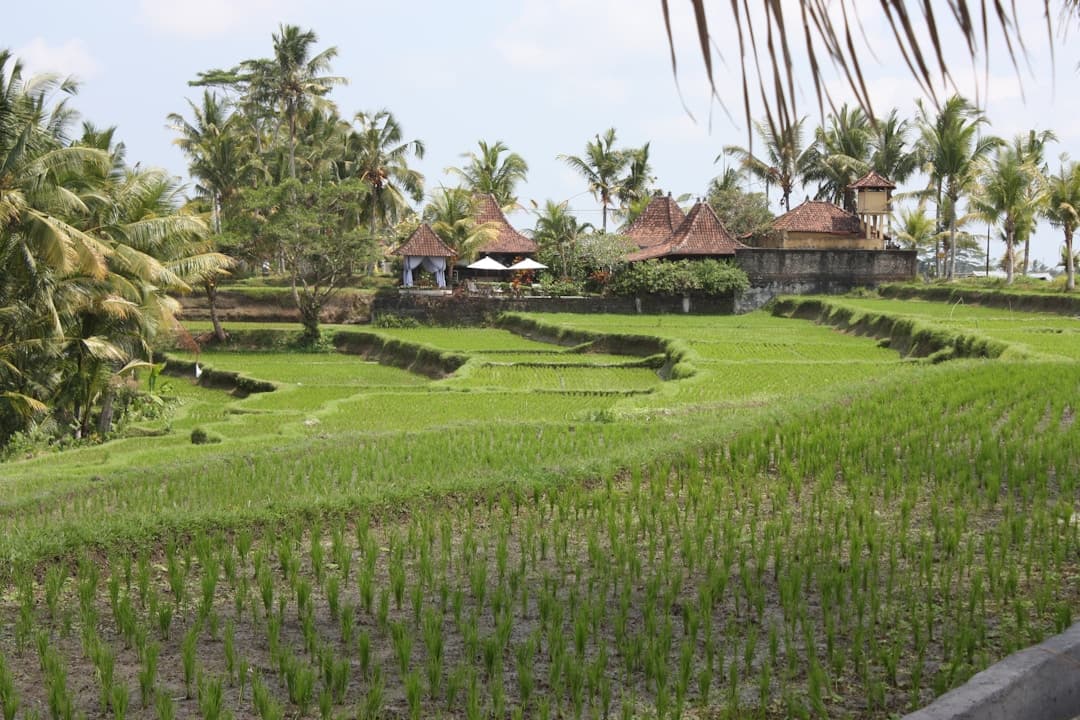
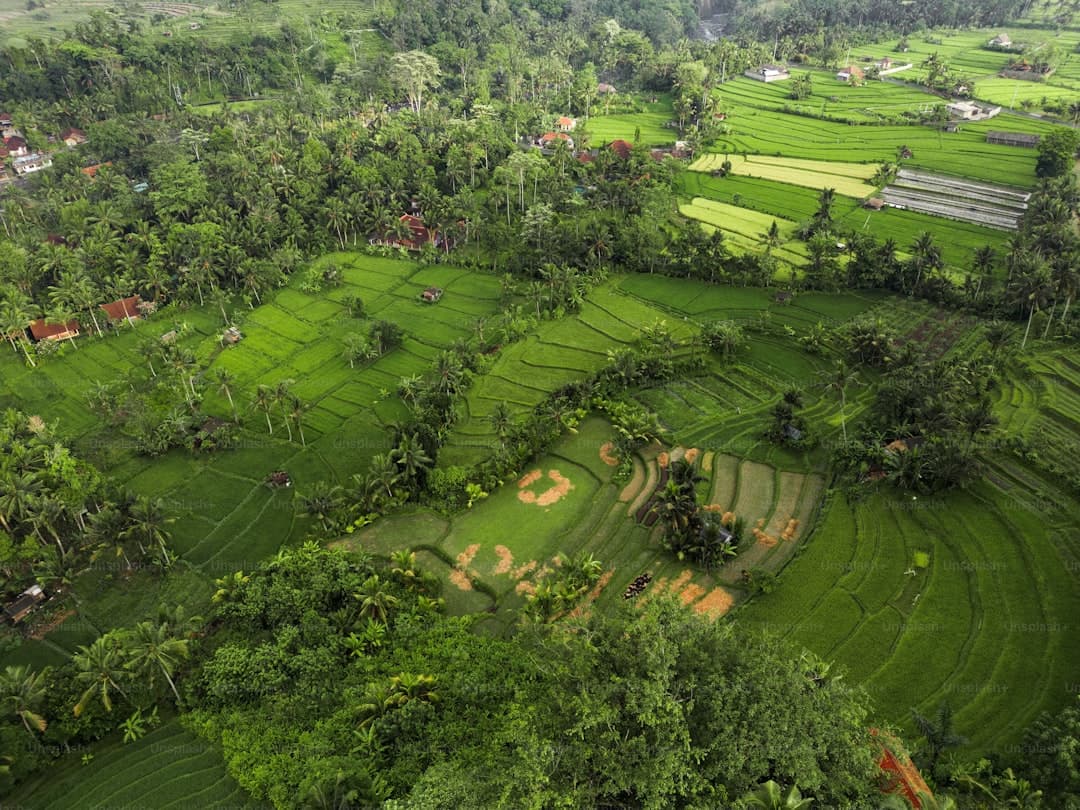
Take Tegallalang, the most famous rice terrace in Bali. Every visitor photographs it from the main viewpoint — the one with the palm tree in the foreground that appears on every travel blog. It is a beautiful shot, but it is also a shot that thousands of people take every day. We know an alternative angle, accessed by a short walk through a farmer's path, where the terraces cascade in a different geometry and the morning mist pools in the valley in a way the main viewpoint never captures. That is the kind of local specificity that transforms a photography day.
Our guides are not professional photographers, but they have guided hundreds of photographers across Bali and understand what makes a strong image. They can suggest compositions, point out details you might miss — the way a spider web catches light between rice stalks, or the pattern of offerings laid out at a temple gate — and they know how to position you so that other visitors are not walking through your frame. For technical questions about camera settings, they can offer practical advice on exposure, white balance, and shutter speed for each specific location and lighting condition.
Language is part of the experience too. If you want to photograph people — artisans at work, market vendors, temple priests preparing offerings — your guide facilitates those interactions in Indonesian, making introductions and asking permission so that the portraits feel respectful and natural rather than intrusive. For French-speaking and Mandarin-speaking photographers, having direction and composition suggestions in your own language removes cognitive friction and lets you stay in the creative flow.
What to Expect
The day is structured around four distinct shooting sessions, each timed to the light conditions that make them work best.
Sunrise session — Rice terraces (5:30 AM - 7:30 AM)
You arrive at the terraces before dawn, while the light is still blue and the mist is rising from the valley floor. This pre-dawn period is ideal for long exposures if you have a tripod — the mist creates a soft, ethereal quality that disappears within thirty minutes of sunrise. As the sun crests the horizon, the terraces shift through gold, amber, and green in rapid succession. Your guide positions you at viewpoints chosen for the specific date and season, because the angle of sunrise shifts throughout the year and the best position changes with it.
This session works for wide landscape shots, detailed close-ups of individual plants and water channels, and environmental portraits if farmers are working the paddies (which is more likely early in the morning). If you are using a smartphone, your guide will suggest the best framing and help you use HDR mode effectively in the high-contrast dawn light.
Morning session — Temple architecture (8:00 AM - 10:00 AM)
After the terraces, we move to a temple — not one of the major tourist temples where you compete with crowds for a clean shot, but a smaller, often more ornate temple where you may be the only visitor. Balinese temple architecture is extraordinarily photogenic: split gates framing the sky, stone carvings darkened with moss, ceremonial umbrellas in black and white check cloth, and offerings of flowers and incense arranged on every surface.
The soft morning light between 8 and 10 AM is ideal for architectural detail work. Direct sun creates harsh shadows on carved stone, but the angled morning light reveals texture and depth. Your guide knows which temple walls catch this light best and which gates frame Mount Agung in the background on clear days. If a ceremony is underway — which happens frequently, as Balinese Hinduism involves daily offerings — you have the opportunity for candid documentary shots of genuine spiritual practice.
Midday session — Village life and portraits (10:30 AM - 1:00 PM)
Midday light is harsh for landscapes but excellent for portraits and street photography, where strong directional light creates dramatic shadows and contrast. We visit a traditional village where artisans work in open-air workshops — woodcarvers, silver-smiths, painters working on traditional Kamasan-style cloth, or women weaving ikat textiles on backstrap looms.
Your guide makes introductions, explains what each artisan is creating, and asks permission for photographs. This produces natural, relaxed portraits rather than the awkward posed shots you get when you approach strangers without introduction. The workshop settings provide built-in context and interesting backgrounds — tools, materials, half-finished pieces — that add narrative to your portraits.
Lunch is at a venue chosen as much for its photographic potential as its food. We know restaurants with views that are worth shooting in their own right — jungle canopy, river gorge, or a panoramic terrace overlooking a volcano.
Sunset session — Coastal cliffs (4:00 PM - 6:30 PM)
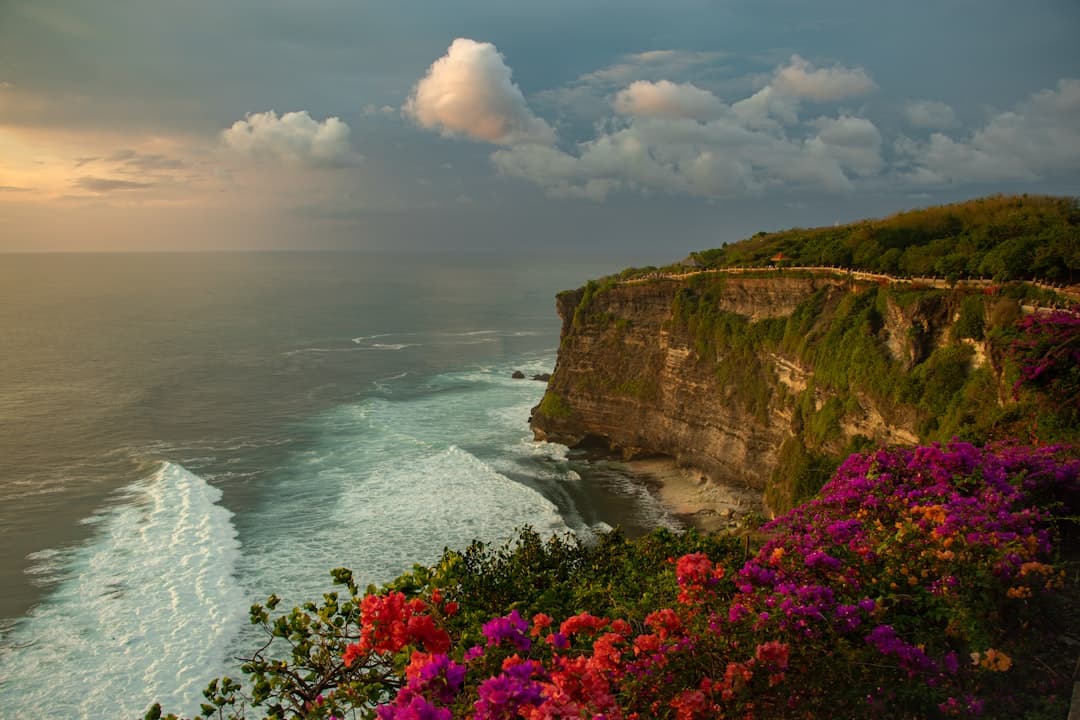
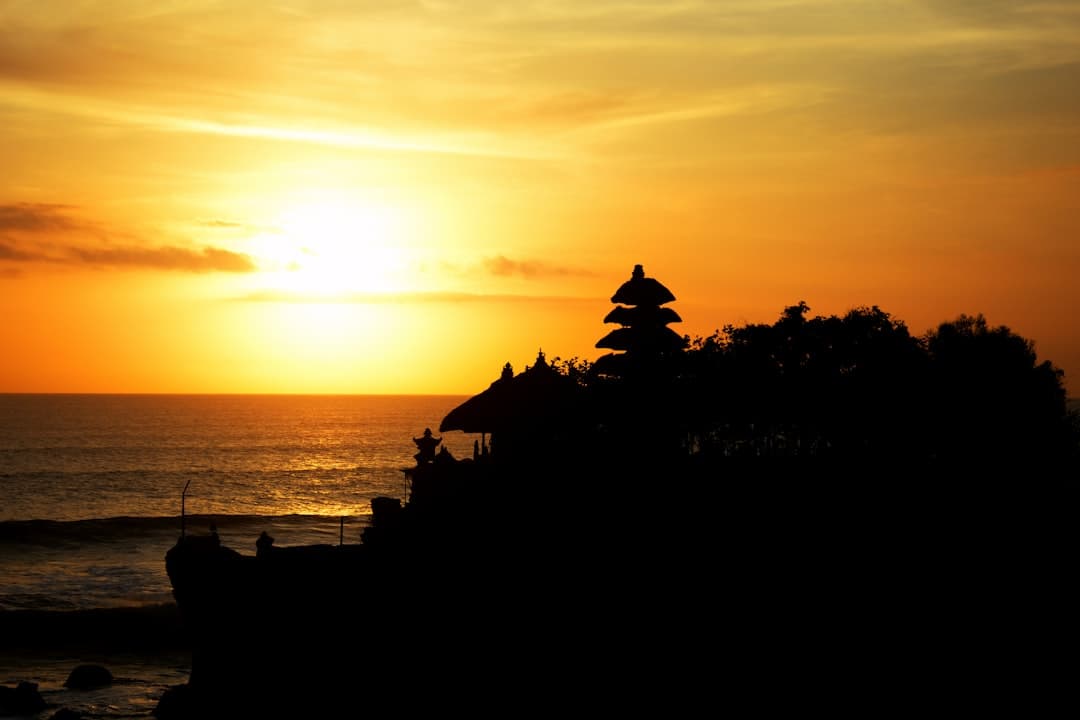
The final session is timed so you arrive at a dramatic coastal location well before sunset, with time to scout compositions and set up. The south coast of Bali — around Uluwatu and the Bukit Peninsula — offers towering limestone cliffs, crashing waves, and an unobstructed western horizon over the Indian Ocean. Your guide knows multiple vantage points, from cliff edges where you can shoot straight down into surging whitewater to elevated positions where the cliff silhouette frames the setting sun.
As the sun drops, you have fifteen to twenty minutes of golden hour where everything glows warm, followed by the sunset itself, and then the blue hour afterward when the sky turns deep blue-violet and long exposures produce silky ocean surfaces. If you want to try long-exposure wave photography, your guide will help you find a stable position and suggest starting shutter speeds for the conditions.
What's Included
- Private photography-focused guide for the full day, fluent in French, Mandarin, English, and Indonesian
- Air-conditioned vehicle with a driver (so you can review shots between locations)
- Four timed shooting sessions at locations selected for optimal light
- Access to lesser-known locations not on standard tourist routes
- Composition and camera setting guidance tailored to your skill level
- Facilitated introductions for portrait photography in villages
- All entrance fees to terraces, temples, and coastal access points
- Hotel pickup and drop-off
- Water and snacks throughout the day
Practical Tips
Gear recommendations: Bring whatever camera you shoot with — this tour works with smartphones, mirrorless cameras, DSLRs, and even film cameras. A versatile zoom lens (24-70mm equivalent) covers most situations. A wide-angle lens (16-35mm equivalent) is useful for rice terrace landscapes and temple interiors. A fast portrait lens (50mm or 85mm f/1.8) is excellent for the village session. If you have a lightweight tripod, bring it for the sunrise and sunset sessions — it makes a significant difference for long exposures. If you do not have one, handheld works fine with modern image stabilization.
Memory cards and batteries: Bring more than you think you need. A full day of shooting in Bali can easily produce several hundred images. Carry at least one spare battery and enough card space that you never have to delete shots to make room.
Best time of year: The dry season (April through October) offers the clearest skies and most reliable sunrise and sunset conditions. However, the wet season has its own photographic advantages — more dramatic cloud formations, greener landscapes, and atmospheric rain shots if you are comfortable shooting in moisture. We provide rain covers for gear during wet season tours.
What to wear: Comfortable walking shoes with good grip — terrace paths can be damp in the morning and coastal rocks are uneven. Temples require covered shoulders and a sarong (we provide sarongs). Dark or neutral-colored clothing is better than bright colors for avoiding reflections in temple photography and for being less visible when shooting candid village scenes.
Skill level: You do not need to be an experienced photographer. If you shoot on auto mode with a smartphone, your guide will help you understand basic composition principles — rule of thirds, leading lines, foreground interest — that immediately improve your images. If you are an advanced photographer, your guide focuses on logistics, timing, and access while letting you work independently.
Who Is This For?
This experience suits anyone who considers photography an important part of how they experience travel. That includes professional photographers scouting locations or building a portfolio, serious hobbyists who want to go beyond tourist snapshots, couples who want beautiful images of their trip without hiring a separate portrait photographer, and casual smartphone photographers who simply want to come home with images that look dramatically better than what they would capture on their own.
It is particularly valuable if your time in Bali is limited. Rather than spending days figuring out where to go and when, you get the concentrated benefit of local knowledge that puts you at the best spots at the best times in a single day. Many photographers tell us that the images from this one day become the strongest portfolio pieces from their entire trip.
The tour also works well for solo travelers. Photography is naturally a solitary pursuit, and having a guide who understands that — who gives you space to work when you are focused but is available for suggestions when you want them — makes for a comfortable and productive day.