Quick answer: A curated Bali yoga retreat with Ohana costs from $450 USD for 3 days, $800 for 5 days, $1,100 for 7 days, and $2,200 for 14 days per person — including accommodation, two daily sessions with certified teachers, vegetarian meals, and transfers. Ubud is the classical yoga hub, Sidemen the quiet alternative, Canggu the beach-yoga choice. Beginners welcome. English and French led sessions available. Book 2-3 months ahead for July-August.
Bali has been the world's yoga destination for over two decades, and Ubud sits at the heart of it. From sunrise Vinyasa in a bamboo shala to Yin practice with the sound of frogs and rice paddies at dusk, the island offers a quality of practice you simply cannot replicate elsewhere. Ohana curates yoga retreats across Bali — handpicked centres, certified teachers, and itineraries shaped around what you actually want from your time on the mat.
We don't run our own studio. What we do is match travellers to the right retreat: the right region, the right teacher, the right intensity, the right accommodation. Our family has lived in Bali for years and knows the retreat scene from the inside — which centres deliver on their promises, which teachers genuinely transform a practice, and which packages are worth the price.
Why Bali for Yoga
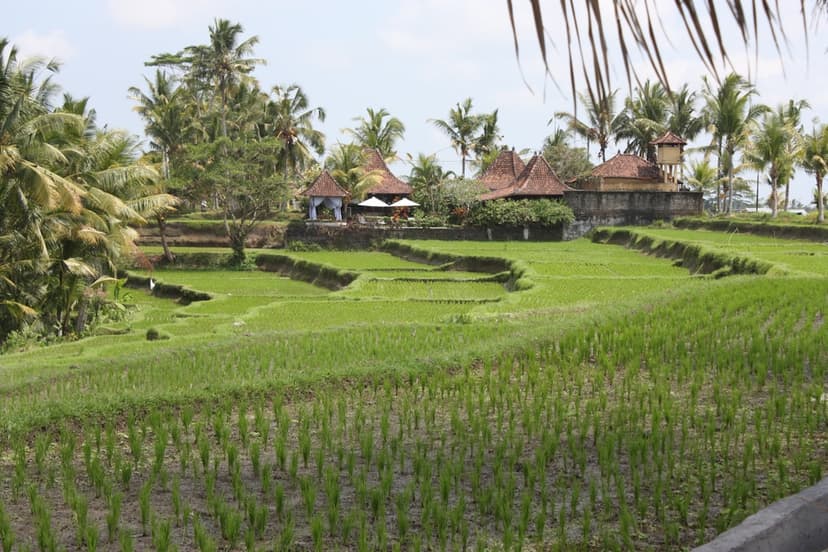
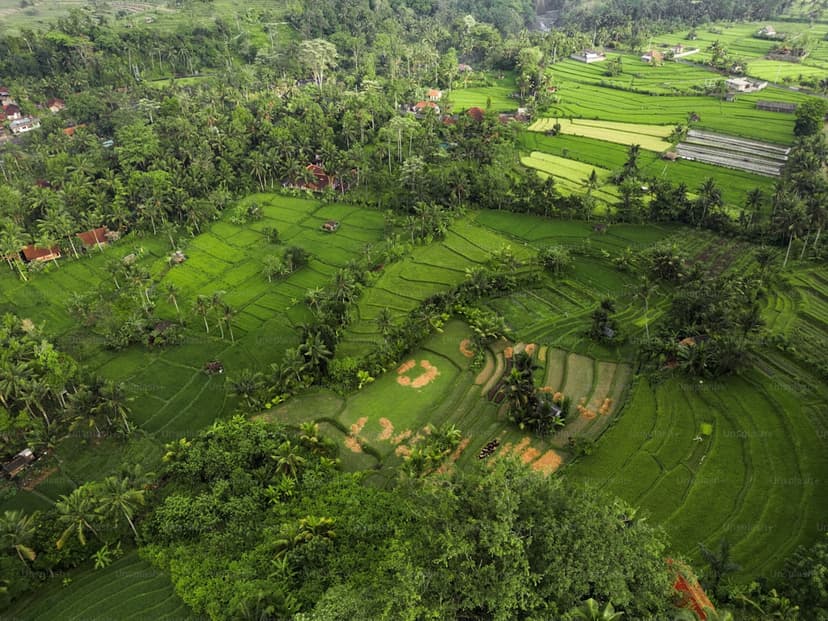
Ubud became a global yoga hub for a reason. The town sits in central Bali at 600 metres elevation, where mornings are cool, afternoons are warm without being oppressive, and the energy of the surrounding rice valleys lends itself naturally to slowing down. Decades ago, the first international teachers settled here; today, you can practise with teachers who have trained in Mysore, Rishikesh, and California, all within a few kilometres of each other.
The food culture supports the practice. Bali has been vegetarian-friendly long before Western wellness trends — local cuisine relies on rice, tempeh (fermented soybean), fresh tropical fruit, leafy greens, coconut, and gentle spice. You won't fight to eat well between sessions; the entire island is set up for it.
Costs are also a factor. A week-long retreat in Bali that includes accommodation, two daily sessions, all meals, and transfers typically costs less than a comparable week at a North American or European retreat centre with no accommodation included. Travellers who would otherwise afford a weekend workshop at home can extend their practice to a full week or two on the island.
Finally, the climate. Outside of the Indian Ocean monsoon afternoons of December through February, the weather is reliably warm and dry. Outdoor shalas, open-air practice spaces, and pool-side meditation are the norm rather than the exception.
Bali Yoga Retreat Costs 2026
Pricing varies with duration, accommodation tier, group size, and included add-ons. Below is the transparent breakdown of what a curated retreat through Ohana costs per person in 2026 USD. Verify final pricing on booking — exchange rate and seasonal demand affect the final figure.
| Duration | From (eco-lodge) | Mid-range | Luxury wellness |
|---|---|---|---|
| 3 days | $450 | $650 | $950 |
| 5 days | $800 | $1,100 | $1,650 |
| 7 days | $1,100 | $1,550 | $2,400 |
| 14 days | $2,200 | $3,100 | $4,800 |
All tiers include: accommodation, two daily yoga sessions with a certified teacher, three vegetarian or vegan meals per day, retreat materials (mat, blocks, bolster, journal), and ground transfers between the airport and the retreat centre. Eco-lodge tier means bamboo bungalow or shared garden room; mid-range means private room in a boutique resort with pool; luxury means private villa or pool suite with spa access.
Add-ons priced separately: airport transfer outside the standard window ($25-40), Balinese massage (from $20 per hour), sound healing session ($35-55), private one-on-one yoga ($45-70 per hour), and cultural day-trips with private driver (from $55 per day — see our private driver service).
Best Regions for a Yoga Retreat in Bali
Where you base yourself shapes the retreat as much as the teacher. Each region has a different rhythm.
| Region | Best for | Vibe | Typical price tier |
|---|---|---|---|
| Ubud | Classical, intensive, traditional | Rice paddies, jungle, monkeys, art galleries | $$ to $$$ |
| Sidemen | Silent, quiet, deep retreat | Untouched rice valleys, Mount Agung views, no nightlife | $ to $$ |
| Canggu | Vinyasa flow, beach yoga, surf-yoga | Young, social, beach cafés, expat scene | $$ |
| East Bali (Amed, Candidasa) | Luxury wellness, dive-yoga combos | Black sand, ocean views, calm villages | $$$ |
Ubud holds the highest density of yoga studios on the island. The Yoga Barn, Radiantly Alive, Intuitive Flow, and dozens of smaller shalas run multiple daily classes year-round. If you want a deep menu of styles — Hatha, Vinyasa, Yin, Ashtanga, restorative, kundalini — Ubud is where to base yourself. Most of the retreats we curate are based here. Read our Ubud destination guide for the full picture of the area, and our things to do in Ubud guide for what to fill non-practice hours with.
Sidemen is the quiet east Bali valley about 90 minutes from Ubud, sitting in the shadow of Mount Agung. There are far fewer retreat centres here and almost no tourist infrastructure beyond eco-lodges and rice-paddy guesthouses. If you want silence, dawn practice with mountain views, and no temptation to step outside the retreat into bars or shopping streets, Sidemen is where you go. See our Sidemen guide.
Canggu sits on the southwest coast and is the beach-yoga capital of Bali. Practice tends toward Vinyasa flow, dynamic styles, and faster pacing. Expect a younger international crowd — surfers, digital nomads, wellness-curious travellers — and an active café and restaurant scene around the studios. Less suited if you want monastic stillness; ideal if you want practice woven into a social, ocean-side rhythm.
East Bali (Amed, Candidasa, Tulamben area) is the luxury and dive-yoga corner. Retreat centres here often combine morning yoga with afternoon snorkelling, freediving, or scuba. Expect higher price tiers, smaller groups, and the most pristine ocean views of any Bali yoga base.
Types of Retreats We Curate
Not every retreat fits every traveller. We match the format to your goal.
Beginner-friendly retreats are paced for first-time practitioners. Teachers explain alignment, modify poses, and spend the first sessions establishing breath and basic asana. No prior experience needed. 3-7 day formats are typical.
Intensive retreats suit committed practitioners and those preparing for 200-hour teacher training. Expect three to four hours of practice per day across two or three sessions, philosophy and pranayama segments, and a higher-volume daily structure. 7-14 day formats.
Silent retreats restrict speech for some or all of the programme — typically the first two to three days, sometimes longer. Pair well with Vipassana or meditation-heavy formats. Sidemen and quieter Ubud-outskirt centres host most of these.
Women-only retreats are common in Bali and run by experienced female teachers. Themes range from prenatal and postnatal practice to women's hormonal health, sisterhood circles, and trauma-informed yoga. 5-7 day formats.
Couples retreats include partner yoga, communication exercises, Tantra-informed practice (in the traditional, non-sexual sense), and pair massage. 5-day formats are most popular. Private accommodation is standard.
If your goal doesn't fit any of these categories — for instance, a yoga-and-photography retreat, or a yoga-and-Balinese-cooking week — tell us. We have arranged custom retreat itineraries combining practice with temple and culture immersion, surf lessons, or private guided exploration.
What's Included in Our Retreats
Every retreat we book through Ohana comes with a clear, written inclusion list before you pay a deposit. The standard inclusions are:
- Accommodation for the entire retreat duration. Tier depends on the package — bamboo bungalow, boutique resort room, or private villa. Single-occupancy supplement available.
- Daily yoga sessions — typically two per day (morning and afternoon or evening). Some retreats add a third optional session, meditation, or pranayama block.
- Three meals per day — vegetarian or vegan, often raw and gluten-free options. Most retreats grow part of their produce on-site or source from local farmers.
- Ground transfers from Ngurah Rai International Airport to the retreat centre and back at the end of the programme.
- Retreat materials — yoga mat, blocks, bolsters, blankets, and a printed or digital journal.
- One cultural excursion — typically a temple visit, water-blessing ceremony at Tirta Empul, or rice-paddy walk with a local guide.
Optional add-ons typically priced separately: extended airport transfer windows, Balinese massage and spa treatments, sound healing sessions, ecstatic dance evenings, private one-on-one yoga, cultural day-trips with a private driver, surfing lessons, and cooking classes.
What's not included: international flights, visa-on-arrival fee ($35), travel insurance, alcohol (most retreats are alcohol-free), and personal shopping.
Sample 5-Day Ubud Retreat Schedule
This is a representative day-by-day for a 5-day beginner-to-intermediate Ubud retreat in our mid-range tier. Actual schedules vary by centre and teacher.
Day 1 — Arrival
- Afternoon: airport pickup, transfer to Ubud (1.5 hours)
- 4 PM: arrival, check-in, welcome juice and orientation
- 5:30 PM: gentle opening Yin session, intention setting
- 7 PM: vegetarian dinner and group introductions
Day 2 — Foundation
- 7 AM: morning Hatha and pranayama (90 minutes)
- 9 AM: breakfast (tropical fruit, smoothie bowl, herbal tea)
- 11 AM: free time (pool, journaling, optional massage)
- 1 PM: lunch
- 4 PM: afternoon Vinyasa flow (75 minutes)
- 6:30 PM: dinner
- 8 PM: optional guided meditation
Day 3 — Cultural day
- 6:30 AM: sunrise yoga
- 8:30 AM: breakfast
- 10 AM: water blessing ceremony at Tirta Empul with a local guide
- 1 PM: lunch at the retreat
- 4 PM: restorative yoga
- 7 PM: dinner with traditional gamelan music
Day 4 — Deepening
- 7 AM: dynamic morning Vinyasa
- 9 AM: breakfast
- 11 AM: yoga philosophy session (history, eight limbs, breath theory)
- 1 PM: lunch
- 3 PM: optional 90-minute Balinese massage (add-on)
- 5 PM: Yin and meditation
- 7 PM: dinner and sound healing session
Day 5 — Closing
- 7 AM: closing morning practice and gratitude circle
- 9 AM: breakfast
- 11 AM: brunch and farewell
- 12 PM: airport transfer or onward travel
If you want to extend, we typically suggest pairing 5 days in Ubud with 2-3 quieter days in Sidemen for silent practice, or with a beach decompression in Canggu before flying home.
Add-on Wellness Experiences
Most retreat centres offer add-on experiences that extend the practice beyond the mat. These are bookable through us when we organise your retreat.
Sound healing uses singing bowls, gongs, and crystal bowls to guide you through deep relaxation. Sessions run 60-90 minutes and typically follow an evening yoga practice. $35-55 per session.
Ecstatic dance is a structured, non-verbal movement journey — usually two hours, no alcohol, no talking. Ubud has the most vibrant ecstatic dance scene in Asia, with dedicated venues like Yoga Barn hosting weekly events.
Balinese massage is a deep-pressure traditional massage technique, often combined with aromatherapy and herbal compresses. Most retreat centres have an in-house spa or visiting therapist. $20-40 per hour at retreat centres; less if booked at a village spa nearby.
Water blessing at Tirta Empul is a Hindu purification ceremony at a 1,000-year-old spring temple. A local priest guides you through a series of 13 spouts, each addressing a different intention. This is not a tourist experience — it is a genuine religious rite that visitors are invited to participate in. We arrange the ceremony with respect for traditional protocol; sarong and proper attire provided.
Healing modalities beyond massage are widely available in Ubud: Reiki, energy work, breath-work intensives, plant-medicine ceremonies (with appropriate caution and licensed facilitators only), and traditional Balinese healers (balian) for those seeking something culturally rooted.
Solo vs Group vs Couples Retreats
How you travel shapes how you experience the retreat.
Solo travellers get the most depth from a retreat. The structure of group meals, shared sessions, and built-in community means you are never lonely, but you have full agency over your hours off the mat. Solo retreats are by far our most common booking. Single-occupancy supplements run $200-600 depending on tier and duration.
Small groups (2-6 people travelling together) get the social warmth of group retreats with the comfort of familiar company. We often arrange group bookings at smaller retreat centres that can host the whole party privately. Useful for friend groups planning a wellness trip together.
Couples can choose dedicated couples retreats (with partner yoga and shared programming) or a standard retreat with a private double room. Most couples we book opt for the latter — they want the structure and teaching of a strong retreat without programming designed around their relationship. A 5-7 day Ubud retreat is the sweet spot for couples.
For travellers wanting the privacy of a custom retreat with their own teacher and itinerary — for example, a family with three generations practising together, or a couple wanting one-on-one teaching exclusively — we can arrange fully private retreats at our partner centres. Pricing scales with group size and duration; ask us for a custom quote.
Why Choose Ohana for your Bali Retreat
We are not a yoga school. We are a small family travel agency that lives in Bali and curates retreats personally. The difference matters.
Personal vetting. Every retreat centre we recommend has been visited by our family. We know the lead teachers, the food quality, the actual condition of the rooms, and how the centre handles unexpected issues. We do not work with centres that have disappointed past guests.
Multilingual support. Our family is from Medan and has lived in Bali for years; my wife is a certified guide who speaks French and Mandarin natively. Her parents are official Mandarin guides. For French-speaking and Mandarin-speaking travellers, we offer something almost unique on the island — a full retreat experience supported in your own language, from the first WhatsApp enquiry to the airport pickup to the post-retreat follow-up.
Custom matching. We do not push fixed packages. Tell us what you want — your level, your goals, your budget, your dates — and we recommend the retreat that fits. If we don't think any of our partner retreats are right for you, we say so and point you elsewhere.
Local accountability. If something goes wrong during your retreat — a teacher cancels, an accommodation issue arises, a flight gets disrupted — you reach us directly. We are an hour from most of our partner centres and respond in real time, not via a call centre overseas.
No upcharges. The price you see is the price you pay. We are paid a transparent commission by the retreat centre or charge a flat planning fee, and we tell you which up front. No surprise add-ons, no inflated pricing for foreign travellers.
If you have read this far and are still deciding, the best next step is to message us with your dates, level, and what you want from the retreat. We respond within a few hours and can usually have a tailored recommendation in your inbox the same day. Read our Bali yoga retreat blog guide for a deeper look at studios, teachers, and the broader Ubud yoga scene before you book.
FAQ
How much does a Bali yoga retreat cost in 2026?
Curated retreats start from $450 USD for 3 days, $800 for 5 days, $1,100 for 7 days, and $2,200 for 14 days per person, including accommodation, daily yoga sessions, vegetarian meals, and ground transfers. Prices vary with accommodation tier and add-on experiences. Verify final pricing on booking.
What's the best region for a yoga retreat in Bali — Ubud, Canggu, or Sidemen?
Ubud is the global yoga hub with the deepest concentration of certified studios and teachers — best for traditional, classical, and intensive retreats. Canggu suits beach-yoga lovers and Vinyasa flow with a younger, surf-yoga crowd. Sidemen is the quiet alternative for travellers wanting rice-paddy silence and minimal tourist density. East Bali (Amed, Candidasa) is the choice for luxury wellness combining yoga with diving and sea views.
What's included in an Ohana yoga retreat?
Every retreat includes accommodation (private room or shared depending on package), two daily yoga sessions led by certified teachers, three vegetarian or vegan meals daily, all ground transfers from the airport and between sites, retreat materials (mat, props, journal), and one cultural excursion. Optional add-ons include sound healing, ecstatic dance, Balinese massage, and water blessing at Tirta Empul.
I'm a complete beginner — can I still join?
Yes. Most of the retreats we curate are explicitly beginner-friendly, with teachers who modify poses, explain Sanskrit terminology, and pace sessions for first-timers. We can also arrange one-on-one introductory sessions before the group programme starts. Tell us your level when you enquire and we will match you to the right retreat.
What kind of accommodation can I expect?
Options range from rustic eco-lodges and bamboo bungalows in the rice paddies (from $450 for 3 days) to mid-range boutique resorts with pools and spa access ($800-$1,500 for 5-7 days), to luxury wellness villas in Sidemen and Ubud's outer valleys ($2,200+ for 14 days). All accommodations are vetted personally by our family.
What's the food like at a Bali yoga retreat?
Most retreats serve plant-based food — fresh tropical fruit, locally grown vegetables, brown rice, tempeh, tofu, coconut, and cold-pressed juices. Indonesian dishes like gado-gado, pecel, and nasi campur are common in vegetarian form. Vegan, gluten-free, and raw options are available at most retreat centres. Mention allergies when booking.
Are the yoga teachers certified?
Yes. We only work with retreat centres whose lead teachers hold at minimum a 200-hour Yoga Alliance certification. Many have 500-hour certifications, decades of teaching experience, or specialised training in Yin, restorative, prenatal, or trauma-informed yoga. Teacher bios are shared before you book.
When is the best time to come for a yoga retreat in Bali?
April to October (dry season) is the most popular window — clear skies, cooler mornings, easier travel between regions. November to March is green season with afternoon rains but lower prices and quieter retreat centres. July-August are peak; book 2-3 months ahead. Year-round Ubud offers a steady climate for indoor and covered shala practice.
How We Plan This
Every retreat we recommend has been visited and vetted by our family. We are not a booking aggregator — we work with a small list of retreat centres and teachers in Ubud, Sidemen, Canggu, and east Bali whose quality we can vouch for personally. When you enquire, we ask about your level, goals, dietary needs, dates, and budget, and recommend two or three options that fit. You are never matched to a partner centre purely because they pay the highest commission.
Our family stays involved from first contact to airport drop-off. My wife — a certified French and Mandarin speaking guide — handles communication for international travellers in those languages. Her parents, both official Mandarin guides, can join cultural excursions during your retreat if you want a deeper local context. If anything needs adjusting mid-retreat, you reach us directly, not a call centre overseas.
Message us with your dates and what you want from the retreat. We confirm availability within 24 hours and send a written package with teacher bios, accommodation photos, and a clear price breakdown.