Guide Ultime de Bali 2026
Tout ce que vous devez savoir pour visiter Bali — quand partir, où séjourner, que voir et comment se déplacer. Écrit par un guide local certifié.
Dans ce guide
- Quand visiter Bali
- Où séjourner
- Ubud — Pour les amoureux de culture et de nature
- Seminyak — Pour la plage et la vie nocturne
- Canggu — Pour les surfeurs et les nomades digitaux
- Uluwatu — Pour des paysages spectaculaires
- Sidemen — Pour une paix hors des sentiers battus
- Amed — Pour la plongée et le snorkeling
- Destinations incontournables
- Se déplacer
- Que manger
- Étiquette dans les temples
- Planifier son budget
- Combien de temps rester
- Pourquoi réserver avec un guide local
- Related Guides
Bali est bien plus qu'une destination — c'est une expérience qui reste gravée en vous longtemps après votre départ. Des rizières en terrasses des hauts plateaux centraux aux falaises spectaculaires du sud, chaque recoin de cette île a quelque chose d'unique à offrir.
En tant que guide local certifié vivant à Bali depuis plus de dix ans, j'ai accompagné des centaines de voyageurs à la découverte des trésors cachés de l'île. Ce guide complet partage tout ce que vous devez savoir pour planifier votre séjour idéal à Bali. Si c'est votre premier voyage, consultez également notre guide Bali pour les primo-visiteurs pour encore plus de conseils pratiques.
Quand visiter Bali
La saison sèche (avril à octobre) offre les meilleures conditions pour les activités en plein air, avec un ciel dégagé et des températures agréables autour de 27 °C. La saison des pluies (novembre à mars) apporte des averses en fin d'après-midi, mais aussi des paysages d'un vert éclatant, moins de touristes et des prix plus bas.
Meilleurs mois dans l'ensemble : mai, juin et septembre vous garantissent un temps sec sans les foules et les prix gonflés de juillet et août. Les mois de transition comme avril et octobre sont également excellents — vous profitez de journées majoritairement ensoleillées avec une averse occasionnelle qui se dissipe rapidement.
Si vous prévoyez une randonnée au volcan pour admirer le lever de soleil sur le Mont Batur, la saison sèche offre la meilleure visibilité. Pour ceux qui s'intéressent aux cérémonies balinaises, le mois de mars est particulier grâce à Nyepi (le Jour du Silence) et les spectaculaires défilés d'Ogoh-Ogoh la veille.
Où séjourner
Le choix de votre base à Bali dépend du type d'expérience que vous recherchez. Voici un aperçu honnête de chaque zone.
Ubud — Pour les amoureux de culture et de nature
Ubud est le cœur culturel de Bali, entouré de rizières en terrasses, de galeries d'art et de temples anciens. C'est l'endroit idéal pour les retraites de yoga, les visites de temples et les promenades dans la jungle le long de la crête de Campuhan. La ville s'est transformée ces dix dernières années avec d'excellents restaurants et des hôtels de charme, mais les villages environnants conservent un caractère authentiquement balinais. Consultez notre guide complet des activités à faire à Ubud pour un itinéraire détaillé.
Seminyak — Pour la plage et la vie nocturne
Seminyak est le quartier le plus cosmopolite de Bali — beach clubs haut de gamme, gastronomie raffinée et boutiques de créateurs bordent les rues principales. Les couchers de soleil depuis Double Six Beach sont légendaires. C'est la meilleure base si vous aimez l'ambiance festive et souhaitez un accès facile à la vie nocturne sans l'atmosphère routard de Kuta.
Canggu — Pour les surfeurs et les nomades digitaux
Canggu est passé d'un petit village de surfeurs à l'un des quartiers les plus prisés de Bali. Cafés branchés, espaces de coworking, excellents spots de surf et ambiance décontractée en font le lieu de prédilection des nomades digitaux et des voyageurs plus jeunes. L'atmosphère se situe parfaitement entre le calme d'Ubud et l'énergie de Seminyak.
Uluwatu — Pour des paysages spectaculaires
Uluwatu occupe la pointe sud de Bali, réputée pour ses temples perchés sur les falaises, ses spots de surf de classe mondiale et ses plages secrètes accessibles par des escaliers taillés dans le calcaire. Le quartier est moins fréquenté que les zones centrales et offre certaines des vues sur l'océan les plus spectaculaires de l'île. La danse du feu Kecak au temple d'Uluwatu au coucher du soleil est une expérience à ne pas manquer.
Sidemen — Pour une paix hors des sentiers battus
Sidemen, c'est le Bali d'il y a vingt ans — des rizières en terrasses s'étendant jusqu'à l'horizon, le Mont Agung dominant le paysage et pratiquement aucun touriste en vue. C'est l'endroit parfait pour les voyageurs qui veulent ralentir, participer à un cours de cuisine chez une famille locale et se réveiller dans un silence absolu.
Amed — Pour la plongée et le snorkeling
Amed, sur la côte nord-est de Bali, est le meilleur point de départ pour l'exploration sous-marine. L'épave japonaise de Tulamben est un site de plongée de renommée mondiale, et les jardins de corail le long de la côte sont parfaits pour le snorkeling depuis la plage. Amed offre également des levers de soleil somptueux sur le détroit de Lombok.
Destinations incontournables
Bali est suffisamment petit pour visiter plusieurs zones en un seul voyage, mais assez diversifié pour que chaque destination donne l'impression d'être sur une île différente.
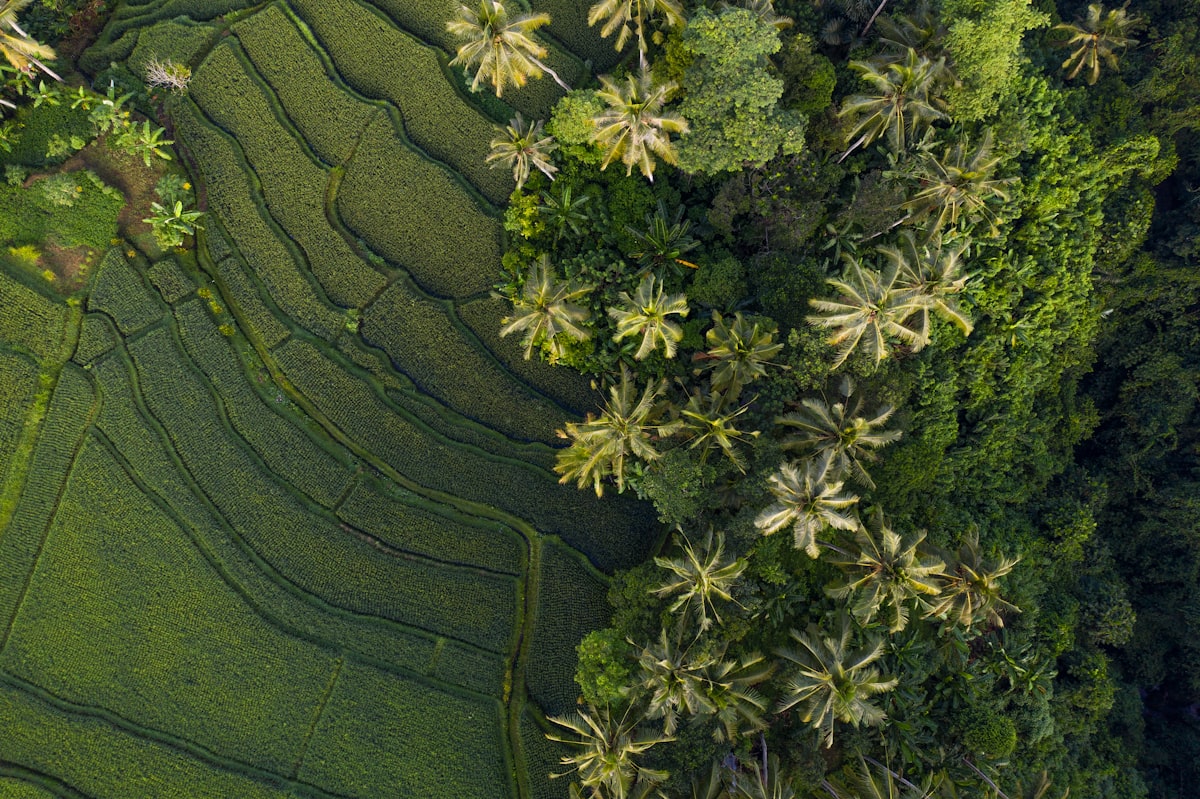
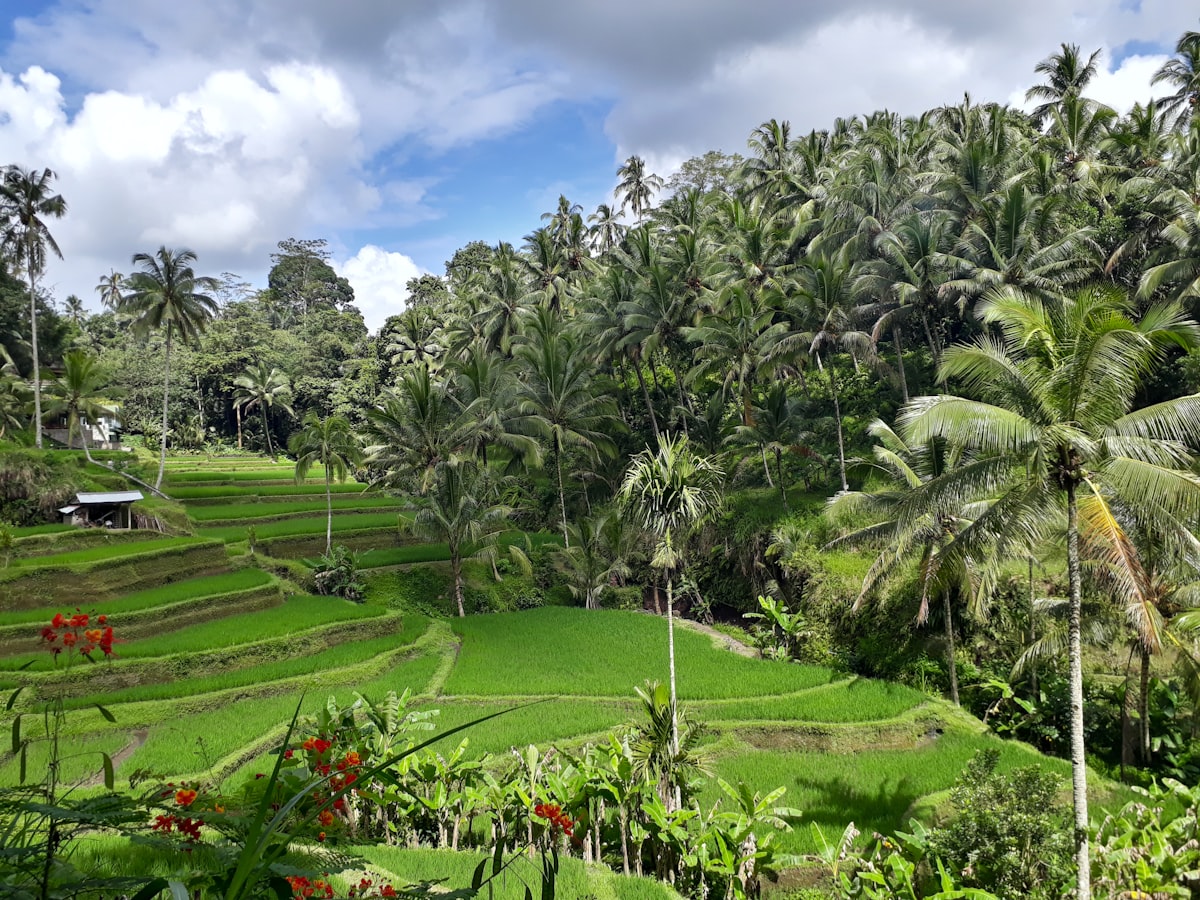
- Rizières de Tegallalang — Les iconiques rizières en escalier près d'Ubud, cultivées depuis des siècles grâce au système d'irrigation traditionnel balinais subak.
- Temple d'Uluwatu — Un temple au bord d'une falaise avec des vues spectaculaires sur l'océan et la célèbre danse Kecak au coucher du soleil.
- Nusa Penida — Une île sauvage au large de la côte sud-est de Bali, avec la célèbre Kelingking Beach, des eaux cristallines et du snorkeling avec les raies manta. C'est une excursion à la journée — partez tôt et préparez-vous à des routes cahoteuses.
- Munduk — Les hauts plateaux frais du nord avec des cascades cachées, des plantations de café et de clous de girofle, et des vues sur les lacs de montagne. Notre guide des plus belles cascades de Bali couvre les meilleures à visiter.
- Tirta Empul — Un temple de source sacrée où les hindous balinais viennent pour des rituels de purification. Les visiteurs sont les bienvenus pour y participer — nos expériences temples et culture incluent une cérémonie de purification guidée.
- Mont Batur — Une randonnée au lever du soleil surplombant une caldeira volcanique et un lac. La marche dure environ deux heures et vous récompense avec l'une des vues les plus mémorables de Bali.
Se déplacer
Bali ne dispose pas de transports en commun fiables. Se déplacer demande un peu d'organisation, et le choix dépend de votre niveau de confort et de votre budget.
Envie qu'on organise ce voyage pour vous ?
Notre guide certifié créera un itinéraire personnalisé selon vos intérêts, votre rythme et votre style de voyage.
Obtenir votre itinéraire gratuitChauffeur privé — C'est le moyen le plus confortable et efficace pour explorer Bali. Nos chauffeurs sont des locaux qui connaissent chaque raccourci, chaque lieu secret et le meilleur moment pour visiter chaque attraction afin d'éviter la foule. Un chauffeur à la journée coûte entre 40 et 60 $ et vous fait gagner des heures sur des routes que vous ne connaissez pas. Lisez notre guide complet du chauffeur privé à Bali pour savoir à quoi vous attendre.
Location de scooter — Idéale pour les courtes distances si vous êtes un conducteur expérimenté. La location coûte environ 70 000 IDR par jour (4,50 $). Déconseillée aux débutants — la circulation à Bali est chaotique, les routes sont étroites et les accidents impliquant des touristes en scooter sont quotidiens.
Applications de VTC — Grab et Gojek fonctionnent dans la plupart des zones urbaines mais ne desservent pas toujours les endroits reculés comme Munduk ou Sidemen. Leur prise en charge est également restreinte dans certains sites touristiques et aéroports en raison de la réglementation locale.
Que manger
La cuisine balinaise est l'un des points forts de tout séjour. Les saveurs sont intenses — curcuma, citronnelle, galanga et piment frais se retrouvent dans pratiquement chaque plat.
Commencez par un nasi campur (riz mélangé) dans n'importe quel warung local pour 15 000 à 35 000 IDR. Goûtez le babi guling (cochon de lait rôti) à Ubud ou Gianyar — les meilleurs stands sont en rupture de stock dès midi. Le sate lilit (brochette de viande hachée balinaise enroulée autour de citronnelle) est unique à l'île et disponible partout, des étals de rue aux restaurants gastronomiques.
Pour une exploration approfondie de la scène culinaire, consultez notre guide de la street food à Bali et le guide gastronomique complet de Bali qui couvre tout, des warungs à la cuisine haut de gamme.
Étiquette dans les temples
Les temples sont au cœur de la vie balinaise — il y en a plus de 20 000 sur l'île. En tant que visiteur, le respect des coutumes est essentiel.
Portez toujours un sarong en entrant dans un temple (la plupart en proposent à la location à l'entrée). Retirez vos chaussures avant de fouler un sol sacré. Traditionnellement, les femmes ayant leurs règles sont priées de ne pas pénétrer dans les temples. Ne grimpez jamais sur les structures du temple et ne vous asseyez pas plus haut qu'un prêtre pendant les cérémonies.
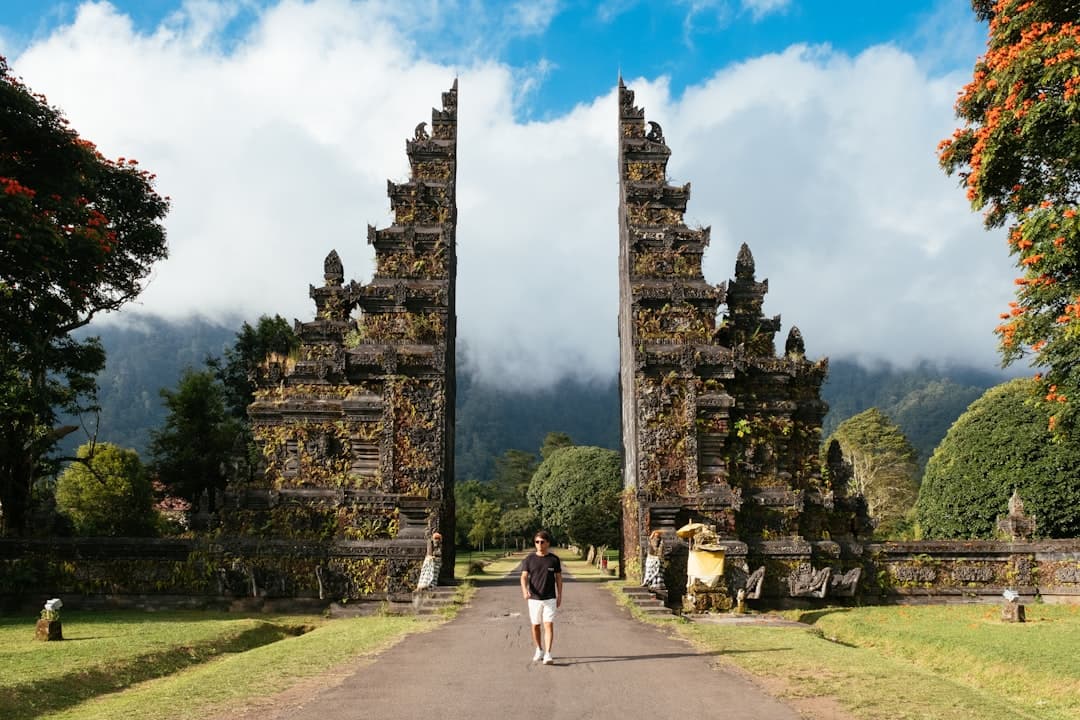
Les offrandes (canang sari) — ces petits paniers tressés de fleurs, de riz et d'encens que vous voyez sur les trottoirs et les seuils des portes — sont sacrées. Enjambez-les, ne marchez jamais dessus. Notre guide des temples de Bali couvre les temples les plus importants et les meilleurs moments pour les visiter.
Planifier son budget
Bali convient à tous les budgets, du routard au voyageur de luxe.
Petit budget (30-50 $/jour) : Maisons d'hôtes, cuisine locale en warung, location de scooter et plages gratuites. On peut très bien vivre à Bali avec peu, à condition de manger là où mangent les locaux et d'éviter les activités à prix touristiques.
Budget moyen (100-200 $/jour) : Hôtels de charme, un mélange de cuisine locale et internationale, un chauffeur privé pour les excursions à la journée et une ou deux activités organisées par jour.
Luxe (300 $+/jour) : Resorts cinq étoiles, gastronomie, expériences guidées privées et soins spa. La scène luxe à Bali est de classe mondiale pour une fraction de ce que vous paieriez en Europe ou aux Maldives.
Combien de temps rester
Une semaine vous offre une solide introduction à Bali. Notre itinéraire Bali 7 jours couvre les incontournables sans se presser. Si vous avez plus de temps, notre itinéraire Bali 10 jours ajoute les hauts plateaux du nord, Nusa Penida et du temps pour simplement vous détendre.
Pour les jeunes mariés, Bali est l'une des destinations les plus romantiques au monde. Notre guide lune de miel à Bali et nos expériences escapade romantique vous aideront à planifier le voyage parfait en couple.
Pourquoi réserver avec un guide local
Faire appel à un guide local transforme votre expérience à Bali : au lieu d'un simple itinéraire touristique, vous vivez un véritable voyage culturel. Nous savons quels temples accueillent des cérémonies tel ou tel jour, quels warungs sont fréquentés par les locaux et quels points de vue sont déserts au lever du soleil.
En tant que guide certifié parlant français et mandarin, je travaille avec des voyageurs du monde entier. Que vous ayez besoin d'un itinéraire sur mesure conçu autour de vos centres d'intérêt, d'une visite guidée des incontournables de Bali ou d'une aventure en famille adaptée à tous les âges, nous ferons en sorte que votre voyage aille bien au-delà du guide touristique.
Prêt à planifier votre voyage à Bali ? Contactez-nous pour un itinéraire personnalisé conçu autour de vos envies et de votre style de voyage.
Related Guides
<!-- internal-link-sweep:2026-04-29 -->
Prêt à découvrir Bali ?
Parlez-nous de votre voyage de rêve et nos experts locaux créeront une expérience personnalisée rien que pour vous.
Commencer la planification