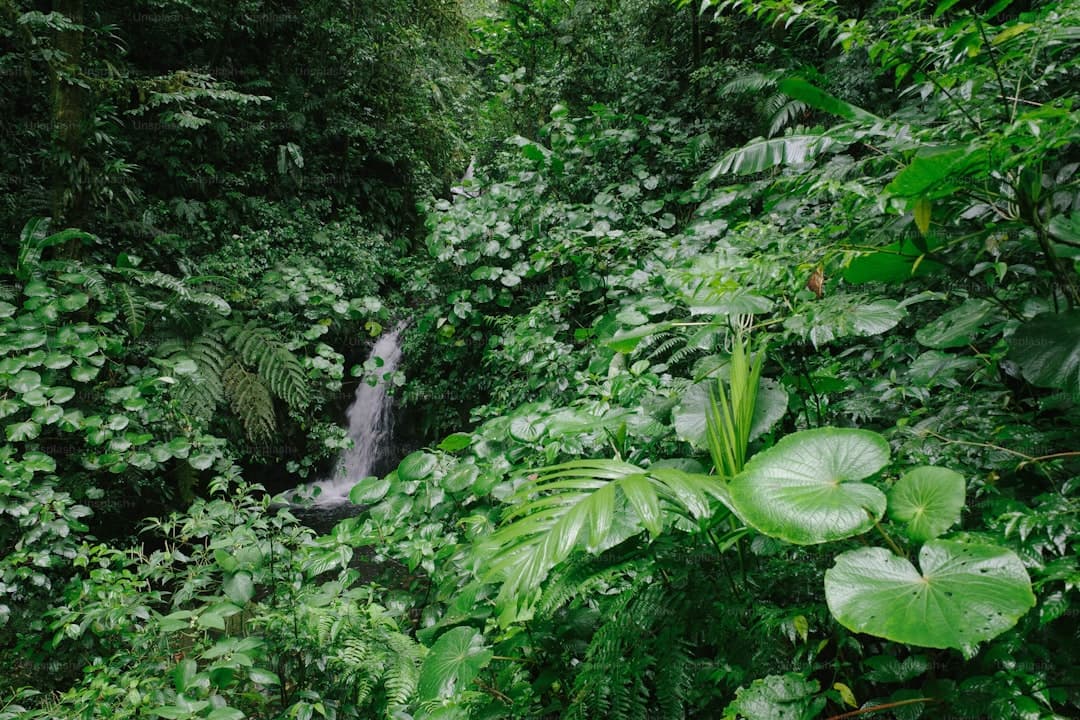
Munduk is Bali's best-kept secret — a highland village in the north surrounded by clove and coffee plantations, misty volcanic crater lakes, and some of the island's most spectacular waterfalls. Sitting at approximately 600 meters elevation, Munduk offers cooler temperatures, cleaner air, and an escape from the tourist infrastructure that dominates southern Bali. Far from Seminyak's beach clubs and Ubud's gallery crowds, Munduk offers a genuine glimpse into traditional Balinese mountain life, where the rhythm of the day follows harvests, ceremonies, and the changing light on the hills.
Waterfalls
The waterfalls around Munduk are among Bali's most impressive natural features and can all be experienced in a single morning trek.
Munduk Waterfall — The main waterfall and the longest in the area, Munduk plunges approximately 15 meters into an emerald pool surrounded by jungle. The trek to the base takes roughly 45 minutes through cultivated fields and forest, descending steeply on stone steps. The water is refreshingly cold, and the pool is deep enough for swimming. Local guides are available through village guesthouses and offer valuable knowledge about the ecosystem and Balinese forest traditions.
Red Coral Waterfall — Also called Labuhan Kebo Falls, this waterfall flows through reddish volcanic rock, giving it its distinctive name. The hike is shorter than Munduk Falls (approximately 30 minutes), making it a good option for those with limited time or fitness. The waterfall is less crowded than Munduk, and the forest surrounding it is thick and atmospheric. The pool here is shallower but excellent for wading and photography.
Golden Valley Waterfall — The third of the "three falls" circuit, Golden Valley (Aling-Aling Falls) requires a more challenging trek through steeper terrain. The reward is dramatic — the waterfall drops multiple tiers through a golden-hued gorge, creating a series of cascading pools. The trek can be muddy and slippery, especially in the rainy season; wear proper footwear and bring a guide. The journey takes roughly 2-3 hours round trip depending on fitness and pace.
A typical full day involves starting early and visiting all three waterfalls with a local guide (costing approximately 300,000-500,000 IDR / US$20-33 for a group). The guide ensures you don't get lost in the forested terrain, provides context about the plants and traditional uses of the forest, and usually knows where to swim and rest. Bring plenty of water, wear shoes with good grip, and start before 8 a.m. to avoid afternoon heat and allow time for swimming.
Twin Lakes
Tamblingan and Buyan are two crater lakes nestled in volcanic basins surrounded by dense forest, separated by a narrow ridge. The lakes are calm, pristine, and best experienced by traditional wooden canoe (jukung) at dawn.
Lake Tamblingan — The larger and more serene of the two, Lake Tamblingan is sacred to many Balinese and remains relatively undeveloped. A dawn canoe trip across the glassy water as mist rises from the surface is ethereal. The lake is surrounded by cliffs and forest, with no visible development except small fishing platforms. Canoe operators offer 1-2 hour trips starting before sunrise, allowing you to witness the morning light transform the lake from grey to blue while birds call from the trees.
Lake Buyan — Similar in character to Tamblingan, Buyan has a few small settlements on its shore but remains quiet and beautiful. The two lakes can be visited on the same morning — a narrow hiking trail connects them, taking roughly 20 minutes to traverse. Walking between the lakes offers views of both bodies of water and passes through local Balinese gardens and compounds.
Arrange canoe trips through your guesthouse the evening before. Expect to pay 200,000-300,000 IDR (US$13-20) per person for a 1-hour canoe journey. Bring a light jacket, as the morning air at elevation can be cool, especially just after sunrise. The experience is quietest and most magical on weekday mornings — weekends attract more visitors.
Coffee & Spice Plantations
Munduk's cool, misty climate produces some of Bali's finest coffee, along with cloves, vanilla, cacao, and other spices. The plantations that cover the hills are both beautiful and fragrant, with the smell of drying coffee beans and cloves filling the air.
Coffee Tasting — Visit a local coffee plantation to see how Balinese coffee (often shade-grown among other trees) is cultivated, harvested, and processed. Many plantations have simple tasting rooms where you can sample different roasts and learn the differences between Balinese, Sumatra, and other Indonesian coffee origins. The Balinese coffees are often earthy with herbal notes, less acidic than lighter roasts from other regions. You can purchase directly from farmers at prices far lower than retail shops (typically 80,000-150,000 IDR / US$5-10 per kilogram for high-quality beans).
Spice Plantations — Clove, vanilla, and cacao plants grow alongside coffee in the shaded understory. Some plantations offer walking tours showing how these crops are grown and processed. Clove harvest time (August-September) is particularly aromatic and photogenic. You can buy dried cloves, vanilla pods, and other spices directly, and many farms will demonstrate traditional uses in Balinese cooking.
Guides can be arranged through guesthouses and typically charge 150,000-300,000 IDR (US$10-20) for a half-day plantation tour including transport and tasting. The experience is most informative with a local guide who speaks the language and has relationships with farming families.
Jatiluwih Rice Terraces
Located 30-40 kilometers south of Munduk, the Jatiluwih Rice Terraces are a UNESCO World Heritage site and among the most photographed landscapes in Indonesia. The terraces cascade down hillsides in elegant curves, creating an almost abstract pattern when viewed from above. Jatiluwih is best visited as a combination with Munduk — many guides offer full-day itineraries that include both the terraces and Munduk attractions, making efficient use of the mountain roads.
The drive from Munduk to Jatiluwih takes approximately 1.5 hours, winding through mountain passes with panoramic views. Several viewpoints along the way offer photo stops. Many travelers visit the terraces at different times of year to capture them in different states — newly planted (bright green), mid-growth (deeper green), and harvest-ready (golden). Sunrise light here is soft and magical, painting the terraces in shades of grey and green before the sun climbs above the eastern hills.
Cool Mountain Climate
Munduk's elevation means temperatures are notably cooler than the coast — average temperatures are 15-20°C (59-68°F), a refreshing change from the humid 28-32°C heat of the beaches. Mornings and evenings are particularly cool, and occasional drizzle occurs even in the dry season. This makes Munduk ideal for visitors seeking relief from coastal heat or those who are heat-sensitive. The cooler air also means less mosquito activity and fewer insects generally.
What to Pack — Bring a lightweight fleece or sweater for mornings and evenings. Waterproof jacket or raincoat is essential year-round, even in the dry season. Proper hiking boots with good traction are crucial for waterfall treks, which can be muddy and slippery. Long pants provide protection from insects and plant contact during forest walks. Hat and sunscreen are still necessary, as the sun at elevation is strong despite cooler temperatures.
Getting There & Combining Routes
Munduk is located approximately 90 kilometers north of Ubud and 110 kilometers north of Seminyak — roughly 2.5-3 hours by car depending on traffic and road conditions. There is no public transport directly to Munduk; you'll need a private driver or rental scooter (not recommended for unfamiliar riders, as mountain roads are winding and narrow).
Recommended Route — Most travelers combine Munduk with other north Bali attractions to maximize the drive time. A 2-3 day itinerary might look like:
- Day 1: Drive from south Bali (Canggu, Seminyak, Ubud) to Munduk, visiting waterfalls and settling in to a mountain guesthouse
- Day 2: Lake sunrise canoe trip, coffee plantation visit, lunch in the village, afternoon rice field walk
- Day 3: Jatiluwih Rice Terraces day trip, return to coast or continue exploring north Bali
Nearby attractions include Bedugul's Ulun Danu Temple (overlooking a crater lake), the botanical gardens, and various flower gardens. The road from Munduk descends toward the coast through scenic villages and increasingly lush tropical forest.
A full-day private driver from the south typically costs 600,000-1,000,000 IDR (US$40-67). Guesthouses in Munduk are simple but clean and often family-run, offering authentic hospitality and home-cooked meals. This is a destination for travelers seeking nature, authenticity, and a break from Bali's tourist infrastructure — it rewards those who slow down and spend time observing village life and natural beauty.