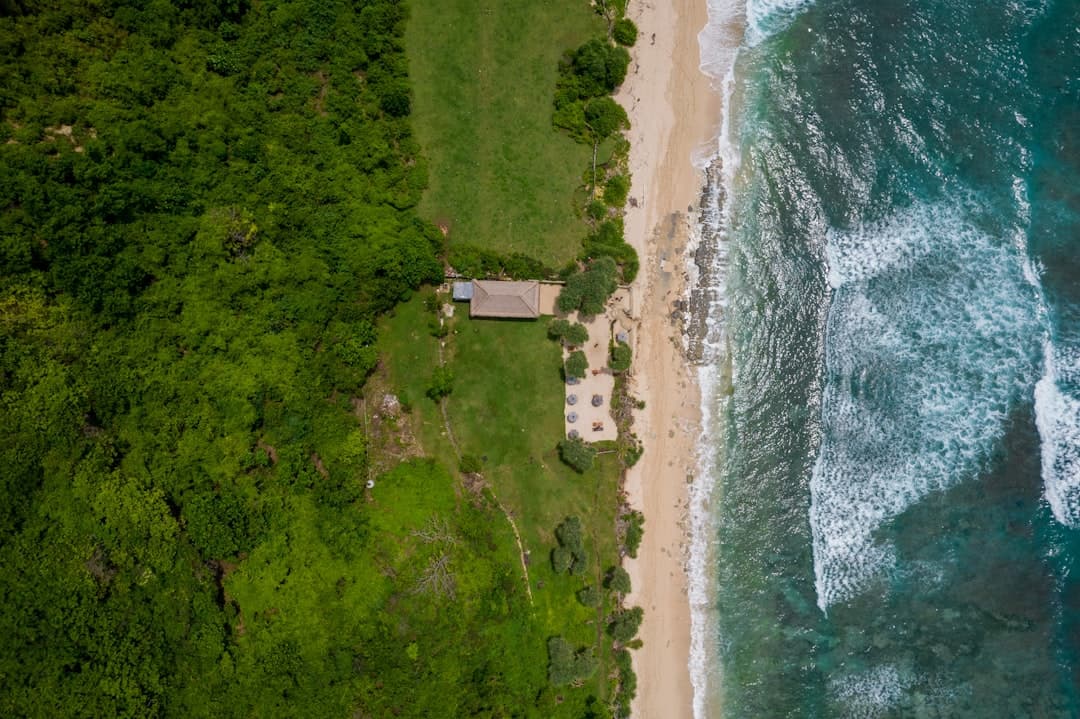
Canggu has transformed from sleepy rice fields into Bali's trendiest coastal village over the past decade. A magnet for digital nomads, surfers, and young travelers, it offers an infectious blend of laid-back beach vibes, world-class cafes, and a nightlife scene that rivals Seminyak without the pretension. The village maintains an eclectic character — you can find yourself meditating in a rice field in the morning and dancing at a rooftop bar at night. Canggu is as much about community and discovery as it is about tourism.
Surf Spots
Canggu's beaches offer consistent waves and a welcoming atmosphere for all skill levels, making it Bali's premier destination for learning to surf.
Batu Bolong Beach — Named after a large rock formation with a hole running through it, Batu Bolong is Canggu's most accessible and beginner-friendly break. The sandy bottom produces forgiving, rolling waves that are perfect for first-timers. Multiple surf schools operate directly on the beach, offering 2-hour lessons for beginners at affordable rates. The beach itself is wide, golden, and framed by cafes and warung — it's as much a social hub as a surf break. Even non-surfers enjoy watching the action and grabbing a coffee while soaking in the energy.
Echo Beach — Just north of Batu Bolong, Echo Beach has slightly more consistent swell and attracts intermediate surfers. The beach is less crowded than Batu Bolong and maintains more of a local vibe, though that has been changing. The break works on all tides and produces both left and right-handers. A handful of seaside warungs serve fresh fish and cold drinks.
Old Man's Beach — Named after the legendary local character who ran a small warung here for decades, Old Man's is a rite of passage for many Canggu visitors. The beach is narrow and rocky, but the sunset experience is legendary — the sun drops directly into the ocean while DJs spin electronic music from beachside bars. The vibe is social and energetic; expect crowds and a party atmosphere. Many travelers come for Old Man's as much for the people-watching as the sunset.
Tanah Lot Temple
Just 20 kilometers south of Canggu, Tanah Lot is Bali's most iconic temple and one of the most photographed locations in Indonesia. The temple sits on a large rocky outcrop rising from the sea, creating a fairy-tale silhouette especially at sunset. Dedicated to the sea gods, Tanah Lot has been a spiritual site for centuries and remains an active place of worship.
Visiting at sunset (arrive by 4:30 p.m. for best light) is the conventional tourist experience — the temple glows golden as the sun descends, and the rock is framed against a fiery sky. However, visiting at low tide and exploring the rock formation up close offers a different perspective. You can walk across the beach at low tide to the temple's base, enter the outer areas, and feel the raw power of the ocean around you. Local priests often perform ceremonies at the main temple shrine during morning hours, offering a more spiritual experience with fewer tourists.
The temple complex has expanded to include souvenir shops, restaurants, and cultural performances (traditional dance shows), which detract slightly from the sacred atmosphere but make it easier to spend several hours here. Entry is reasonable, and facilities are well-maintained.
Cafe Culture & Food
Canggu has one of Asia's most remarkable concentrations of world-class cafes, fusion restaurants, and experimental eateries. The food scene here genuinely punches above the weight of a beach village.
The Batu Bolong Strip — The main road paralleling Batu Bolong Beach is lined with cafes, restaurants, and juice bars. This is where Canggu's famous cafe culture originated. You'll find specialty coffee roasters serving single-origin Indonesian beans, acai bowls with elaborate toppings, and freshly pressed juices. The vibe is casual and communal — many cafes have long shared tables where travelers and expats naturally mingle. This is a prime digital nomad zone, with plenty of cafes offering strong wifi and all-day seating.
Beyond the beach strip, side streets hide authentic warungs serving nasi campur (mixed rice), satay, and other Balinese specialties at local prices (50,000-80,000 IDR for a full meal). The contrast between high-end fusion restaurants and humble warungs is part of Canggu's appeal.
Fine dining options like Sarong and Sayan House offer modern Indonesian cuisine and international fare in upscale settings. Many restaurants focus on fresh, local ingredients and employ Balinese cooking techniques with contemporary presentation.
Rice Field Walks
The Pererenan Rice Fields are Canggu's greatest natural asset. Just a 10-minute walk from the beach, you can stand in the middle of terraced rice paddies with panoramic views, watching farmers work the water and listening to birds call above. Sunrise and early morning visits are most magical — the light is soft, mist rises from the paddies, and you're more likely to encounter local farmers than tourists.
Several cafe operators have set up Instagram-friendly "rice field cafes" where you can have breakfast overlooking the paddies. While charming, these have become crowded at peak hours. For a more authentic experience, rent a scooter or bicycle and explore the smaller field roads independently. You'll discover family-run compounds, water temples, and traditional balinese daily life that tourists rarely see.
Cycling through the rice fields early in the morning is a popular guided activity offered by many hotels — the rides usually combine the paddies with village exploration and end with breakfast at a local cafe.
Day Trips from Canggu
Canggu's location is ideal for exploring different regions of Bali.
Ubud (1.5-2 hours) — The cultural heart of Bali offers art galleries, traditional dance performances, the Tegallalang Rice Terraces, and craft markets. A common itinerary is a full-day private driver trip from Canggu to Ubud, with stops at temples and villages along the way.
Tanah Lot (20 minutes) — As mentioned, one of Bali's must-see temples, easily managed as a half-day trip.
Uluwatu (45 minutes) — Bali's southwestern clifftop destination with hidden beaches, world-class surf, and sunset temple ceremonies. Many travelers combine Canggu and Uluwatu as a 2-3 day sequence.
Tegallalang Rice Terraces (1 hour) — More extensive than the Pererenan paddies, Tegallalang offers multi-level terraces, swing activities, and more infrastructure for visitors.
Most day trips are best done with a private driver, as public transport is time-consuming and limiting. Expect to pay 500,000-800,000 IDR (US$33-53) for a full-day driver.
Nightlife
Canggu's nightlife is surprisingly sophisticated for a beach village, with venues ranging from beach bars to nightclubs.
Old Man's and Beachfront Bars — As sunset transitions to evening, Old Man's and surrounding beachfront venues transform into lively social hubs. Live DJs spin electronic and reggae, cocktails flow, and the crowd is a mix of tourists, expats, and young Balinese locals. The atmosphere is energetic and social.
La Brisa — A beachfront bar and restaurant known for strong cocktails and a relaxed vibe. The sunset views here are second only to Old Man's, and the evening energy is more laid-back than party-focused.
Rooftop and Nightclubs — Canggu has several multi-story venues with rooftop bars and nightclubs that attract larger crowds, especially weekends. These are more upscale than beach bars, with dress codes and cover charges sometimes enforced.
The nightlife crowd is predominantly young (20s-30s) with lots of travelers, digital nomads, and expats. The language is primarily English, making it easy for international visitors to integrate. Most venues don't get busy until 9 p.m., and nightlife can extend well past midnight, especially on weekends.
Practical Tips
Traffic in Canggu can be heavy, especially along the main road during rush hours. Renting a scooter gives flexibility for beach exploration, but consider a private driver if you're not comfortable riding. Canggu is compact enough that you can walk to most cafes and restaurants within the beach area, but distances expand quickly once you move inland.
Book accommodations in advance during peak season (July-August, December). Budget options are abundant, but quality mid-range and upscale hotels fill quickly. The village has ATMs, pharmacies, and all basic services. Internet is generally reliable, making it a genuine base for remote workers.