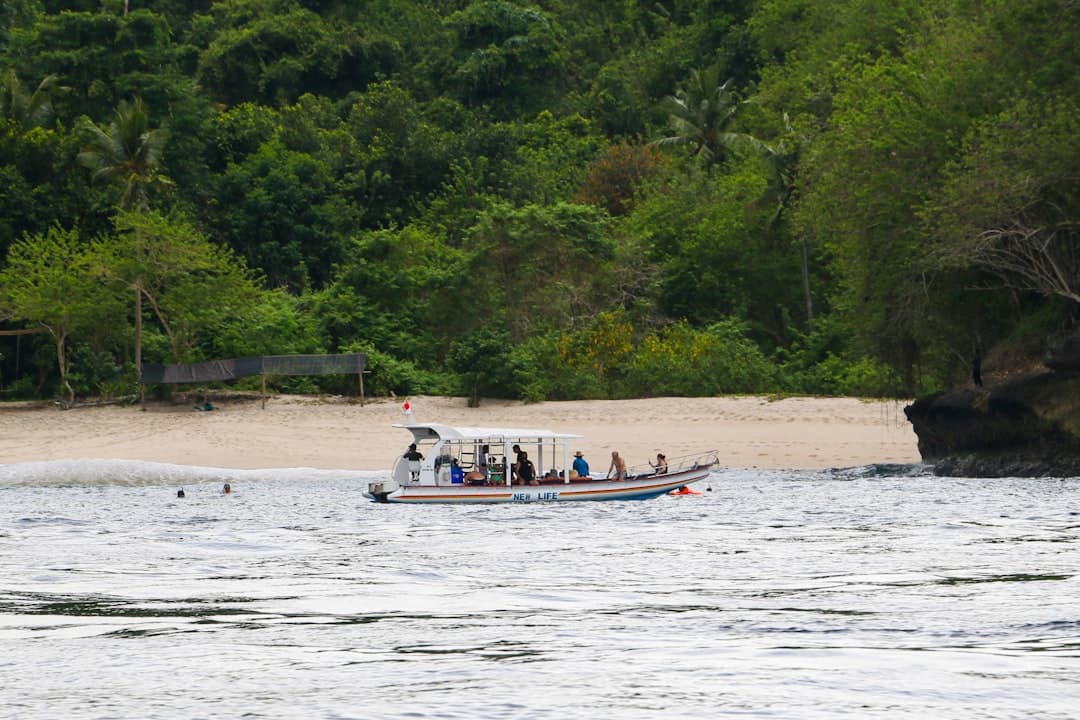
Amed is a string of fishing villages strung along Bali's northeast coast, known for spectacular snorkeling, world-class diving, and unbeatable sunrise views over Mount Agung and the Lombok Strait. This remote stretch of coastline remains refreshingly undeveloped compared to the southern beach resorts — here, traditional black-hulled jukung fishing boats still line the black sand beaches, local fishermen haul their nets in as dawn breaks, and the pace of life follows the ocean rather than the tourist calendar. Amed offers water-based adventure combined with genuine cultural immersion — you're as likely to encounter local fishermen as fellow divers.
USS Liberty Shipwreck
The USS Liberty is the crown jewel of Amed diving and one of the world's most accessible wreck dives. The ship, a 120-meter US cargo vessel, sank during the second World War after being attacked off Lombok. It now rests at a depth of 5-12 meters just 30 meters from the shore at nearby Tulamben, making it accessible to both snorkelers and divers.
For Divers — The wreck is perfect for intermediate divers exploring their first large-scale wreck. The structure is intact enough to navigate interior compartments (with proper training), and the penetration is relatively straightforward. The wreck is covered in coral growth, and the area teems with fish life — jacks school around the structure, trevally cruise overhead, and occasional sea turtles move through the water. Multiple dive operators in Amed offer certified wreck dives (typically 2 tanks, roughly 3.5-4 hours) for 700,000-1,000,000 IDR (US$47-67).
For Snorkelers — Since much of the wreck reaches shallow water (5-7 meters), excellent snorkeling is possible directly above the main structure. The top of the wreck is covered in hard and soft corals, and the marine life is visible from the surface. Snorkel trips are offered by local operators and are significantly less expensive (200,000-400,000 IDR / US$13-27 for a 2-3 hour excursion). Even non-swimmers can see portions of the wreck from the beach in shallow water.
The wreck is incredibly photogenic, especially in the golden light of early morning. Underwater visibility is typically excellent (20-30 meters+) during the April-November season. Local dive shops in Amed are operated by experienced, safety-conscious instructors who know the site intimately.
Coral Gardens & Dive Sites
Beyond the USS Liberty, Amed's reefs offer outstanding dive and snorkel experiences. The east coast's sheltered position means calm water and excellent conditions even during seasons when the south coast has larger swells.
Japanese Shipwreck — A smaller World War II-era wreck in deeper water (25-40 meters), this site is typically visited as a full dive and not suitable for casual snorkeling. The wreck is atmospheric but requires experience and proper training. The site is covered in growth and marine life, with occasional larger pelagic fish passing through.
Pyramid — A natural reef formation (not a structure) that rises from the sea floor as a pointed formation, attracting schools of jacks, trevally, and barracuda. The area around Pyramid is excellent for fish-watching and macro photography. Depth ranges from 5-30 meters depending on which part of the reef you're exploring.
Coral Garden — A series of coral-covered reefs parallel to the shore with depths starting at 5-8 meters, making them perfect for snorkeling and shallow diving. The area is rich with small fish, reef sharks (harmless blacktips), and colorful hard and soft corals. This is one of the most accessible sites and excellent for beginners or casual snorkelers.
Amed Reef — Directly in front of many of the Amed village guesthouses, a house reef system that can be accessed directly from shore. This is perfect for early morning snorkeling before breakfast or evening dives during the "golden hour" near sunset. The reef has good fish life and is less visited than the dedicated dive sites.
Sunrise & Fishing Villages
Amed's east-facing coast produces some of Bali's most dramatic sunrises. Mount Agung (Bali's highest volcano, 3,142 meters) rises to the northwest, and as the sun climbs above the Lombok Strait, the mountain is backlit in shades of pink and gold. This is especially spectacular in the dry season (May-September) when atmospheric moisture is lower and the light is clear.
Wake before dawn, settle on the black sand beach with coffee from your guesthouse, and watch the traditional fishing fleet head out for the day. The fishermen launch their jukung boats — traditionally carved wooden boats with brightly painted hulls — using a combination of muscle and expertise. As they disappear into deeper water, the light on the mountain gradually shifts from grey to pink to gold. The entire experience takes roughly 1-2 hours from pre-dawn darkness to full daylight.
The fishing villages themselves are worth exploring. Walk the beach road early in the morning and you'll encounter fish markets, traditional drying racks for seafood, and local life unfolding without regard to tourists. Fishermen repair nets, women sort the morning catch, and children head to school. Stop at a warung for coffee or breakfast and engage with locals — English is limited but a smile and genuine interest in their daily lives opens doors.
Salt Farming
An unusual but fascinating aspect of the Amed coast is traditional salt farming. In areas with shallow, gently sloping beaches, local farmers create salt ponds by flooding shallow areas with seawater, allowing it to evaporate in the tropical sun, and then harvesting the crystallized salt. The practice is centuries old and continues in pockets along the coast.
The salt ponds create a patchwork pattern visible from the road and are photogenic in early morning light when dew still clings to the salt crystals. Local salt farmers are welcoming to visitors curious about the process — you can observe the different stages of salt production and learn about the seasonal timing and physical labor involved. Salt farming is labor-intensive and provides income for families who have practiced it for generations. Supporting local salt producers by purchasing directly (small bags cost 20,000-40,000 IDR / US$1.50-2.50) helps sustain the tradition.
Combining with East Bali
Amed is typically visited as part of a multi-day east Bali itinerary that includes several complementary destinations.
Sidemen — A traditional weaving village in the hills inland from Amed, roughly 1.5 hours away by car. Sidemen is known for ikat weaving (a traditional dyeing and weaving technique) and offers a cool climate, quiet atmosphere, and authentic craft culture. Many travelers spend a night in Sidemen to experience the village and watch weavers at work.
Tirta Gangga — The "Water of the Ganges," a historical water palace with ornamental pools and gardens built by the Balinese king in 1946. Located about 30 minutes south of Amed, Tirta Gangga is a peaceful, culturally significant stop combining natural springs, Balinese architecture, and a small restaurant overlooking the gardens. The entry fee is reasonable, and the site is less crowded than southern Bali temples.
Suggested 3-4 Day East Bali Route —
- Day 1: Drive from south Bali to Sidemen (3-4 hours), explore weaving villages, stay overnight
- Day 2: Drive to Amed (1.5 hours), afternoon snorkeling or dive at house reef, settle in
- Day 3: Full day diving or snorkeling (USS Liberty, coral gardens), sunrise viewing
- Day 4: Visit Tirta Gangga on the return drive to south Bali, or extend with additional days exploring Amed's reefs
Where to Stay & Eat
Amed's accommodations range from simple guesthouses (200,000-400,000 IDR / US$13-27 per night) to mid-range beachfront resorts (600,000-1,200,000 IDR / US$40-80). Most guesthouses are family-run and include basic breakfast. The village doesn't have the infrastructure of southern beach towns — there are no nightclubs, international restaurants, or shopping malls — but that's precisely the appeal. It's a quiet place for divers, snorkelers, and travelers seeking authenticity.
Seafood Warungs — The best dining is fresh seafood at local warungs (small restaurants) directly overlooking the beach. Order fish by the kilogram, request it grilled, and it will arrive within 30-45 minutes, cooked perfectly and accompanied by rice, sambal, and fresh vegetables. A full meal for two typically costs 150,000-250,000 IDR (US$10-17). These warungs are casual, communal spaces where divers, fishermen, and locals eat side by side.
Cooking Your Catch — Some accommodations will cook fish you purchase fresh from the fishermen or at the market, making for memorable meals. This requires asking ahead and building a relationship with your hosts, but many guesthouses embrace this.
Amed is 2.5-3 hours by car from Bali's airport (depending on traffic). We recommend arranging a private driver for the journey, who can share knowledge about the region and navigate the winding coast road. The drive is scenic, descending through rice fields and tropical forest to reach the coast. This is a destination for travelers seeking underwater adventure, genuine cultural experience, and relief from Bali's tourist masses — it rewards those willing to venture beyond the south coast circuit.