巴厘岛街头美食指南 — 吃什么、去哪找
巴厘岛最佳街头美食当地指南——从椰浆饭和烤乳猪到沙爹利利和拉瓦。去哪吃、点什么、花多少钱。
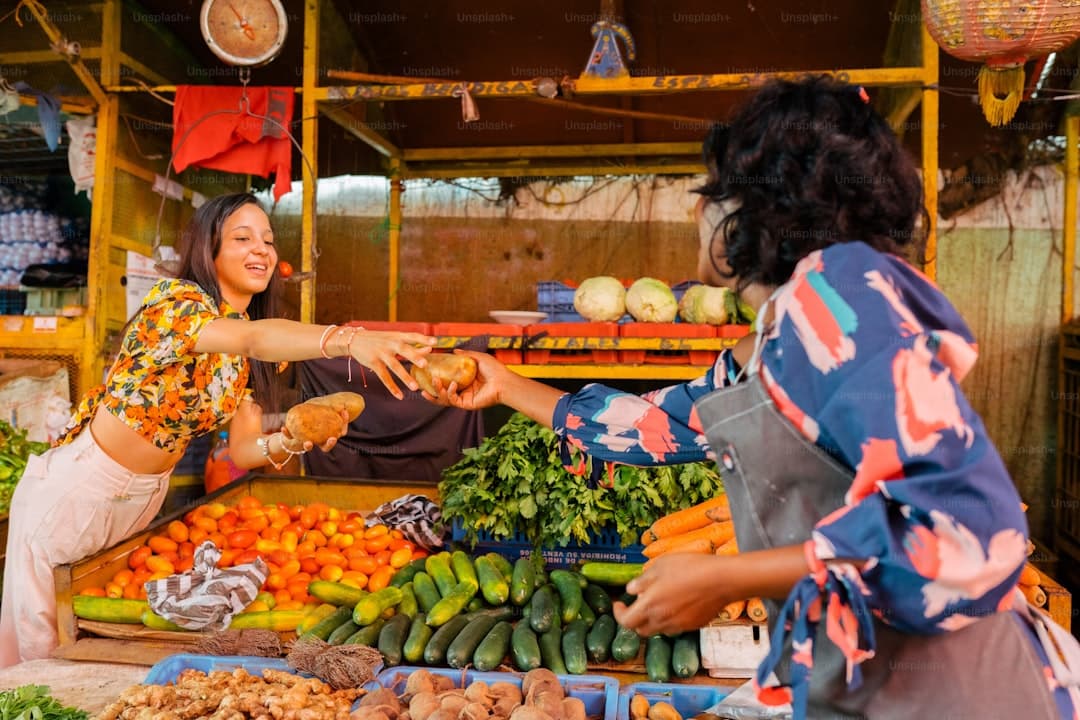
巴厘岛的街头美食是造访这座岛屿最令人兴奋的理由之一。别去那些价格翻十倍的游客餐厅了——巴厘岛真正的风味藏在当地人每天光顾的瓦隆(warung)、夜市和路边摊里。
作为一位多年来带领旅行者探索真实巴厘岛的导游,美食之旅是我最喜欢带客人体验的行程之一,包括我们的巴厘岛烹饪课程和街头美食体验。如果你想全面了解巴厘岛的饮食文化——包括各类瓦隆餐厅——请参阅我们的完整巴厘岛美食指南。这里是关于街头美食你需要知道的一切。
Nasi Campur(杂烩饭)— 巴厘岛的必吃之选
Nasi campur(杂烩饭)是你在巴厘岛最常吃到的一道菜。每家瓦隆都有自己的版本:一座白米饭小山,周围环绕着蔬菜、辣椒酱(sambal)、花生、鸡蛋、天贝和你选择的蛋白质配菜。
杂烩饭的魅力在于每一盘都不一样。每家瓦隆都有自己世代相传的家族食谱。一盘的价格在15,000到35,000印尼盾之间(大约1到2.5美元)。
去哪吃: 任何一家当地瓦隆——但门口停的摩托车越多的通常越好吃。
Babi Guling(烤乳猪)— 巴厘岛的招牌名菜
Babi guling(烤乳猪)是巴厘岛的标志性美食,也是每位游客都应该尝试的佳肴。整只猪塞入由姜黄、香菜、香茅和辣椒混合而成的香料糊,然后在椰壳上慢烤数小时,直到猪皮酥脆到不可思议。
传统上在宗教仪式和寺庙节日时供应,如今在岛上的专业瓦隆中每天都能品尝到。一盘烤乳猪配有酥脆猪皮、嫩滑猪肉、拉瓦(lawar,一种香料蔬菜椰丝拌菜)、血肠和米饭。
去哪吃: 乌布和Gianyar是烤乳猪的发源地。最好的摊位一大早就开门,中午前就会卖光。
Sate Lilit(巴厘岛碎肉沙嗲)
与东南亚各地常见的串烧沙嗲不同,sate lilit是巴厘岛独有的。碎鱼肉或鸡肉与椰丝、柠檬叶、香茅和红葱混合,然后裹在香茅茎或竹签上,用椰壳炭火烤制。
香茅茎为肉注入一种微妙的柑橘香气,这是其他方式无法实现的。从路边推车到高级餐厅,到处都能找到sate lilit,但最好的版本来自小型家庭瓦隆。
价格: 一份5到8串大约10,000到20,000印尼盾。
Lawar — 神圣的配菜
Lawar是一道传统的巴厘岛菜肴,由细切蔬菜、磨碎的椰丝和碎肉混合而成,再加上香料调味,传统版本中有时还会加入新鲜的猪血。它被视为神圣的食物,几乎在每一场巴厘岛宗教仪式上都会制作。
Lawar的种类有几十种——绿色lawar用嫩菠萝蜜和长豆角,红色lawar加了猪血,白色lawar则用椰丝和鸡肉制成。每个家庭都有自己的独门食谱。
Nasi Goreng和Mie Goreng — 印尼的家常美味
Nasi goreng(炒饭)和mie goreng(炒面)是你在巴厘岛随处可见的印尼主食。甜酱油(kecap manis)赋予了两道菜独特的深色外观和微甜咸鲜的味道。
一份好的nasi goreng上面会配一个煎蛋、虾片(kerupuk)和腌菜。街头摊贩在猛火翻炒的大铁锅中烹制,一份售价15,000到25,000印尼盾。
Bakso — 印尼牛肉丸汤
巴厘岛到处都有bakso推车——你通常先听到声音才看到人,因为摊贩推着车穿过街道时会敲响标志性的铃铛。这道汤很简单:清汤中放着弹牙的牛肉丸或鸡肉丸,配上面条、炸馄饨,再淋上大量的辣椒酱。
一碗售价10,000到15,000印尼盾,是两餐之间的完美零食。
Martabak — 甜咸煎饼
Martabak有两种形式:martabak manis(甜味)和martabak telur(咸味)。甜味版是一个厚实蓬松的煎饼,内馅有巧克力、花生、芝士或炼乳。咸味版则是酥脆的煎饼,里面塞满鸡蛋、碎肉和葱。
夜市是找martabak最好的地方。看着摊贩在大平底铁板上制作——这个过程本身就令人着迷。
Jajan Pasar — 传统市场小食
巴厘岛的清晨市场(pasar pagi)里满是jajan——用米粉、椰丝、椰糖和班兰叶制成的色彩缤纷的传统糕点和小食。每一个只要1,000到3,000印尼盾。
寻找这些特色小食:klepon(绿色糯米球,内含液态椰糖)、dadar gulung(绿色薄饼卷,包着甜椰丝馅)和jaja laklak(小巧的班兰煎饼,上面撒着椰丝和椰糖)。
素食和纯素街头美食
许多游客感到惊喜的是,巴厘岛的街头美食其实非常素食友好。与许多地方的饮食不同,巴厘岛因文化和宗教的影响,有着悠久的素食传统。在这里点素食,你永远不会觉得自己像二等食客。
Gado-gado 是最受欢迎的素食街头美食之一——一碗丰盛的焯水蔬菜(卷心菜、豆芽、四季豆、菠菜)、炸豆腐、土豆和水煮蛋,全部淋上由花生碎、大蒜、辣椒和罗望子制成的浓郁花生酱。它分量十足、价格实惠(15,000到25,000印尼盾),在几乎每家瓦隆和夜市都能找到。
天贝(Tempeh) 是一种发酵豆饼,比豆腐更便宜、更紧实,也更有风味。街边摊贩将它炸至边缘酥脆,然后配上辣椒酱和米饭,作为杂烩饭的一部分。你还可以在夜市找到串在竹签上的炸天贝——这是一种真正美味的小食,连肉食爱好者都应该尝试。
Sayur urap 是一道简单的沙拉,由焯水蔬菜(通常是卷心菜、菠菜和四季豆)拌上磨碎的椰丝、青柠汁、大蒜和红葱的调味料制成。它始终是素食的,出现在杂烩饭中、瓦隆自助餐上和市场摊位里。口味清新爽口,分量充足,不到10,000印尼盾就能吃得很好。
Tahu goreng(炸豆腐)和 tahu kuah(豆腐汤)是每家瓦隆的常备菜。炸豆腐压实后油炸至金黄,配上辣椒酱食用;豆腐汤则是更清淡的选择,豆腐块浸在清爽的蔬菜或蘑菇汤中。
Cap cai 是一道印尼式的炒蔬菜——包括卷心菜、胡萝卜、四季豆、蘑菇和菜花,用大蒜、生姜和酱油调味。街头摊贩用大铁锅现炒现做,配上米饭大约20,000印尼盾。这是瓦隆价格的餐厅品质美食。
在巴厘岛做素食者吃得好的关键是点菜时不要加虾酱(terasi),它是巴厘岛许多菜肴的调味基础。大多数街头摊贩和瓦隆都习惯了这个要求,会很乐意做出调整——只需说"tanpa terasi"(不加虾酱)即可。
各地区街头美食推荐
巴厘岛最佳的街头美食体验取决于你住在哪里。不同地区有不同的特色和氛围,以下是我的全岛美食寻觅指南。
乌布(Ubud) 是巴厘岛的文化中心,也是街头美食之都。乌布市场(当地人的pasar pagi区域,不是游客手工艺品市场)日出时分开门,挤满了供应杂烩饭、牛肉丸汤和时令菜肴的瓦隆。乌布皇宫周围环绕着为上班族提供午餐的小瓦隆——价格极低,翻台率高,意味着一切都很新鲜。想深入了解这个区域,请参阅我们的乌布游玩指南。
长谷(Canggu) 近年来变化很大,但如果你知道去哪找,仍然能发现绝佳的街头美食。跳过主要的游客街区,走进住宅区的小巷,你会找到夜市摊位和为当地人服务的小型家庭经营餐馆。长谷东侧稻田附近的瓦隆游客更少,性价比也更高。关于这个区域的更多推荐,请参阅我们的长谷游玩指南。
水明漾(Seminyak) 的瓦隆整体更精致,但以游客标准来看价格仍然合理。你能找到装修更讲究、更符合西方审美的瓦隆,菜品和乌布一样。这里的夜市规模较小但仍值得一逛,一份杂烩饭或牛肉丸汤大约20,000到30,000印尼盾。
锡德门(Sidemen) 位于巴厘岛东部,是你体验原汁原味乡村巴厘岛的地方。这里的瓦隆很朴素——塑料桌椅、没有游客——食物由同一个家庭世代烹制。这里的价格是全岛最低的,因为没有旅游溢价。如果你想体验典型游客路线之外的巴厘岛,请参阅我们的锡德门游玩指南。
在不同地区寻找街头美食,最好配一位了解当地特色的包车司机,他能带你远离游客陷阱,直奔地道好味。
街头美食安全贴士
巴厘岛的街头美食总体上是安全的,只要遵循一些基本的注意事项。关键是要理解巴厘岛的食品安全标准与西方国家有所不同,游客担心的问题往往与真正导致身体不适的原因不同。
去人多的摊位吃。 判断食物是否安全最靠谱的指标就是翻台率。如果一个摊位在饭点时挤满了当地人,说明食材消耗快、菜品是现做的。避免那些在烈日下或灯下放了好几个小时的食物——在热带气候中这确实是个隐患。
观察制作过程。 大多数街头美食都是在你面前现做现卖的。这其实是一个安全优势——你能看到食物的原料和制作方式。
只喝瓶装水。 不要喝自来水、路边摊饮品中的冰块,或来源不明的水。坚持喝密封的瓶装水,既便宜又随处可买。
相信你的直觉。 你的肠胃可能需要一两天来适应新的香料和陌生的微生物——这是正常的,不代表食物中毒。如果你的肠胃比较敏感,可以从温和的菜品开始,再逐步尝试辛辣的摊位。
了解风险。 巴厘岛街头美食的风险水平与泰国、墨西哥或印度的街头美食类似。每天有数百万人享用而毫无问题。如果你感到不安,可以选择看起来卫生条件良好的瓦隆,但不要因为恐惧而错过真正美味的体验。
街头美食预算
在巴厘岛吃街头美食最棒的一点就是极其实惠。一顿正餐的花费可能只相当于你在西方城市喝一杯咖啡的价格。
每日街头美食预算: 如果你只在路边摊和夜市吃,预计每天花费60,000到100,000印尼盾(4到6.5美元)。这涵盖了早餐(传统糕点和咖啡)、午餐(杂烩饭或牛肉丸汤)、零食(martabak或es campur)和晚餐(再来一份瓦隆餐)。
中等每日预算: 如果你混合街头美食和小型家庭瓦隆以及当地rumah makan(食堂),预算150,000到180,000印尼盾(10到12美元)。这让你有余裕品尝烤乳猪、新鲜海鲜和更高品质的sate lilit等特色菜。
实际每日总花费: 大多数旅行者混合街头美食和休闲瓦隆,每天食物花费100,000到150,000印尼盾(6.5到10美元)。如果每周想去几次正式餐厅,再加30,000到50,000印尼盾。
关于食物费用的完整分析以及街头美食在整体旅行预算中的比重,请参阅我们的详细巴厘岛旅行费用指南。
饮品与饮料
巴厘岛的街头美食体验少不了配饮料。你会在几乎每个摊位找到清爽的传统饮品。
Es campur(杂果冰)是巴厘岛最受欢迎的饮品——刨冰加上炼乳、椰糖糖浆,配上班兰果冻、凉粉或小粒西米等各种配料。在炎热天气中非常清爽,一杯只要5,000到10,000印尼盾。街头摊贩现做现卖,炎热午后喝上一杯简直是纯粹的幸福。
Es kelapa muda(嫩椰汁冰)是一个削去顶部的嫩椰子,插上吸管,有时加入刨冰和椰糖。你可以喝到新鲜的椰子水,还能吃到里面柔软的白色椰肉。比es campur稍贵,一个10,000到15,000印尼盾,但这是至少值得尝试一次的正宗巴厘岛饮品。
Jamu 是一种传统的巴厘岛草药饮品,由各种草本植物的根、茎和叶子制成,据信具有药用功效。不同的jamu声称有不同的功效——姜黄jamu促进消化、生姜jamu暖身等。味道质朴浓郁,通常略带苦味。街头摊贩从推车或小摊位售卖jamu,一杯5,000到8,000印尼盾。即使你对其保健功效持怀疑态度,也值得为文化体验尝试一下。
Kopi tubruk 是浓郁的、不过滤的巴厘岛咖啡,做法是将热水直接倒在杯中的咖啡粉上,等待沉淀后小心饮用(咖啡渣会沉到杯底)。一杯5,000到8,000印尼盾,味道比过滤咖啡浓烈得多。这就是当地人喝咖啡的方式。
Teh tarik(拉茶)是一种将热茶在两个金属杯之间反复倾倒而制成的泡沫奶茶,口感绵密顺滑。味道甜美宜人,在瓦隆摊位和小茶摊有售,一杯8,000到12,000印尼盾。它是早餐或下午茶的绝佳搭配。
让你的美食探险更进一步
既然你已经知道吃什么、去哪找,下一步就是好好体验。街头美食不仅仅是吃——它关乎理解文化、了解制作者以及每道菜背后的故事。
我们的导览之旅包含以美食为主题的行程,我们会带你去那些游客永远找不到的瓦隆和市场。我们会讲解每道菜的文化意义、介绍你认识摊贩,确保你理解巴厘岛美食的独特之处。如果你想更深入体验,我们的巴厘岛烹饪课程会教你亲手制作这些菜肴。
正在规划一次以美食为主题的巴厘岛之旅?我们可以为你打造一份定制行程,涵盖所有最佳街头美食场景,结合其他必看景点如巴厘岛最美瀑布或乌鲁瓦图游玩推荐,并安排包车司机让你专注于美食,无需担心交通和导航。
今天就联系我们,开始规划你的巴厘岛美食探险吧。
Related Guides
<!-- internal-link-sweep:2026-04-29 -->