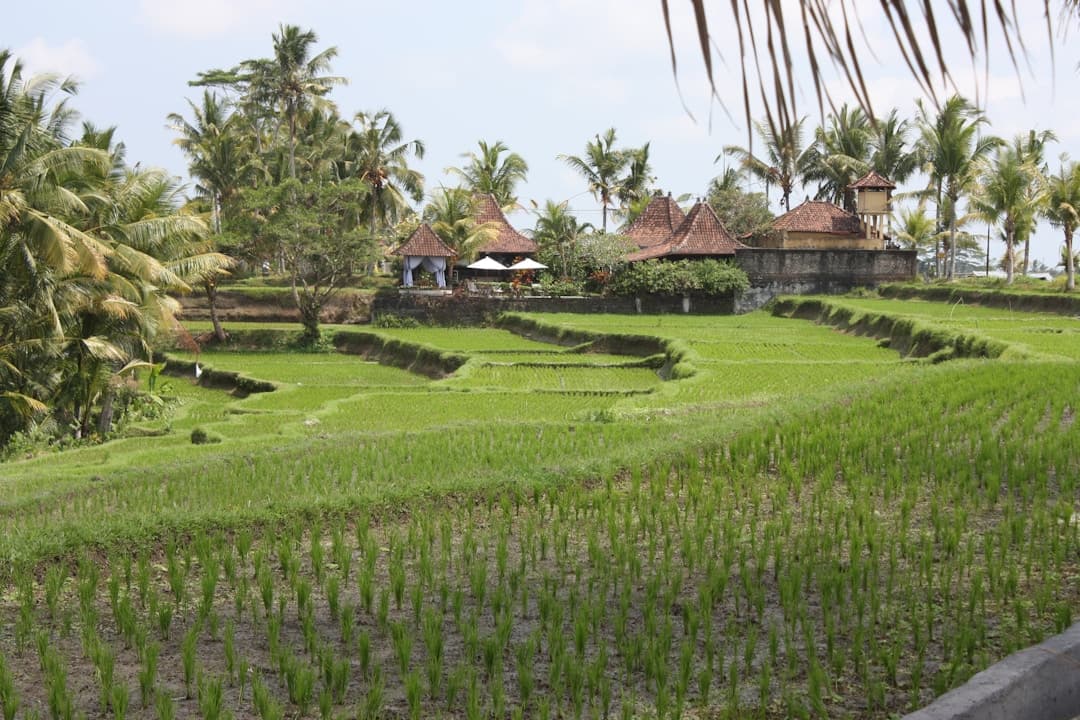
Quick answer: Ubud is Bali's cultural heart, located in the central highlands surrounded by rice terraces and river valleys. Top attractions include Tegallalang Rice Terraces, Sacred Monkey Forest, Tirta Empul Temple, and traditional Legong dance performances. Best visited April–October (dry season). Stay 3–4 days to experience temples, art galleries, jungle hiking, and the Campuhan Ridge sunrise walk. Ubud is 1.5 hours from the airport by private driver.
Nestled among terraced rice paddies and steep ravines in the central highlands, Ubud is the cultural and artistic soul of Bali. Far more than a tourist checkpoint, this vibrant highland town draws travelers and pilgrims seeking a genuine connection with Balinese traditions — from the craftsmanship of master wood carvers and textile artisans to the hypnotic sway of Legong dancers performing sacred stories. The town pulses with creative energy: painters, sculptors, and musicians call Ubud home, while thousands of visitors arrive each week to study yoga, meditation, and traditional healing practices. Whether you're here for three days or three weeks, Ubud reveals itself slowly, rewarding curiosity with moments of profound cultural intimacy.
Tegallalang Rice Terraces
The Tegallalang rice terraces are perhaps Bali's most recognizable landscape — a breathtaking cascade of emerald-green paddies carved into steep hillsides like a giant staircase. What makes Tegallalang special isn't just its beauty; it's the ancient irrigation system that sustains it. The subak is a UNESCO-recognized water management system that has coordinated rice farming across Bali for over a thousand years. Farmers share water from mountain springs through an ingenious network of channels, coordinating plantings and harvests communally. Visiting during the growing season (November to April) shows the terraces at their most vivid green; harvest time (May to October) transforms them into golden waves.
Most visitors arrive mid-morning when tour buses pack the main viewpoints. Go at sunrise or late afternoon for solitude and better light for photography. The viewing platform near Tegallalang village offers the classic postcard shot, but wandering the adjacent paths lets you walk down into the paddies themselves and interact with farmers. If you're staying nearby, a sunrise walk through the terraces reveals mist rising from the valleys and local farmers beginning their daily work. Bring water and wear sturdy shoes — paths can be muddy and steep.
Sacred Monkey Forest Sanctuary
The Sacred Monkey Forest (Ubud Monkey Forest) shelters over 700 long-tailed macaques in a lush sanctuary of ancient temples, massive trees, and moss-covered stone carvings. Unlike a zoo, this is a semi-wild habitat where monkeys roam freely — you're walking through their home. The sanctuary encompasses three ancient temples: the central prayer hall where monkeys sometimes congregate during ceremonies, and two atmospheric shrines at higher elevations surrounded by towering banyan trees and jungle.
The experience is immersive and occasionally chaotic. Monkeys swing overhead, screech from branches, and interact with visitors with both curiosity and mischief. Keep your bag zipped, sunglasses secure, and food hidden — monkeys are intelligent and opportunistic. The forest itself is the real draw: the canopy creates a cathedral-like atmosphere, and the stone temples covered in lichen and carved detail transport you centuries back. The northernmost temple, perched high above a river valley, offers quiet reflection away from the main crowds. Plan 90 minutes to two hours; early morning (before 8 AM) is notably quieter and cooler.
Temples and Spirituality
Ubud offers several significant temples beyond the Monkey Forest, each with its own spiritual character. Tirta Empul (a short drive north) is one of Bali's holiest sites, built around natural spring water believed to have purifying and healing properties. Visitors wade into cool pools lined with stone channels where the spring water flows, performing ritual bathing alongside Balinese devotees. It's a surreal and moving experience — the combination of sacred reverence, natural beauty, and communal worship in the pools creates a palpable spiritual energy.
Goa Gajah (Elephant Cave), just west of Ubud's center, dates back to the 11th century and features an entrance carved into a massive rock face with a gaping mouth and elaborate stone details. Inside, carved reliefs and a narrow passage lead to a temple chamber. The site exudes age and mystery; locals believe the cave was used for meditation and spiritual purification. Gunung Kawi, on the east side of Ubud, consists of 11 ancient royal tombs carved directly into a steep rock cliff face overlooking emerald rice paddies. Reaching them requires descending 300+ steps into a lush river valley — the effort is rewarded by the dramatic landscape and the sense of walking through Balinese history.
Ubud Art and Dance
Ubud's creative scene is world-class. The Royal Palace hosts nightly Legong dance performances — this classical Balinese dance form is hypnotic, with intricate finger movements and expressive eyes conveying sacred stories without words. Performances run 45 minutes and are intimate enough to truly observe the dancers' artistry.
The Puri Lukisan Museum focuses on traditional and modern Balinese painting, with works spanning centuries. The Neka Museum is more expansive, with a permanent collection of contemporary and classical Balinese art alongside visiting exhibitions. ARMA (Agung Rai Museum of Art) is perhaps the most polished, featuring both Balinese masters and international artists in a beautifully landscaped setting. Beyond museums, Ubud's streets are lined with galleries, many representing local artists directly. The art market (Ubud Art Market) offers textiles, carvings, paintings, and sculptures from affordable to high-end. Several galleries and cooperatives offer batik and woodcarving workshops if you want to try your hand at these traditions.
Campuhan Ridge Walk
One of Ubud's most rewarding free activities is the Campuhan Ridge Walk, a scenic hiking trail that crosses a ridge between two river valleys north of town. The walk takes about 1.5 hours round-trip and rewards early risers with sunrise views and mist rising from the jungle below. The path is gentle, passing through rice paddies and small villages. It can be crowded at peak hours, but arriving before 7 AM grants you a sense of solitude. The endpoint is a small cafe where you can rest before returning.
Adventure Activities
Beyond walks and temples, Ubud offers genuine adventure. Ayung River rafting takes you through jungle canyons past waterfalls and wildlife — thrilling without being extreme, suitable for most fitness levels. Cycling tours through villages and rice paddies provide an intimate view of rural life; many tours include stops at temples, waterfalls, or organic farms. For the adrenaline-seeking, jungle swings strung between trees offer a playful (if touristy) way to experience the forest canopy and valley views.
Where to Eat
Ubud's food scene spans warungs (family-run local eateries) serving cheap, authentic Balinese dishes to high-end cafes and restaurants catering to wellness retreats. The Ubud market area has countless warungs offering nasi campur (mixed rice with sides), satay, and local specialties for pocket change. The Penestanan area, north of the main town, is beloved by expats and digital nomads, with numerous cafes, smoothie bowls, and vegetarian restaurants. The Tegallalang region near the rice terraces has become a dining destination, with cafes and restaurants offering sweeping paddy views. For fine dining, Ubud's restaurant scene has matured significantly, with Indonesian and international chefs opening sophisticated venues. Many restaurants source ingredients from local organic farmers and suppliers.
Where to Stay
Penestanan is a village north of the main Ubud center, quieter and more residential while walking distance to restaurants and shops. It's ideal if you want peace without isolation. Keliki, further north, offers a more authentic village experience with beautiful rice paddies, fewer tourists, and direct access to the Campuhan Ridge Walk. Tegallalang, near the famous rice terraces, puts you at the source of Ubud's most iconic landscape; staying here means sunrise paddies just steps from your accommodation. The Ubud town center is walkable but can feel crowded; most travelers prefer staying in these surrounding villages for a better balance of access and tranquility.
Getting Around Ubud
Ubud's town center is compact and walkable — most restaurants, shops, and galleries are within 15 minutes on foot. However, attractions like the Monkey Forest, rice terraces, and temples are spread across a wider area. Renting a scooter is an option if you're confident; taxis are available but often don't use meters. We strongly recommend arranging a private driver — he or she will navigate Ubud's narrow roads with ease, offer local insights, and pick you up directly from your accommodation. This is especially valuable for early-morning activities or visiting multiple sites in a day. Drivers can be arranged through your hotel or through Ohana Agency for a personalized itinerary with a guide who speaks French or Mandarin.