Nusa Penida is Bali's wild, untamed neighbor — an island where dramatic limestone cliffs rise from impossibly turquoise water, hidden coves shelter pristine beaches, and the surrounding seas rank among Indonesia's best dive sites. Just a 45-minute fast boat from Sanur, Nusa Penida feels like stepping back in time to a Bali that existed decades ago. With fewer tourists than the mainland and landscapes that shift from lush inland villages to spectacular coastal viewpoints, every corner offers something unexpected. Whether you're seeking the iconic T-Rex cliff of Kelingking Beach, the thrill of swimming in a natural infinity pool, or the rare privilege of diving alongside Mola Mola in the global crosshairs of marine biodiversity, Nusa Penida delivers experiences that justify its reputation as one of Bali's crown jewels.
Kelingking Beach: The Island's Most Famous Landmark
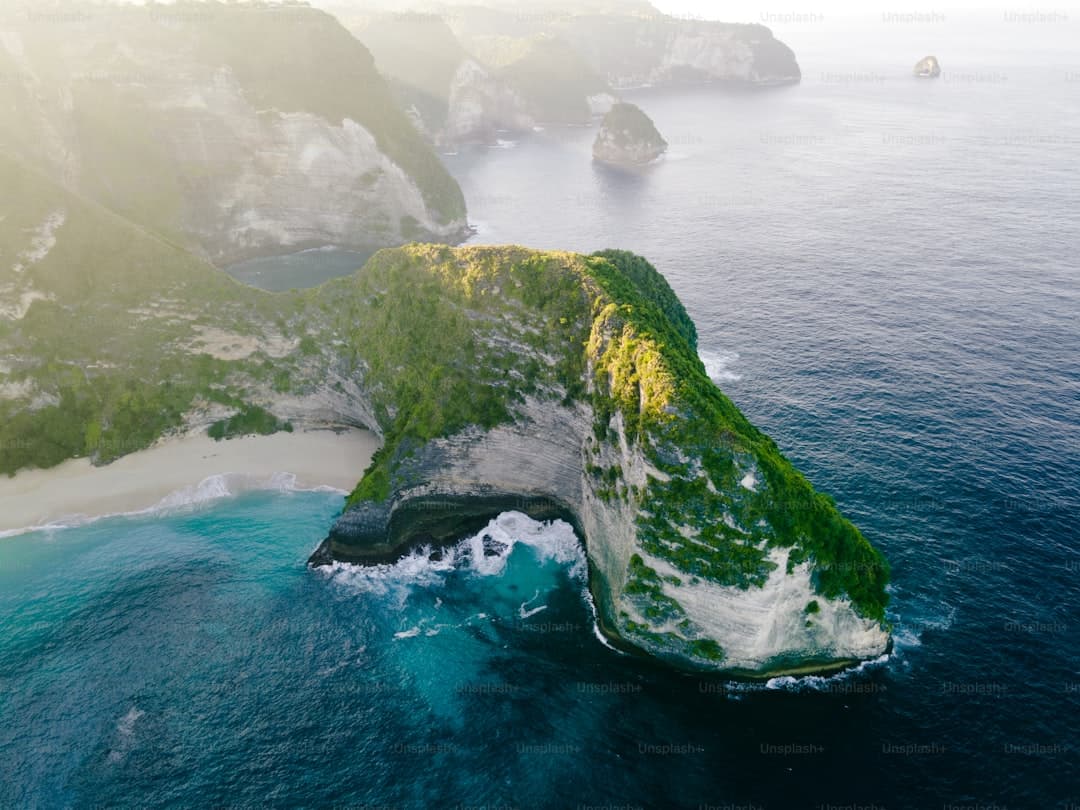
Kelingking Beach is Nusa Penida's signature attraction, and the reason is immediately obvious. From the clifftop viewpoint, a massive dinosaur-shaped rock formation towers above the turquoise water below — locals call it "T-Rex Bay," and the resemblance is uncanny. The cliff itself stands roughly 70 meters high, with the rock formation creating a dramatic profile that makes this one of Indonesia's most photographed locations.
Most visitors come to photograph the view from above, and the cliff-edge vantage points offer spectacular angles, especially in golden-hour light. However, a rough staircase (often described as "challenging") descends the cliff to the beach itself. The 500+ steps are steep, carved into rock, and lack railings; descending takes 20-30 minutes depending on fitness and caution. The beach at the bottom is small but pristine, with soft sand and clear water that's suitable for swimming on calm days. Be aware: this descent is not for everyone, and the climb back up is considerably harder than the descent. Wear proper footwear with good grip, bring plenty of water, and allow ample time.
The best time to visit is early morning (arriving by 7-8am) to beat crowds and capture the clearest light and calmest water. If you're coming for photography and don't want to descend, the clifftop view is equally rewarding.
Angel's Billabong and Broken Beach
On Nusa Penida's northwest coast lies a pair of natural wonders that exemplify the island's geology. Angel's Billabong is a natural infinity pool carved into the rock, filled with seawater that shifts between brilliant turquoise and deeper blue depending on light and tide. The pool is shallow and warm, perfect for swimming and photography. The rock formation creates a theatrical frame, and swimming here feels like floating inside a painting.
Immediately adjacent is Broken Beach, a dramatic rock arch rising from the sea. The natural tunnel was carved by centuries of wave action and creates a stunning backdrop, especially when waves surge through. Between the two sites, the landscape is otherworldly — white sand, turquoise water, and towering rock formations.
Critical tip: Both sites are tide-dependent. At high tide, Angel's Billabong can become rough and unsafe for swimming as waves wash over the pool's edges. Always check tidal forecasts before visiting, and plan your visit for low to mid tide. The sites are also prone to sudden wave surges, so keep your distance from the edge and never turn your back to the sea.
Diamond Beach and Atuh Beach: The East Coast
While the west coast draws most visitors, Nusa Penida's east coast offers equally dramatic scenery with fewer crowds. Diamond Beach, named for the sparkling quartz sand that catches sunlight like gems, requires descending a steep metal staircase (roughly 300+ steps) to reach a small, pristine cove backed by towering cliffs. The sand is soft and pale, the water clear and usually calm. This is a quieter alternative to Kelingking, ideal if you want to avoid crowds.
Atuh Beach, further east, is even more remote. The descent is longer and rougher — a combination of stairs and steep footpaths that can be slippery after rain. The reward is a longer stretch of sand, turquoise water, and an authentic sense of isolation. Bring plenty of water and allow at least 45 minutes for the descent and climb.
Both east-coast beaches are best visited on calmer days (typically during dry season). The exposed coastline can face sizeable swells, and rough seas make these sites dangerous.
Snorkeling and Diving: Marine Encounters
The waters surrounding Nusa Penida are among Bali's premier snorkeling and diving destinations, protected as a marine reserve and home to remarkable biodiversity. Manta Point, on the island's northeast coast, is famous for encounters with giant manta rays. Between April and November (peak season), mantas are drawn to the area by strong currents that concentrate plankton, their primary food source. Many snorkeling trips report sightings on 70-80% of dives during this window — not guaranteed, but remarkably consistent. Swimming alongside a manta ray, with its wing-like fins gracefully gliding through water, is an unforgettable experience.
Crystal Bay, on the south coast, is famous for another rare encounter: the Mola Mola or oceanic sunfish. These enormous, odd-looking fish (which can weigh up to 2 tons) migrate to deeper waters around Nusa Penida, typically from July to October. They're drawn by currents rich in jellyfish and small fish that form their diet. Diving Crystal Bay during Mola season offers a chance to encounter these otherworldly creatures in their natural habitat.
The reef conditions around the island are generally healthy, with strong current action that brings nutrient-rich water but requires moderate to advanced diving skills. Even snorkeling can involve noticeable current, so snorkeling trips are typically limited to calm-current days and recommended only for confident swimmers.
West Coast vs East Coast Routes
Most day trips follow one of two main itineraries. The west coast route focuses on Kelingking Beach, Angel's Billabong, Broken Beach, and sometimes Manta Point snorkeling. This covers the island's most famous landmarks and is the most commonly booked option. The west coast is more sheltered and accessible.
The east coast route emphasizes Diamond Beach, Atuh Beach, Tree House viewpoint, and sometimes Manta Point. This route appeals to travelers seeking fewer crowds and a more remote island feel. East-coast sites are further from the port and less visited.
Many full-day tours combine both routes, stopping at 4-5 sites, which requires an early start and fast transitions. An overnight stay gives you the luxury of choosing one coast without feeling rushed.
How to Get There: Boat Transfer from Sanur
The standard route is a fast boat from Sanur (Bali's east coast), a 45-minute crossing. Boats typically depart around 8am and return around 4-5pm for day trips. The crossing is usually smooth, but bring motion sickness medication if prone to seasickness, especially during rougher months (Dec-Feb). The return journey may feel choppier if afternoon winds have picked up.
Book your boat through a reputable operator or as part of a guided tour. Some hotels and travel agents in Bali can arrange transfers. A private speedboat costs more but offers flexibility; shared snorkeling boats are more economical and come with guides.
What to bring: sunscreen (high SPF, reef-safe), hat, towel, swimsuit, water, light snacks, and cash for tips or food purchases on the island. Avoid bringing excess luggage — boat space is limited.
Day Trip vs Overnight Stay
A day trip works well if you're short on time or want to fit Nusa Penida into a Bali itinerary. You'll see the major landmarks and possibly snorkel or dive. However, the pace is rushed: 45 minutes boat each way, combined with site visits, means you're always moving.
An overnight stay transforms the experience. You can watch the sunset from Kelingking or Tree House, explore the island on foot at your own pace, try local warungs, meet villagers, and experience the island's quieter character after day-trippers depart. The island has basic but comfortable guesthouses and homestays. An overnight visit also gives flexibility to plan activities around tide and weather rather than a fixed day-trip schedule.
Recommendation: If you have the time, stay overnight. You'll swim in calmer water, see the island in different light, and genuinely understand why Nusa Penida captivates visitors.
Getting Around the Island: Roads and Local Drivers
Nusa Penida's interior is rough. Roads are narrow, potholed, and steep — some are essentially boulder-strewn dirt tracks. A standard car is not suitable; you need a 4WD vehicle or a motorbike with experienced riding skills. Additionally, many viewpoints and beaches are accessed via steep, narrow paths that foreign visitors unfamiliar with local roads often find stressful to navigate alone.
This is where a local driver matters tremendously. A driver familiar with Nusa Penida knows which roads are passable, where to park safely, the best times to visit each site (tide, crowds, light), and local tips about hazards (loose rocks, sudden drop-offs, water conditions). Hiring a private driver for the day (easily arranged through your guesthouse or a tour operator) costs far less than the peace of mind is worth and means you can focus on enjoying the scenery instead of concentrating on treacherous roads.
The island has no public transport in the conventional sense. Most visitors either book a guided tour (which includes driver and guide) or hire a private driver and go independently. Both options are readily available and affordable.